Comparing the Options Straightaway
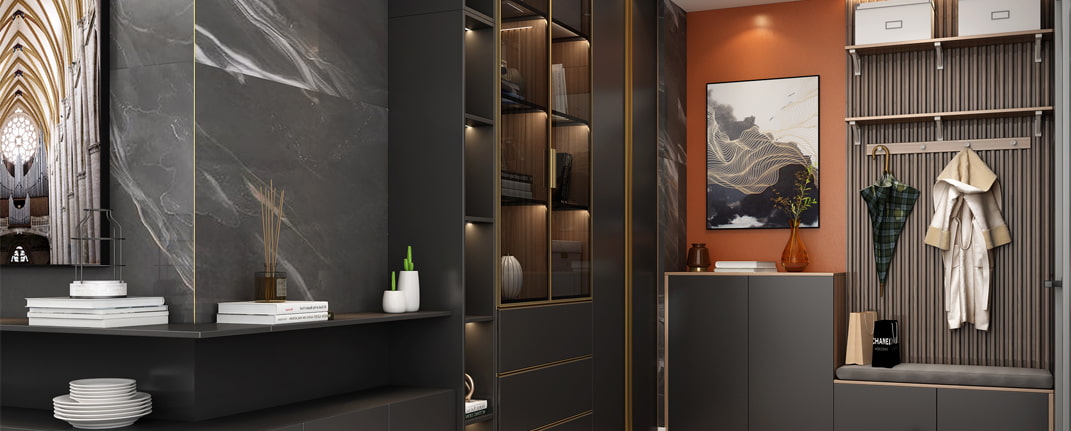
Folks building kitchens nowadays face a clear fork: buy local custom cabinets, pick big-box flat-pack goods, or import ready-to-assemble solid wood kitchen cabinets from an experienced Chinese manufacturer. I’ve measured all three on cost, lead time, and long-term fit, and the differences matter. For small contractors and renovators who need solid hardwood quality without long waits, the RTA route often wins on price and predictability.
What You Actually Get for Your Money
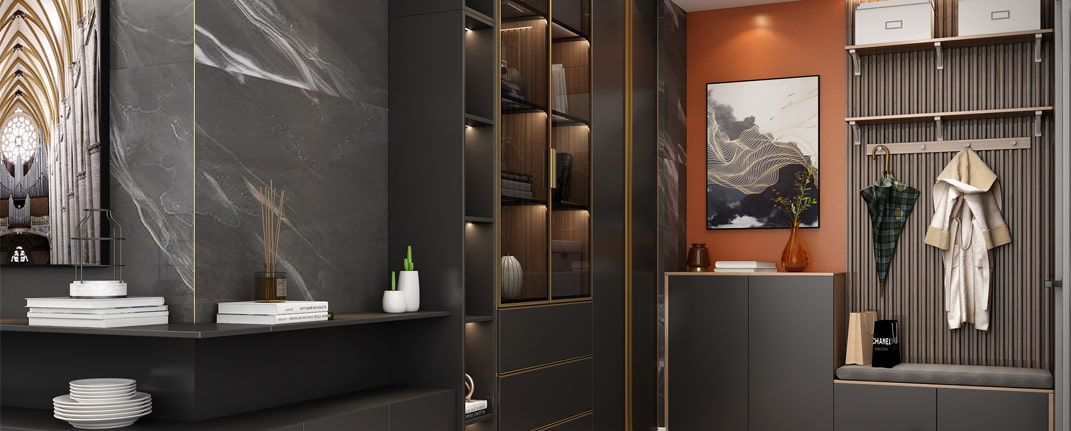
When you import RTA from a leading maker, you’re usually buying a finished cabinet carcass that arrives crated, with a finish coat and hardware ready to fit. Compared to a local joiner, the per-unit cost drops because of scale — mills run consistent dovetail joint and mortise-and-tenon production that keeps strength high and waste low. Compared to cheap mass-market brands, you can choose better plywood substrate and solid hardwood doors that hold up longer in farm kitchens and busy households.
Quality vs. Cost: Where the Tradeoffs Live
Quality’s not a single thing. It’s drawer behavior, door fit, finish uniformity, and how soft-close hardware keeps the kids quiet. Imported RTA often matches or beats local small shops on repeatable tolerances. You trade some on-the-spot customization for consistency and a shorter production calendar. For many builders, that’s the sensible swap — less fiddling on site, fewer surprises, more jobs finished on time.
Logistics, Lead Times, and a Little Field Experience
Shipping’s the sticky part. You’ll need a clear freight plan and allowance for customs. Last fall I helped a neighbor in Oklahoma set a solid wood kitchen pantry cabinet that came from abroad — it arrived in good shape because the supplier packed the pieces tight and labeled every panel. That prep saved us hours during installation. If you’re used to hauling raw lumber from town, this feels different; it’s more like putting together a durable puzzle with a good instruction sheet.
Customization, Standards, and the Real-World Anchor
Top Chinese mills now supply Shaker-style and modern profiles that fit New England homes and Midwestern farmhouses alike. They’ll tweak door profiles and drawer layouts if you order a minimum batch. This mirrors how traditional Shaker workshops in Massachusetts evolved — they focused on repeatable, honest construction and clean lines. Using that history as a guide helps you judge which maker is sincere about craftsmanship versus who’s just selling a look.
Common Mistakes Contractors Make — and How to Avoid Them
Buyers often skip a simple thing: request sample panels and a hardware mock-up. Don’t assume the photos match reality. Also, factor the cabinet carcass dimensions into shipping pallets early. A wrong depth means an extra day on site. Finally, confirm finish tolerances and any on-site touch-up kit the supplier provides — little chips happen in transit, and a spare finish coat saves a rushed repaint job.
Comparative Snapshot
– Local custom: best for one-offs, higher price, slower. – Big-box flat-pack: cheap, fast, lower finish quality. – Imported RTA from leading mill: best balance for repeat jobs, steady quality, and lower unit cost when buying sensible quantities.
Golden Rules for Choosing Imported RTA Cabinets
1) Check three references and ask for sample panels to vet finish and grain. 2) Verify hardware specifications — soft-close hinges, drawer slides, and any warranty terms — and get them in writing. 3) Calculate landed cost: product, freight, duties, and a small buffer for local touch-up. These are the yardsticks that keep projects honest.
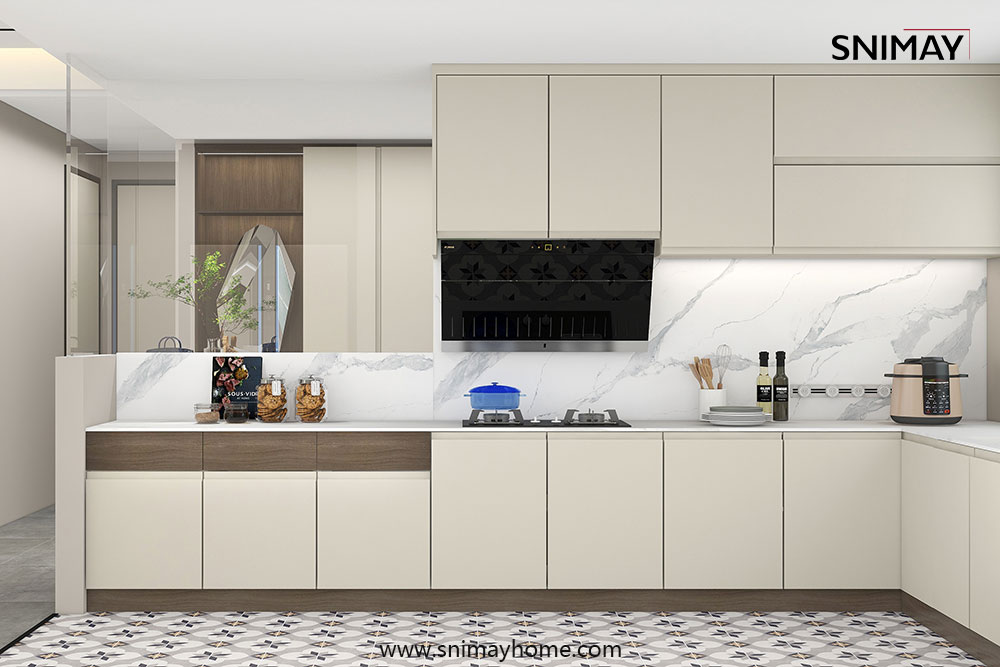
Bring those rules together and you’ll pick a path that pays off in fewer site delays and cabinets that age like they were built to last. solid wood kitchen pantry cabinet choices from reputable mills often fit that bill — practical, sturdy, and plain good value.
SNIMAY. —
