Why flexible LED matters to the customer experience
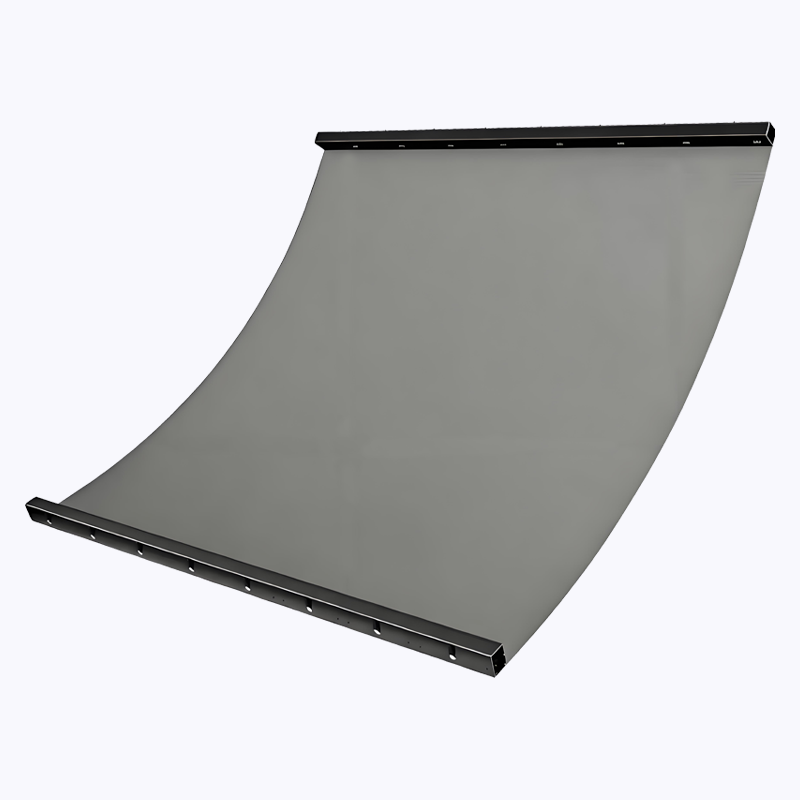
Retail success now rests on how well physical spaces respond to shoppers — not the other way around. Flexible LED panels let you shape signage around aisles, wrap columns, and create curved feature walls that guide attention without shouting. When you plan installs, consider content cadence, brightness and pixel pitch to maintain legibility from typical viewing distances. For a practical starting point, explore indoor led display options that pair slim cabinets with simple mounting systems, so you can prototype in high-traffic zones and iterate based on real shopper behavior.
Design choices that prioritize real shoppers
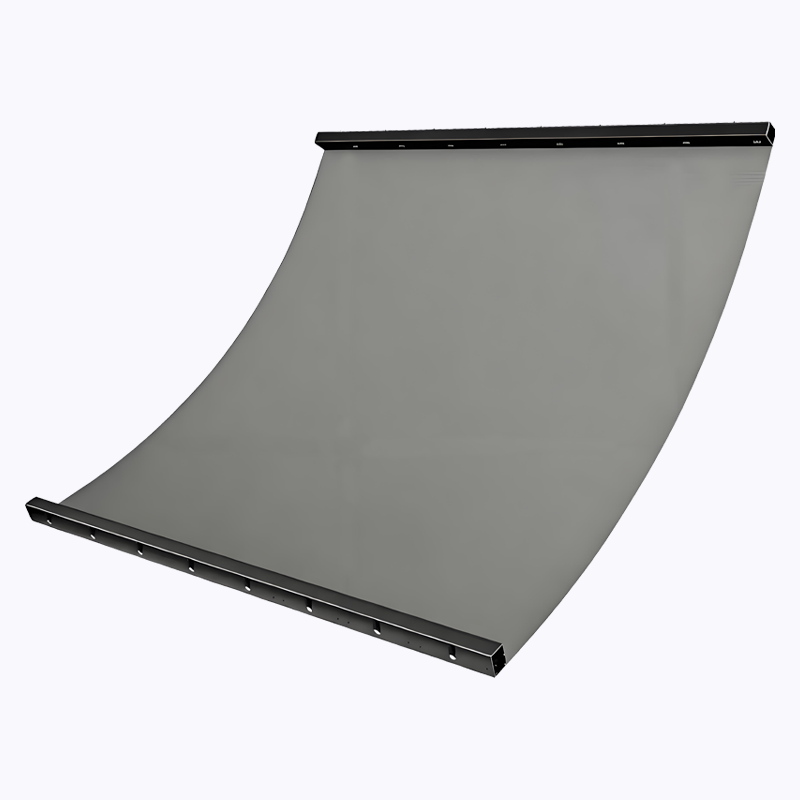
Design isn’t decoration; it’s a control system for attention. Pick a pixel pitch that matches your closest viewing distance — tighter pitch for interactive islands, wider for distant atriums. Match refresh rate to motion-heavy creative to avoid blur and maintain crisp motion. Opt for modular cabinets and lightweight modules so the store team can replace a panel quickly during off hours. Content should run in short, clear bursts — think short promos, dynamic pricing, and wayfinding snippets — because shoppers process information fast and move on.
Implementation tactics that work in stores
Start small and test. Place a curved display near a seasonal fixture and measure dwell time and conversion before expanding. Use standard control systems and a simple CMS so store managers can schedule shifts without asking IT for help. For durable deployment, check cooling paths, confirm power distribution per cabinet, and set brightness ceilings for evening hours to avoid visual fatigue. These operational checks reduce downtime and keep campaigns on schedule — which keeps staff confident and customers comfortable.
Common mistakes and their fixes
Many teams rush to a glossy design and ignore practical limits — over-bright panels in narrow aisles, or ultra-fine pixel pitch where shoppers stand far away. Fix these by mapping sight-lines and measuring typical distances. Another frequent error is choosing a proprietary control stack that locks content to a vendor; instead, demand open protocols and documented APIs so you can evolve content strategy without ripping out hardware. Finally, neglecting maintenance access turns small faults into long outages — design removable modules and clear service pathways from the start.
Real-world anchor: what Times Square and mall deployments teach us
Outdoor landmarks like New York’s Times Square show the attention power of large-format LED, while major retail centers demonstrate daily operational needs. In malls, screens must balance spectacle with wayfinding; in urban plazas, visibility at scale matters more. The pandemic era accelerated digital signage adoption in retail settings, pushing brands to combine timely messaging with safe crowd control. Lessons from these environments apply indoors: control brightness, tailor content length, and ensure easy servicing to keep displays effective day after day. These practical constraints push you toward solutions built for retail realities — including options branded as indoor advertising led display that focus on serviceability and consistent color calibration.
Three golden rules for choosing the right flexible LED system
1) Match resolution to viewing distance — pick pixel pitch so content remains readable at typical shopper positions. This directly impacts perceived quality and message clarity.
2) Prioritize serviceability metrics — mean time to repair (MTTR) and module swap procedures should be defined before purchase. Fast swaps keep campaigns live and staff morale high.
3) Verify operational parameters — confirm maximum brightness (cd/m²), expected power draw per cabinet, and supported refresh rate for video content. These figures determine lifetime costs and creative limitations.
Follow these three rules and you’ll select hardware that fits both creative goals and the realities of store operations. For many teams, that practical fit is exactly where Coblinks adds value — by offering configurable indoor modules, clear specs, and support that helps you scale without surprises. —
