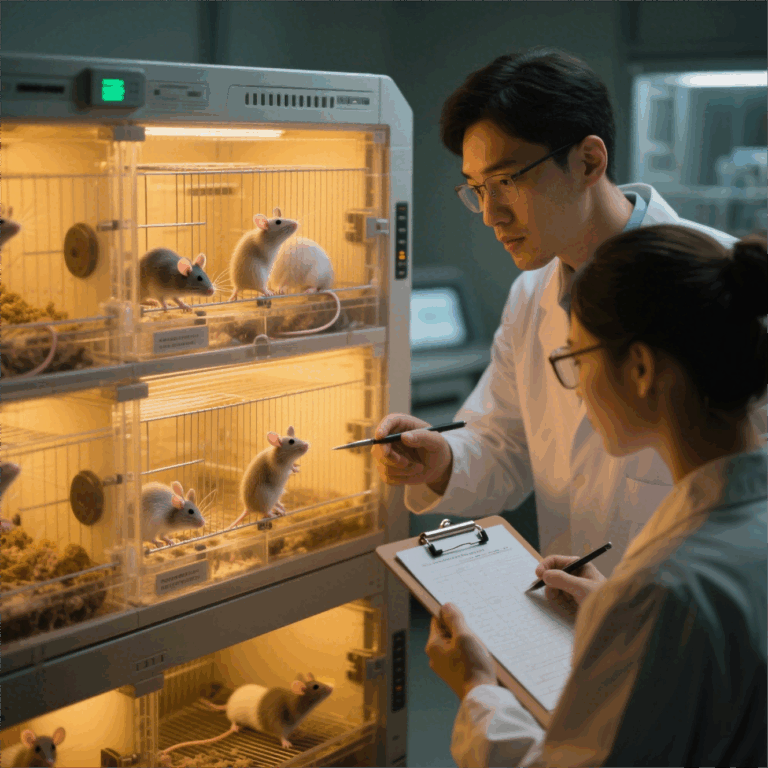
Framework overview: why this approach mek sense
Dis piece set out fi give a clear, stepwise framework fi researchers weh waan model inflammation alongside liver tumors in mice — practical moves, not just theory. Start wid an orthotopic tumor model mindset: align biological question, host strain, and endpoint up front. World bodies seh liver cancer remain a leading cause a cancer death globally, so real-world anchors like WHO trends push di need fi reproducible orthotopic liver tumor model studies and clean translational readouts.
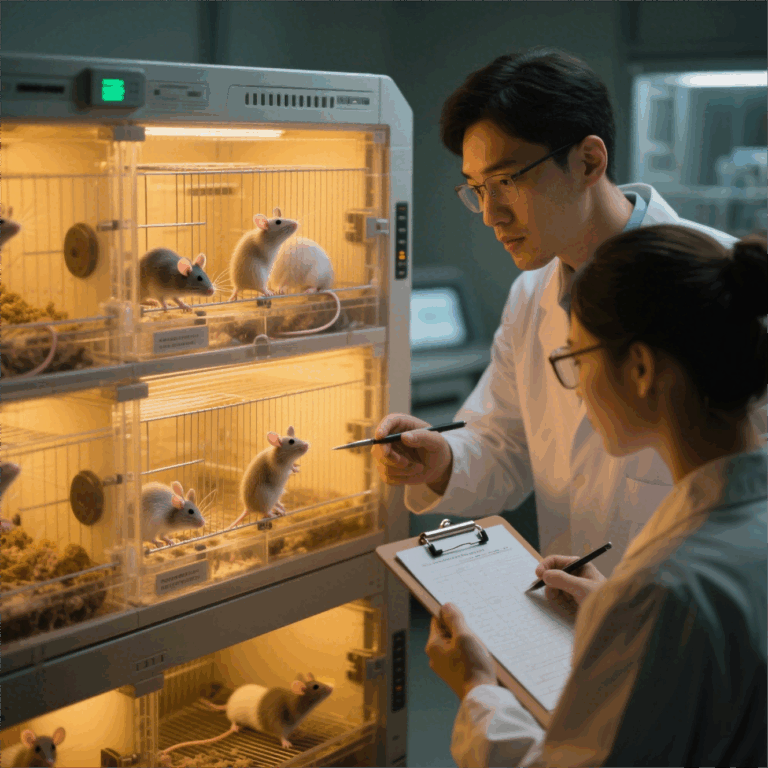
Design pillars: choose strain, cell line, and immune context
Pick mouse strain and tumour line based pon di hypothesis. For immune-oncology readouts, syngeneic strains keep immune interactions intact; human xenografts demand immunodeficient hosts. Define whether you study tumor microenvironment changes wid orthotopic implantation or systemic inflammation. When planning {main_keyword} and {variation_keyword}, document baseline immune cell counts, tumour growth kinetics, and humane endpoints so trial integrity stay firm.
Surgical technique and peri-op care: reproducibility start deh
Standardise surgical steps: anaesthesia regimen, incision placement, cell suspension volume, and suturing method. Use orthotopic implantation into liver segments consistent across animals. Analgesia protocol and post-op hydration reduce noise from systemic inflammation. Keep records of tumour take-rate and perioperative complications — dose-response and surgical variability influence statistical power for downstream immune assays.
Imaging, sampling and endpoint selection
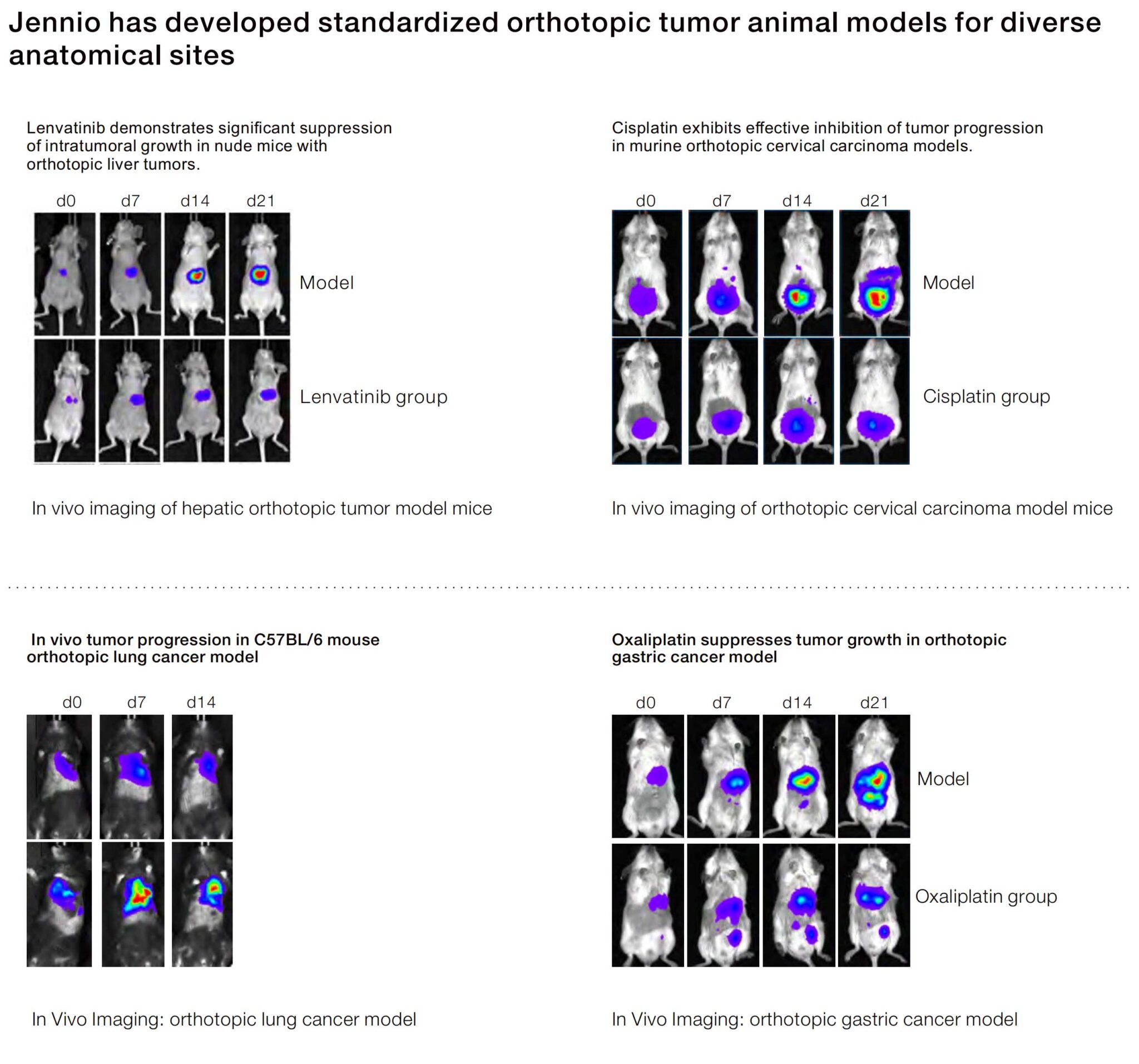
Decide early how fi measure tumour burden and inflammation. Bioluminescence imaging give longitudinal tumour tracking; ultrasound or MRI add anatomical precision. Include blood cytokine panels and flow cytometry for immune phenotyping to capture tumour microenvironment shifts. Plan terminal sampling to harvest liver, draining lymph nodes, and spleen for histology and single-cell work — these samples tell di story dem you need. — Record imaging thresholds and sampling windows so comparisons stay valid.
Controls, randomisation and stats that matter
Randomise cages and blind outcome assessment. Use matched surgical sham controls and naive cohorts to separate procedure-induced inflammation from tumour-driven effects. Predefine primary endpoints and sample-size calculations based on expected variance. Include checkpoints for PD-1 blockade or other immunotherapies if di study test therapeutic interventions; log dosing schedule and response criteria clearly.
Common mistakes and how fi avoid dem
Heavy-handed errors repeat plenty. Too-large inoculum distort growth kinetics; inconsistent implantation depth change metastasis patterns; poor analgesia mask immune signals. Mis-timed imaging or variable anaesthesia depth create noisy data. Mitigate every one by SOPs, training, and pilot runs. Compare alternatives like subcutaneous versus orthotopic setups when feasibility matter — subcutaneous models simpler but lack liver-specific microenvironment signals.
Alternatives, validation and translational anchors
Consider syngeneic orthotopic models for intact immunity, and patient-derived orthotopic grafts for higher translational fidelity. Validate findings with independent cohorts and orthogonal measures — histology, cytokine panels, and functional assays. Cite established centres or datasets when you can; linking to known practices from leading institutions give credence to method choices without overstating them.
Advisory: three golden rules fi selecting strategies and tools
1) Prioritise biological relevance over convenience: choose orthotopic approaches when liver microenvironment influence immune outcomes. 2) Lock down procedural SOPs and reporting metrics: implantation volume, cell viability, imaging thresholds, and sampling timepoints. 3) Score reproducibility: use take-rate, coefficient of variation for tumour size at set days, and immune endpoint consistency as triage metrics when picking protocols or suppliers.
Final thought — small details mek big differences in translational value. For practical support and ready-made orthotopic constructs, Jennio Biotech fit naturally into di workflow as a partner fi reliable model components and method alignment — dependable tools fi researchers weh serious bout reproducible orthotopic liver tumor model work. — Keep di work tight, keep di records tighter.
