How to make Fixed Multi Gas Detector comparisons more useful by defining assumptions technical review
For sourcing analysts, a fixed multi gas detector comparison is useful only when the assumptions behind it are visible. A product page may provide relevant specifications, but those specifications do not automatically answer every project question. The practical task is to define the requirement, identify the evidence that addresses it, and record the points that remain open for technical review.

Set criteria before comparing candidates
Start with a short comparison brief rather than a wide list of features. State the decision being supported, the intended system boundary, and the information required from each candidate. This prevents a broad catalogue description from being treated as though it answers a specific installation or integration question.
A useful brief can be organised into four fields:
- Requirement: what the project needs the equipment or interface to provide.
- Evidence: the exact specification, product statement, or document that addresses the requirement.
- Assumption: the interpretation being used where the requirement is not fully stated.
- Status: confirmed, partially addressed, or unresolved.
This structure keeps the comparison focused. It also makes it easier to distinguish a technical requirement from a preference, and a documented fact from an analyst’s working interpretation.
Review evidence by requirement
Read each candidate against the same questions. Do not compare isolated numbers without first confirming that they describe the same type of item, interface, or installation context. A specification can be relevant to one requirement while saying nothing about another.
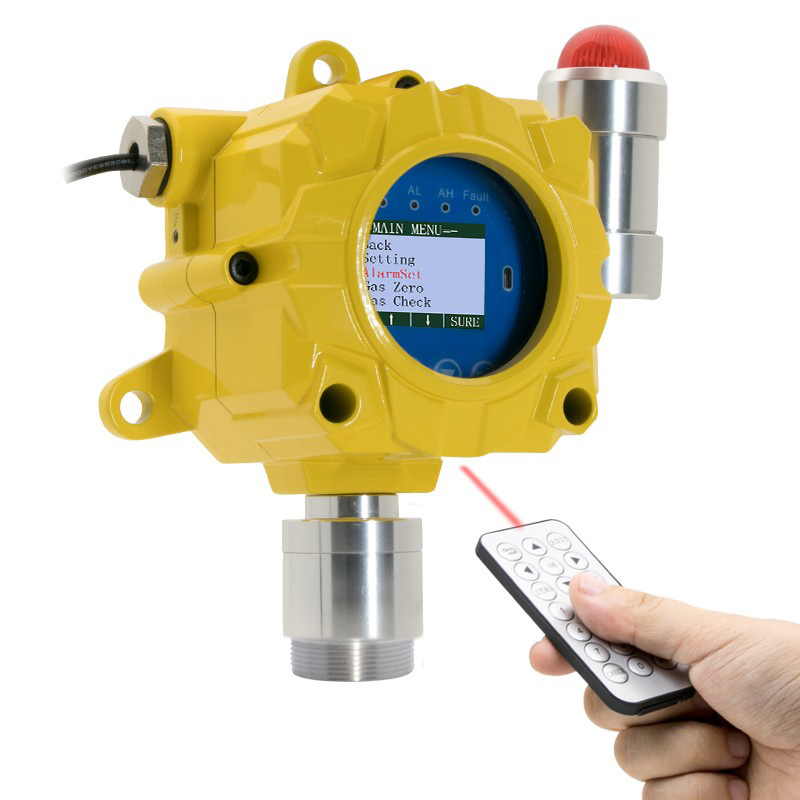
For example, the Bosean K-G60 page describes a fixed gas detector. Its specifications list 4–20 mA output, RS485 input, wall mounting, and IP66. This is a useful real-world anchor for a fixed multi gas detector review because it shows how a product page can supply concrete interface and enclosure information. The appropriate conclusion is limited to what the page states: these details can be recorded against corresponding requirements. They should not be extended into claims about certification, site suitability, safety outcomes, or other configuration details that the page does not establish.
Use an evidence table to preserve that boundary. One column can state the requirement, another can quote or summarise the applicable page evidence, and a third can explain the scope of the evidence. A final column should capture the decision impact. For instance, an interface specification may be relevant to system planning, while its presence alone does not establish how the wider system will be designed or operated.
Keep trade-offs visible
Technical comparisons become less useful when unresolved points are hidden behind a single overall score. A better approach is to show where each candidate is clearly documented, where the evidence is less specific, and where the decision depends on an assumption.
Separate “not stated” from “does not have”. The first describes the evidence available in the review. The second is a product claim and requires direct support. This distinction is important when comparing catalogue pages, because different suppliers may present different levels of detail.
It is also helpful to record the consequence of each open point without predicting an outcome. An unresolved interface question may affect integration planning. An unclear mounting detail may affect the design review. An unconfirmed environmental requirement may require further technical clarification. These are decision-management observations, not claims about product performance.
Keep trade-offs in the same record as the supporting evidence. If a candidate appears attractive because it has a stated interface or enclosure category, record that fact alongside the limits of the statement. This prevents a confirmed detail from being used as an unsupported summary of the whole product.
Create a repeatable decision record
At the end of the review, prepare a concise record that another reader can follow without reconstructing the entire search. Include the scope, date of review, requirements considered, evidence used, assumptions made, and unresolved questions. Link each conclusion to the relevant source internally, while keeping the written conclusion no broader than its evidence.
A repeatable record should also explain why a comparison was narrowed or why a candidate was carried forward for the next stage. Use neutral wording such as “documented for this requirement” or “requires technical clarification”. Avoid turning a preliminary screen into a final suitability judgement.
Before the record is issued, check five points: the same requirements were applied to each candidate; model-level information was not generalised; specifications were kept with their stated scope; assumptions were labelled; and open questions were not converted into facts. This final check improves the usefulness of the review without requiring unsupported conclusions.
A disciplined comparison does not need to claim more than the evidence allows. By defining assumptions, matching each requirement to applicable information, and keeping trade-offs visible, sourcing analysts can create a decision record that supports the next technical conversation. The Bosean page can serve as one documented source within that process, with its K-G60 details used only within their stated product scope.