What breaks first — and fast
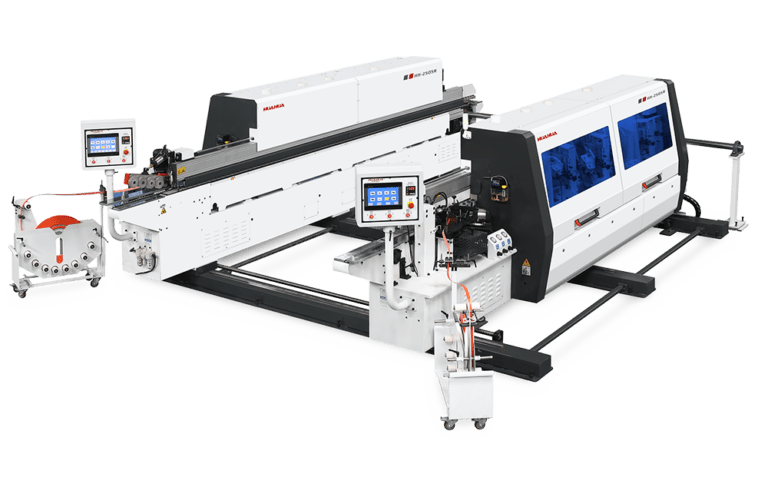
Small-to-mid furniture shops often buy a high-end panel saw and an automatic edge banding machine thinking production problems are solved. Reality: parts pile up between machines, setup time explodes, and the line never truly flows. The real bottlenecks are mismatched feed speed, inconsistent calibration and manual hand-offs that eat labor minutes. Fix those and you cut cycle time dramatically; ignore them and the machines just collect dust.

Where to start — practical fixes that work
First, match material handling to the edge bander’s throughput. Use consistent panel stacks, label grain direction, and standardize panel thickness so the trimming unit and glue pot aren’t playing catch-up. Second, automate the hand-off with simple conveyors or vacuum lifters so the panel saw doesn’t wait on operators. Add a basic PLC trigger between devices to sync feed speed — not fancy, just reliable.

Tech checklist for a clean integration
Keep this short and actionable: – Check glue system compatibility (hot-melt glue type and melt rate). – Verify trimming unit reach and edge profiles. – Confirm pneumatic clamp strength and placement for consistent hold. These three items reduce rejects and setup time. Don’t skip calibration routines after each shift — small offsets snowball into sanding work later.
Common mistakes shops make
They buy the flashiest edge bander without mapping the workflow. They expect an edge bander to fix poor saw alignment. They ignore operator seating and ergonomics — which matters because tired operators make mistakes. A note: shops in Guangdong’s furniture clusters report the most gains when they standardized jigs first, then layered in automation — that sequence matters.
How to choose the right woodworking edge banding machine
Pick a woodworking edge banding machine based on three things: cycle output (panels/hour), repeatable joint tolerance, and service network. Look for models with modular trimming units and accessible glue systems. Serviceability beats bells and whistles every time — you want parts and tech support within a workday, not a week. Also, confirm the machine’s learning curve fits your team; training time is a real cost.
On costs, staff, and real results
Budget for conveyors, a basic PLC, and minor shop layout changes — those usually deliver the best ROI. Expect initial tuning to take a week or two; after that, many shops report 15–30% reductions in manual handling time and fewer defects. – Those numbers come from shop-floor reports across regional manufacturers and a handful of cabinet makers who tracked cycle times before and after integration.
Operational teardown — a brief run-through
Walk the line like this: measure saw outfeed speed, inspect the edge bander’s glue pot temperature stability, then run a batch with full stops at each transfer point. Note where the operator steps in. Replace manual transfers with simple mechanical aids first; more complex robotics only after you’ve smoothed basic flow. Keep an eye on feed speed mismatches and clamp timing — that’s where tears and glue strings show up.
Three golden rules for picking tools and strategies
1) Throughput parity: Ensure panel saw capacity and edge bander panels/hour are within 10–20% so neither waits on the other. 2) Service proximity: Choose machines with local parts and a proven service record — downtime kills margins. 3) Operator-first setup: Make changes that reduce operator touches; ergonomic fixes often speed work more than software upgrades. Apply those and you’ll see measurable gains in quality and labor hours. Final thought: the right machines only shine when the workflow is tuned around them.
HUAHUA CNC fits into that flow by offering edge banding options designed for fast calibration and local service support — which is what regional shops actually need, not just specs on a sheet. –
