Opening: The supplier headache, plain and sharp
You dey try put up a digital display and the supplier wahala don start before you sign contract — price quotes that shift, specs that no balance with site reality, after-sales wey disappear. For brands and venues looking for honest clarity, the main fight is matching real need to real capability. If your project is an arena screen, a retail wall, or a meeting-room panel, start by eyeballing the actual product type — for example whether you need an indoor led display rated for constant use or something that runs few hours every day.
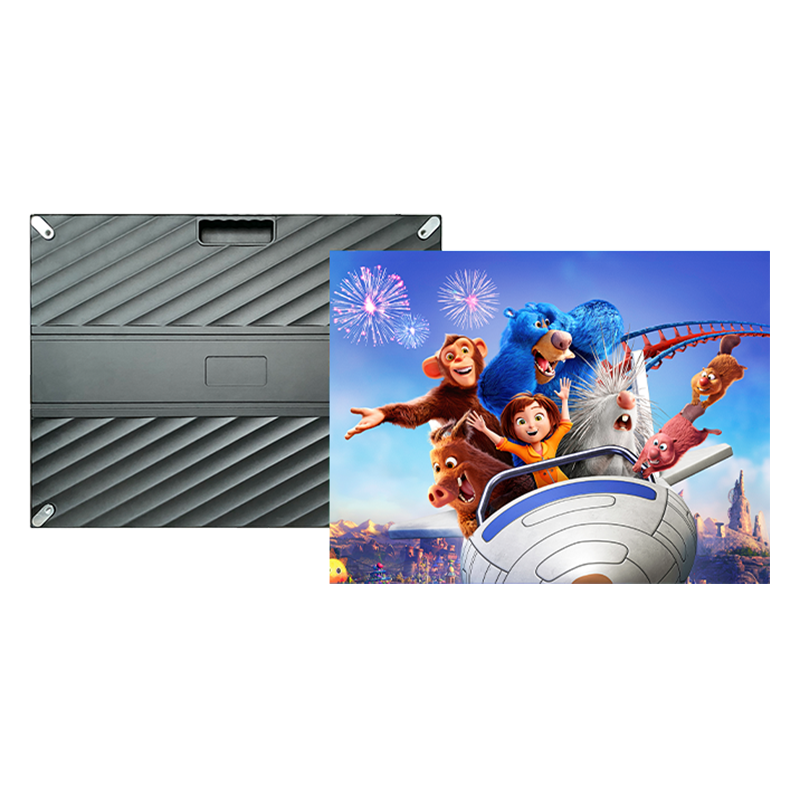
Problem: False promises that masquerade as features
Suppliers talk about brightness, refresh rate, and service life like everyone understand. Many sellers inflate brightness without showing test reports, or sell modules with unstable refresh control that give you flicker on camera. Ask for measured numbers: nits, grayscale response, refresh (Hz), and MTBF. If they can’t show third-party test data or an onsite demo, that’s a red flag. Demand proof, not poetry.
Checklist: Concrete technical checks to demand now
Insist on these facts before you pay: pixel pitch and viewing distance map, calibrated color gamut and color temperature numbers, certified power draw at full white, control system compatibility (HDBaseT, Nova, Linsn, whatever you already use), and module-level serviceability. Also confirm cooling strategy and acoustic noise for indoor rooms. Small things save big headaches — like asking whether spare modules match batch serial numbers.

Procurement traps and how to dodge them
Beware the lowball unit price that hides freight, customs, spare parts, and installation. Some suppliers quote cheaper panels but charge premium on control boxes and licences. Put total landed cost on paper. Add a clause for spare parts availability and lead time. Fix warranty scope: who pays for on-site labour, replacement modules, and shipping? Clear those now or problems become your budget crisis later.
Installation and maintenance mistakes I’ve seen
People mount without checking structure load, ignoring ventilation, then complain when pixels cook or modules loosen. Wrong cabinet flatness kills uniformity. Poor cabling layout makes future swaps a nightmare. Plan for a service path and labelled harnesses from day one. Train one in-house tech on basic module swap — replacement should be plug-and-play, not a two-day callout every time.
Real-world anchor and a short reality check
At CES in Las Vegas designers and venue tech teams showed crystal-clear examples of how indoor staging fails when vendors skip thermal tests; those demos made one thing obvious: verify the product under real operating conditions. I once compared a trade-fair demo to actual room usage and found glaring differences, which is why I always ask to see a worked example of led display screen indoor performance under the expected load — recorded footage, power logs, and thermal scan.
Alternatives worth considering — short evaluation
Direct LED wall remains best for large, uniform viewing. Micro-LED or mini-LED options trade cost for finer pitch at small sizes. LCD video walls are cheaper but lose contrast and uniform viewing angles. For tight budgets, rental solutions give flexibility but add recurring costs and inconsistent returns. Choose based on viewing distance, ambient light, and lifetime hours required.
Final synthesis: Clear problem, clear choice
If supplier problems start as trust gaps, close them with measurable requirements, site-ready demos, and a written spare-parts plan. Test reports and an honest installation checklist protect your brand and audience experience. When you want a partner that answers these questions plainly and stands by the product, look for teams that document results, accept on-site verification, and keep spare modules on hand — the practical solution I trust most comes from HDC.
