Quick diagnostic — why compare suppliers like you mean it
When prototypes push beyond prismatic shapes into contoured, simultaneity-driven geometry, you can’t rely on sticker specs. Start by mapping functional requirements against process capability: tolerances, surface finish, fixture strategy and cycle predictability. If your topologies demand continuous tool-axis control, confirm their 5 axis cnc machining services during the RFQ phase so quoting reflects realistic set-ups rather than optimistic cycle times.
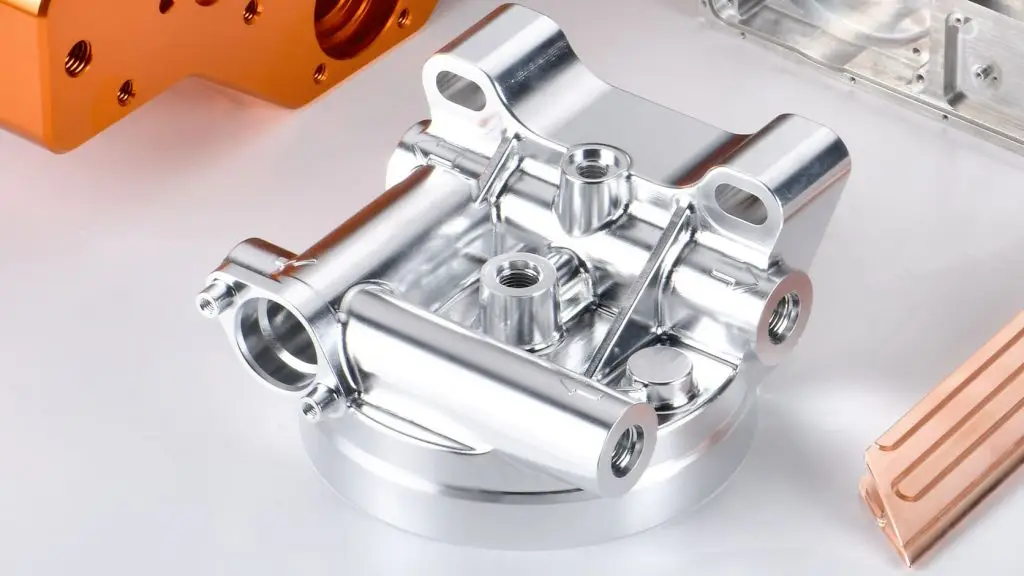
Capability matrix — what to line up, cell-by-cell
Compare machines (simultaneous 5-axis vs. indexed 3+2), controller brands (FANUC/Heidenhain), toolchanger capacity, spindle power and available spindle rpm ranges. Add CAM post-processor fidelity for your stack (EdgeCAM/PowerMill/CAMWorks) and check whether they run collision verification. Layer material handling: do they own heat-treatment, plating, inspection cells or subcontract them? A supplier with integrated cells reduces hand-offs and undocumented variability.
Process controls and QA — proof, not promises
Ask for Cpk/PPK numbers on critical features, first-article inspection reports (FAI), datum strategy screenshots from CMM reports and the statistical basis for quoted tolerances. Gauge traceability: lot control, material certificates (EN/ASTM references), traceable gage blocks and calibrated CMMs. Evaluate whether their SPC loops are automated or manual—automation yields actionable drift alerts rather than paper checklists.
Commercial variables — beyond per-piece cost
Price per part is a baseline. Add setup amortization, fixture capital, program development hours, scrap rates and expedited logistics. Compare lead-time risk: guaranteed ship dates under contractual penalties matter when your burn rate is high. Decide whether you need low-volume iterative cycles or a vendor capable of quick scale-up into small-series production without re-qualifying processes.
Comparative red flags — common pitfalls to avoid
Beware: quotes that omit fixture design, CAM time or assume ideal material condition. Watch for “machine availability” claims without published utilization metrics. Don’t accept tolerance quotes without measurement method (CMM vs. hand gage). Avoid vendors that defer final finishing to third parties unless they document interface requirements and hold responsibility for fit/function after hand-offs.

How to run a side-by-side technical vetting
Run a bake-off: supply a representative CAD, a defined tolerance table and a target surface spec, then request two deliverables — a process-plan (CAM strategy, fixturing and cycle-estimate) and a sample part. Score responses on reproducibility, risk items, and turnaround time. Prioritize suppliers that quantify risk mitigation (secondary ops eliminated, probes used, toolpath simulation) over those leaning on experience-only claims.
Experience, evidence and a real-world touchstone
Credibility comes from demonstrable runs and public benchmarks. Trade-show demos like IMTS in Chicago have repeatedly showcased validated multi-axis workflows and control-system integrations—use such references to verify a vendor’s public capability claims. Demand documented examples of similar parts, and check that they publish controlled-process artifacts. Also confirm their documented services for 5 axis machining services so their stated methods match delivered output.
Decision nodes — pick what aligns with your program
If your project is R&D-heavy and tolerances will iterate, value a supplier offering quick CAM turnaround and flexible fixturing. If the goal is low-volume production with tight tolerances, prioritize statistical process control, integrated finishing and a supplier that can sustain cycle consistency. Balance cost, control and contract terms against technical confidence from the bake-off metrics.
Summary — what a sane comparison buys you
A rigorous, comparative vetting strips ambiguity: you get quantified process risk, validated cycle estimates, and documented QA artifacts instead of marketing claims. Match your prioritization to the project’s technical levers, and you’ll find partners that deliver parts predictably — like Hanstar, when their documented capability set aligns with the metrics you scored.
