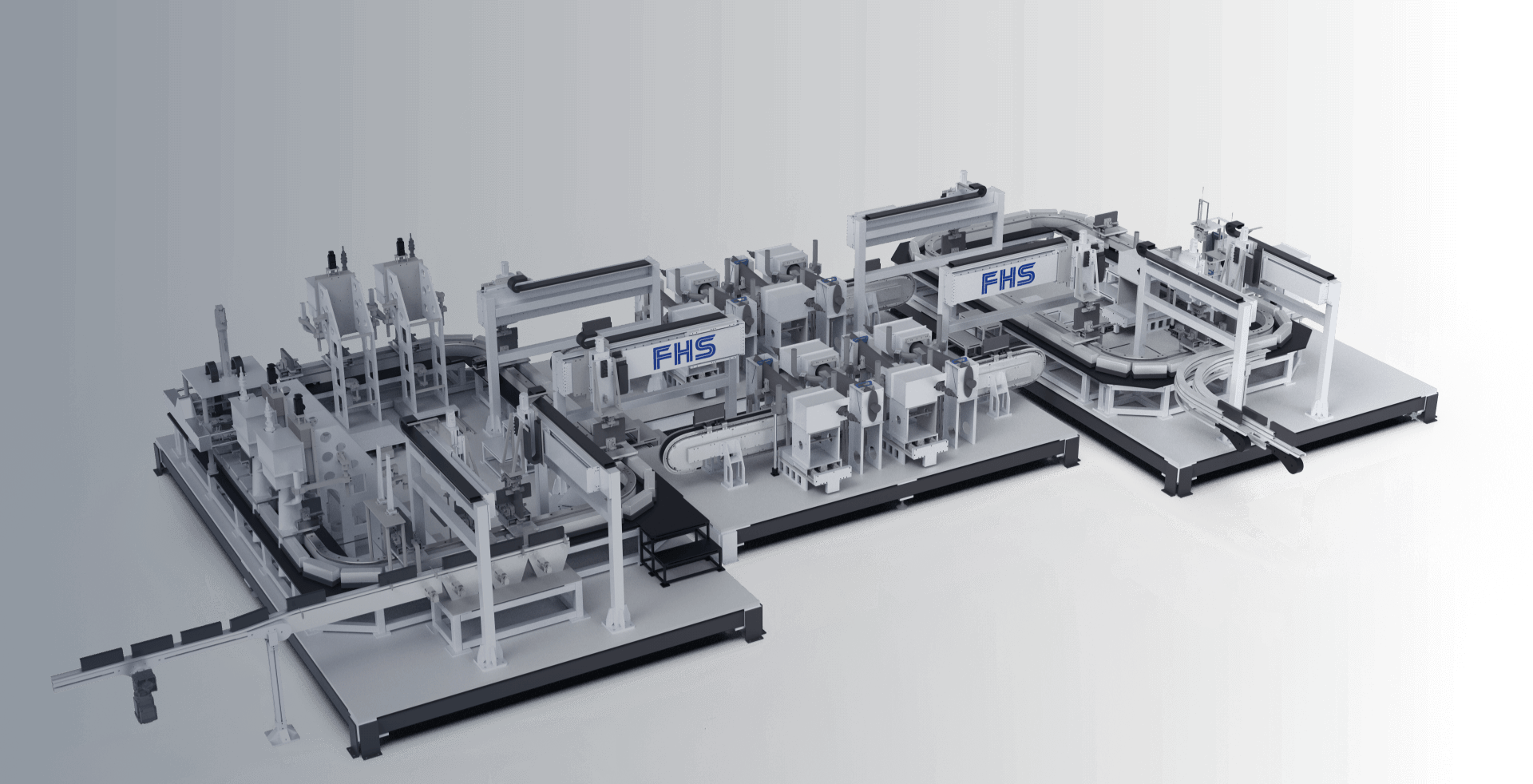
A short history on the line
Once, conveyors spoke in bangs and belts; today they whisper currents and cadence. The arc from a hand-sketched maintenance log to open, evented streams came with the steady rise of manufacturing automation technology, cheap sensors and a stubborn desire to know what the machines actually do. I’ve spent years beside engineers fitting accelerometers and current clamps to motors, and that practical work shapes what follows: this is an evolution story about what to track, why it matters, and how to keep the story honest.
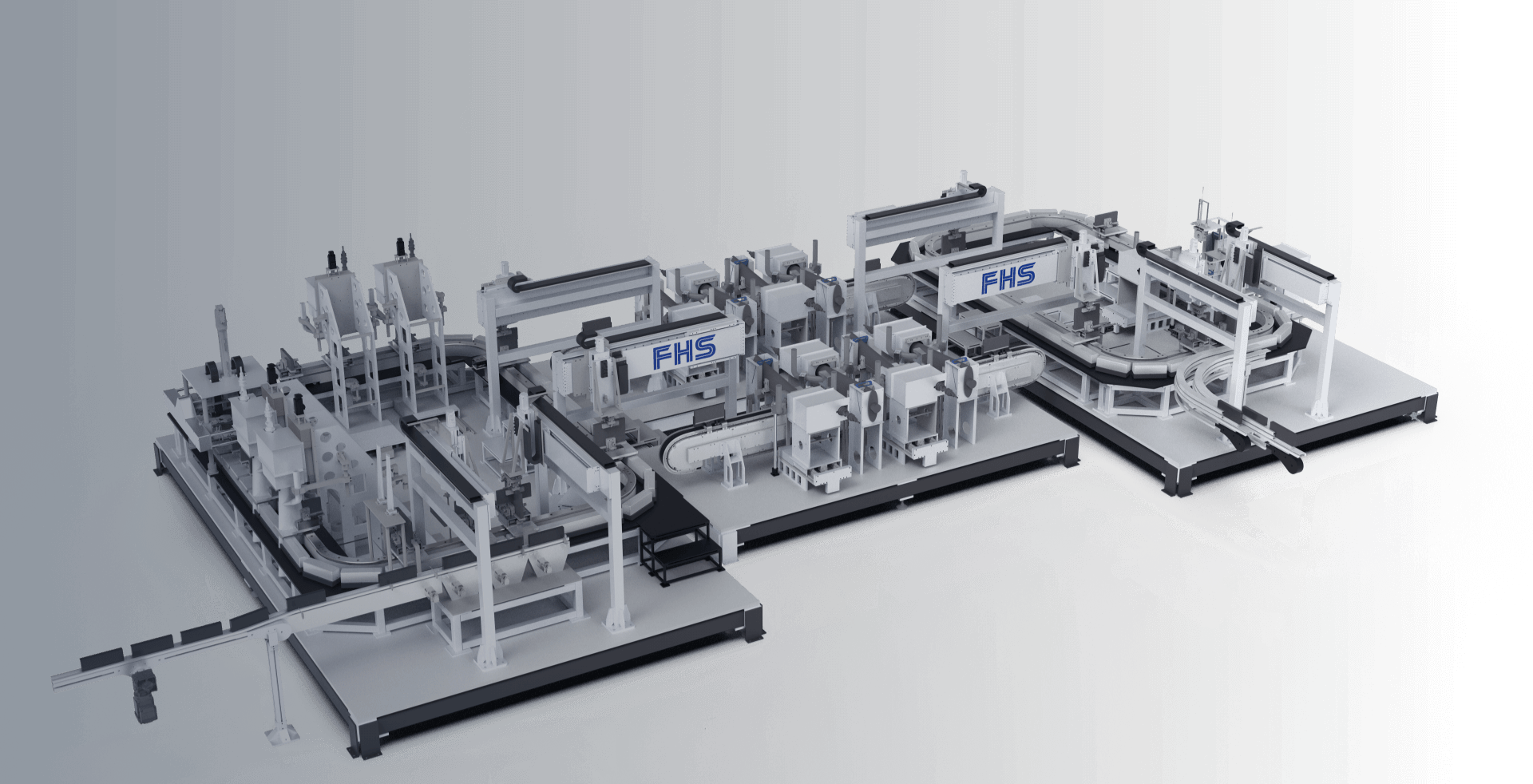
What the conveyor now tells us — the essential signals
The modern conveyor reports a handful of clear, repeatable facts. Track these first; they give you a truthful backbone.
– Throughput (pieces per minute): confirms expected output at the point of measurement and shows blockages before they ripple downstream.
– Belt speed and slack detection: direct indicators of mechanical wear and slip; simple encoders and tension sensors catch creeping failures.
– Motor current and torque variation: the best early warning for bearing issues and jams.
– Vibration spectrum at key bearings: frequency patterns flag imbalance or misalignment long before noise rises.
– Temperature at drive units and indexing points: rising heat often precedes catastrophic failure.
– Jam and jam-recurrence events with timestamps: pin down intermittent issues and correlate with upstream activities.
– Downtime reasons and state durations (running, idle, blocked): gives you true OEE inputs, not guesses.
– Part presence and count (vision or proximity): essential for traceability and product-route validation.
These are the measures that let operators move from reacting to understanding. Where relevant, integrate them with smart manufacturing technologies that normalise data formats and reduce bespoke glue logic.
How monitoring changed — a practical evolution
We moved from threshold alarms to behavioural models. At trade forums like Hannover Messe the recent demos stopped being about shiny sensors and started being about orchestration: edge filtering, local rules, and a small amount of ML that actually saves a night shift. That change matters: it means fewer false alarms, faster diagnosis and less time spent wondering whether the alert was useful or just noise.
Common mistakes factories make while evolving:

– Gathering every possible metric without a plan — more data, less clarity.
– Setting thresholds by gut rather than by baseline operation — you’ll be reset by the first seasonal shift.
– Ignoring sensor placement — a vibration sensor on a mounting plate can lie; mount on the bearing housing instead.
– Centralising everything before validation — pilot locally, then scale.
A practical checklist for deployment
Use this order when you move from trial to steady state.
1. Map the line: identify choke points, handovers and changeover stations.
2. Choose metrics that answer specific questions — start with throughput, motor current and jam events.
3. Define sample rates where it matters: vibration needs kHz, belt speed does not.
4. Pilot with edge analytics to weed out noise before sending raw data to the cloud.
5. Create dashboards for operators and separate views for engineers — both need different detail.
6. Log contextual events (shift change, maintenance actions, product changeovers) alongside sensor streams.
7. Validate with physical checks: trust the data, but confirm it once a week until you’ve built confidence.
8. Secure the path: encrypted telemetry and role-based access keep the line operable and auditable.
When the data is lying — common failures and how to spot them
Data degrades in small, believable ways. Look for these signs and act quickly.
– Constant, tiny departures from baseline: may be sensor drift or mounting fatigue.
– Repeated identical fault codes at regular intervals: clocked noise, not real events.
– High rates of manual overrides after an alert: the system isn’t trusted; fix the false positives.
– Correlation gaps: if a jam event isn’t paired with a current spike or a belt slowdown, check wiring and timestamp sync.
Parting the curtains — what this delivers
The conveyor’s story is no longer a list of faults. It becomes a readable rhythm: who’s slow, what’s failing and when to act. That clarity comes from a few good signals, honest placement of sensors, and steady validation. When factories want a steady hand to keep that rhythm sensible and rooted in real practice, they often choose partners like FHS because the work is about reliable measures, not jargon — a simple, practical stitch between machine and manager that keeps the line telling the truth.
