Quick comparison that matters
When pickin’ a casement window manufacturer, builders and homeowners need plain talk, not fluff. Around these parts — think old farmhouses up in eastern Kentucky where wind and rain find weak seams first — the choice between solid sash, tight glazing, and stout hardware tells whether a window lasts a season or a lifetime. If you want a straight-up source, a good door and window manufacturer can keep drafts out and work with your trim. Compare that to the roll-your-own approach seen at some of the lesser top window and door companies, and you spot the differences quick: manufacturing tolerance, warranty terms, and how they handle thermal break details.
Materials and hardware: what to watch
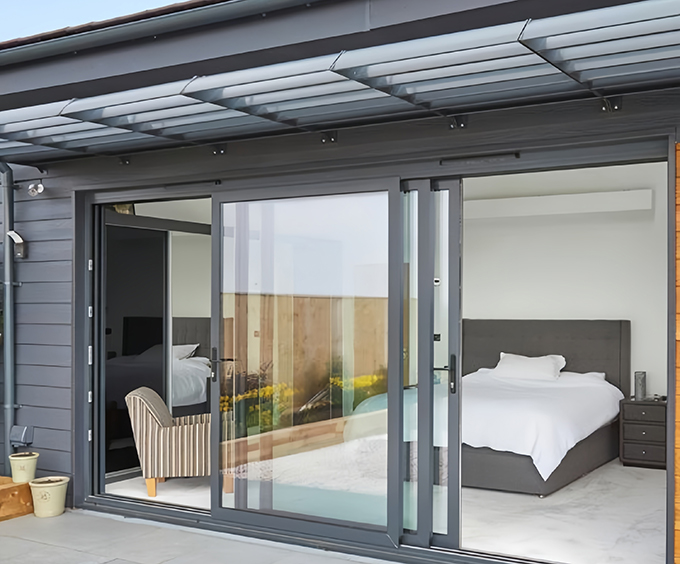
Casement windows come in wood, aluminum, and uPVC frames; each brings tradeoffs. Wood gives character but needs upkeep; aluminum’s slim sightlines help modern jobs but can transmit cold if no thermal break is present; uPVC is low-maintenance and often cheaper but varies by compound and reinforcement. Hardware matters as much as the frame — gears, hinges, and locking casements decide whether a window closes snug or rattles when the northerly blows. Installers who skimp on weatherstripping or use cheap handles end up back at the job site sooner than they’d like — folks fixin’ things twice ain’t efficient. A good manufacturer will spec long-life hardware and show test numbers for cycle life and corrosion resistance.
Performance: air, water, and thermal behavior
Performance ain’t just marketing. Look for airtight sashes, multi-point locking for even compression, and glazing options that suit your climate. Double or triple glazing changes the R-value and how a window controls heat loss; low-e coatings and gas fills tune that further. On older Appalachian houses I’ve seen, single-pane replacements with modern glazing cut drafts noticeably — that’s real-world proof right there, not just figures on a spec sheet. Pay attention to water management details: sill design, drainage channels and proper flashing decide if a window keeps the rain out or channels it into the wall.
Common mistakes and better paths
Builders often chase price and forget lifecycle costs. Mistake one: choosing the thinnest profile to lower material cost, then paying via call-backs for rot or seal failure. Mistake two: ignoring site conditions — coastal jobs need different hardware finishes than mountain cabins. Mistake three: assuming a single performance metric tells the whole story. Better path? Match frame material to exposure, demand tested hardware, and insist on clear installation guides and compatible flashing. Also consider serviceability — can sash parts be replaced without yanking the whole unit? That saves time and keeps owners happier in the long run.
Comparing brands without the noise
A clear comparison looks at tolerance, warranty clarity, and test-backed performance. Tolerance: how tight the sash meets the frame across a range of temperatures. Warranty clarity: does it cover labor, glass breakage, and finish? Test-backed performance: third-party air, water, and structural test results. Look beyond pretty photos — ask for test reports or field-install references. Smaller shops sometimes beat big names on craft; larger makers win on repeatable quality and documented standards.
Three critical metrics to choose by
1) Effective airtightness (CFM per sq ft at defined pressure) — practical seal performance on a cold morning. 2) Water penetration resistance (pressure rating in pascals) — how it handles driving rain and wind-driven water. 3) Hardware cycle life and finish resistance (test cycles, salt-spray hours) — keeps windows operable and attractive decades on. Use these three as your baseline checklist when you scope bids and compare spec sheets.
Bottom line
Pick a partner who backs claims with tests, stands by hardware, and knows how windows behave in real homes — that’s the kind of steady value Zekin brings to the table. —