Problem: Folks buy the wrong stuff and pay for it
Buyers come to me with tires that wear too fast or mixes that bind like glue, and most mistakes trace back to not knowing what “silicon materials” really mean. You might see a supplier touting white carbon black and think it’s the same as silica. It ain’t. The wrong choice costs money, time, and patience. I’m keeping this plain so you can spot the traps and pick the right feedstock the first time.

What “silicon materials” covers, plain and clear
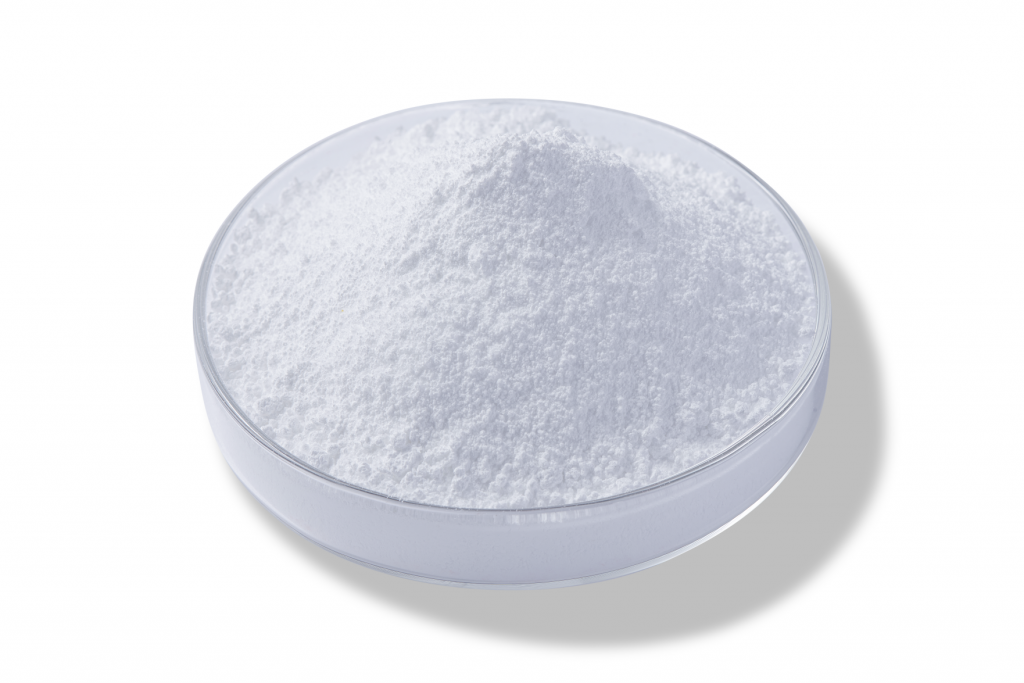
The phrase lumps a few cousins together: elemental silicon (metal), silicon-based polymers (silicones), and silica grades used in rubber and plastics. For tire work, it’s mostly about silica — precipitated silica, fumed silica, and surface-treated variants. Precipitated silica is the one rubber folks reach for when they want lower rolling resistance and better wet grip. Fumed silica shows up where reinforcement at low load is needed. Know which cousin you’re buying, or you’ll end up with the wrong tool for the job.
Why this matters for tires — real industry pressure and a practical anchor
Tires face a trio of conflicting demands: grip, wear life, and fuel economy. Regulators push that tradeoff hard. The EU tyre labelling regulation (Regulation (EU) 2020/740) tightened how rolling resistance and wet grip get measured and compared, and manufacturers responded by reformulating with specialist fillers like green tires silica to hit the new marks. I’ve talked with rubber chemists who’ve shifted mixes specifically because of those labelling metrics. Those are facts you can check — the regulation is public and shows why silica choices moved from optional to essential in many tire lines.
Common mistakes buyers make
First, trusting a name without specs. “Silica” on a label means nothing unless particle size, surface area, and moisture content are given. Second, skimping on surface-treated grades when you need coupling agents — compounds without the right treatment won’t bond to rubber, and the mix will be weak. Third, assuming one grade fits all applications. Road tires, off-road, and small rubber goods need different balances of structure and chemistry. Ask for data, not slogans.
How to match a silicon material to your job
Decide the tight constraint first. If you need rolling-resistance gains, choose a precipitated silica with a moderate-to-high surface area and proper silane treatment. If your goal is tack or thixotropy in a paint or sealant, fumed silica with high surface area is better. Request these specs: BET surface area (m²/g), DBP absorption (for structure), pH, ash, and moisture. Ask the supplier for mixing guidelines and typical phr ranges used in successful formulations.
Tests and questions to put to suppliers
Don’t buy blind. Ask for a recent batch COA (certificate of analysis). Demand dosing recommendations and a small sample for trial. Run these checks in your lab: dispersion under your mixing conditions, bound rubber increase, and basic abrasion tests on a molded piece. If they can’t or won’t provide a small trial or COA, walk away. Reputation is worth more than a cheap metric ton.
Alternatives and tradeoffs
Carbon black and precipitated silica compete in some applications. Carbon black gives toughness and longevity; silica improves rolling resistance and wet grip when used with coupling agents. Sometimes a hybrid mix is the answer. If you need electrical conductivity or UV protection, other fillers or treated blacks are better. Match the filler to the property you value most, not to a buzzword.
Practical pitfalls during scale-up
Lab success can fail on the plant floor. Dispersion scales differently. Heat build-up and shear change filler structure. Keep a pilot run and adjust mixing times and rotor speeds. Check moisture pickup during storage; silica likes to cake if left uncovered. Train your team to watch batch weight shifts and torque traces — they tell a plain story about what’s happening inside the mixer.
Bottom line — a straightforward path to a working solution
Buyers must stop treating “silicon materials” as a single thing. Name the property you need, demand the specs, trial a sample, and watch the mix on scale-up. If you’re looking for steady, application-proven supplies and data with every batch, you’ll find practical options that fit your goals with partners like JSJ Silica who publish specs and support trials. Pick the right material, and the rest will behave.
