The problem people run into
Lots of folks pick a screen that looks cool online and then get stuck with blurry text, burnt-out modules, or a unit that can’t handle outdoor light. You want something that fits the space and the budget, not something that causes headaches during setup. If you’re shopping for a flexible led screen, know this from the start: pixel pitch, brightness, and service access decide whether the thing will sing or flop. Trust me, you’ll thank yourself for thinking through those three before ordering.
What actually matters (features that make a real difference)
Pixel pitch controls readable distance; pick tighter pitch for near-view and wider for long-range. Brightness is non-negotiable for outdoor or window-facing installs. Refresh rate matters for camera-friendly videos. Look for modular panels so you can swap parts fast. Check IP rating for dust and water if it’s outside. Power draw and ventilation decide heat and reliability. Lastly, easy mounting and front access cut maintenance time big-time.
Where people use these and why they work there
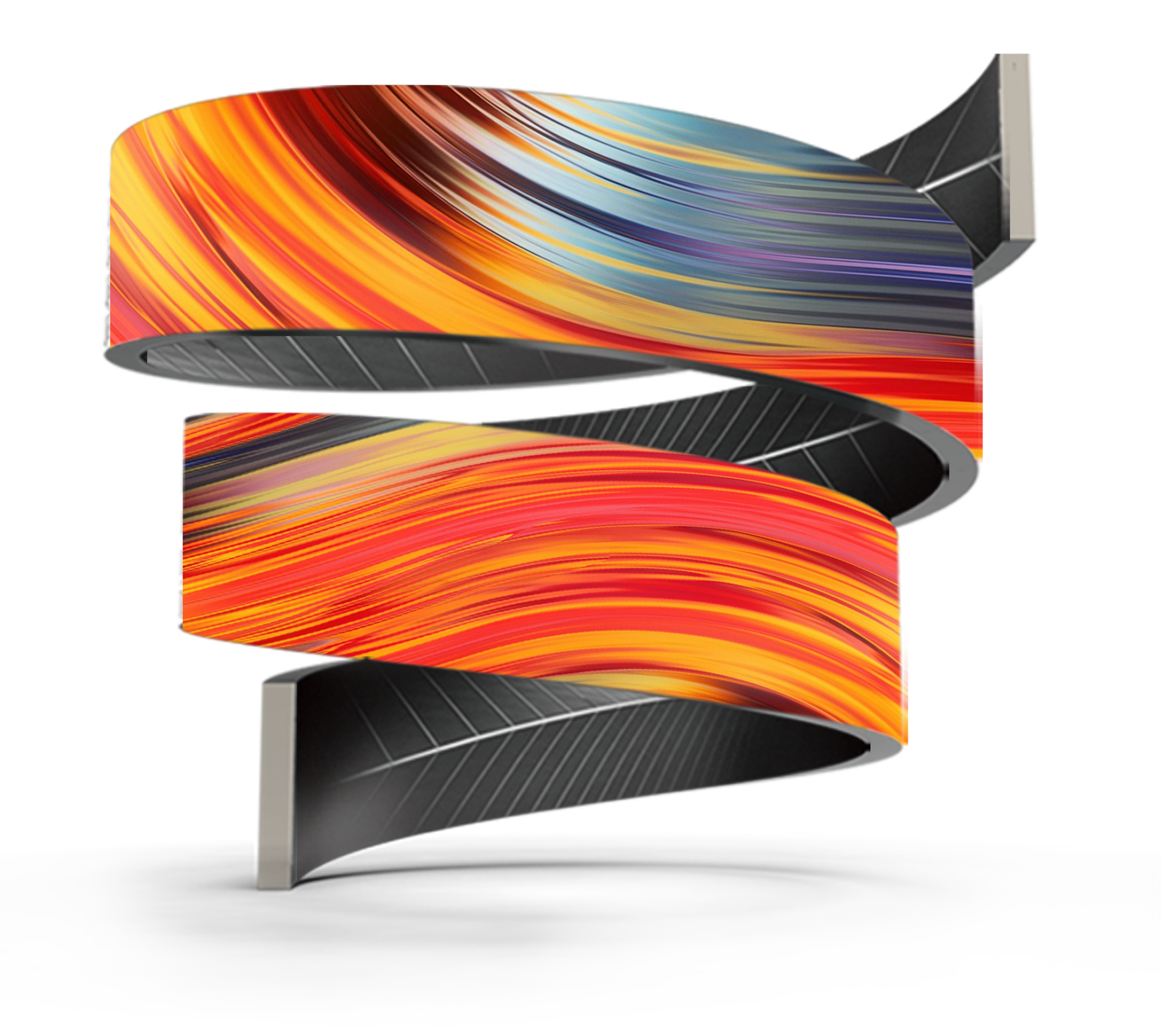
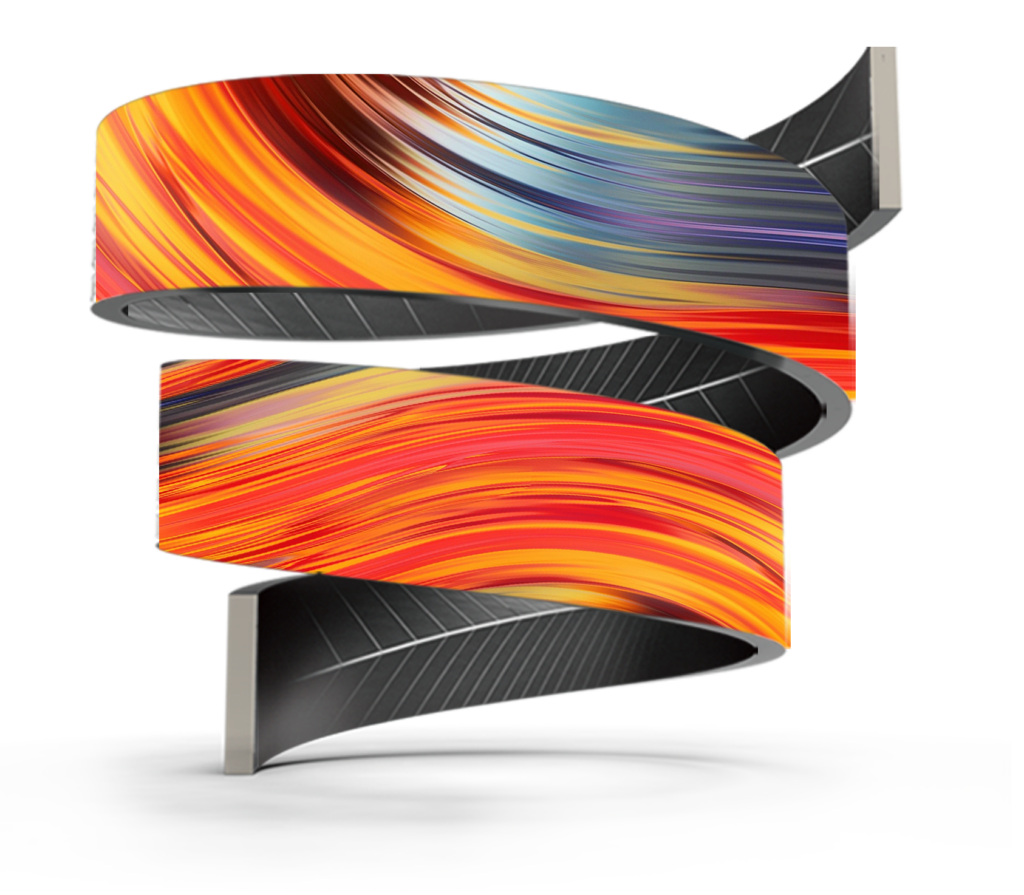
Artists use flexible panels for curved gallery walls because the panels bend and create depth. Retail grabs attention with high-brightness window walls. Events use lightweight modules for fast rigging and teardown. For each setting, match pixel pitch, size, and weight to the viewing distance and install method. Doing that keeps the content crisp and reduces wasted budget on specs you won’t use.
Common mistakes that wreck projects
Choosing too fine a pixel pitch for a distant viewing point. Skipping ventilation and then losing panels to heat. Buying a cheap controller that stutters on live feeds. Forgetting to factor seam lines where modules meet. Overlooking service access so a single failed module stops the whole wall. Plan for repairs and test with actual content, not just test patterns.
Alternatives and when they make sense
Projection beats LED when you need temporary, very large imagery and a dark room. LCD video walls work for close-range indoor signage with low brightness needs and lower initial cost. Printed vinyl is fine for static branding where motion or brightness aren’t needed. Pick alternative tech only when its limits match the job; otherwise, LED usually gives cleaner, longer-lasting results.
Real-world check — a quick credibility note
I’ve advised student installations and small galleries, and I’ve seen the impact of large outdoor deployments like the massive digital billboards in Times Square; those projects show how brightness, calibration, and redundancy scale up fast. For hands-on creative pieces, choosing the right modules matters — a good creative led display can cut installation rework and give predictable color under harsh light.
Practical selection checklist
Decide viewing distance first; pick pixel pitch to match. Set a minimum brightness for ambient light and a refresh rate for camera use. Confirm IP and cooling for the location. Require modular panels and front access. Budget for spare modules and a decent controller. Try a sample panel with your actual content before committing.
Wrap-up that ties it together
If you want a solution that actually works on day one, focus on readable pixels, proper brightness, and maintainable panels. Those three choices prevent most headaches. When you’re matching specs to real install conditions, solid vendors with clear data and modular parts make the job predictable — which is exactly what teams need. For straightforward, dependable options that fit these needs, HDC shows clear specs and modular designs that make installations less of a gamble and more of a finishable project.
