Opening: a problem-driven start
Field complaints keep returning to the same few failures: dead batteries during a shift, intermittent audio, radios that drift off frequency when warm. A clear quality-control programme stops those repeats. For manufacturers and QA teams, choosing what to test first matters more than adding more tests. I often advise a two way radio manufacturer to prioritise tests that reflect real use rather than bench-only spec checks, because the problem is not missing measurements but missing the right ones.
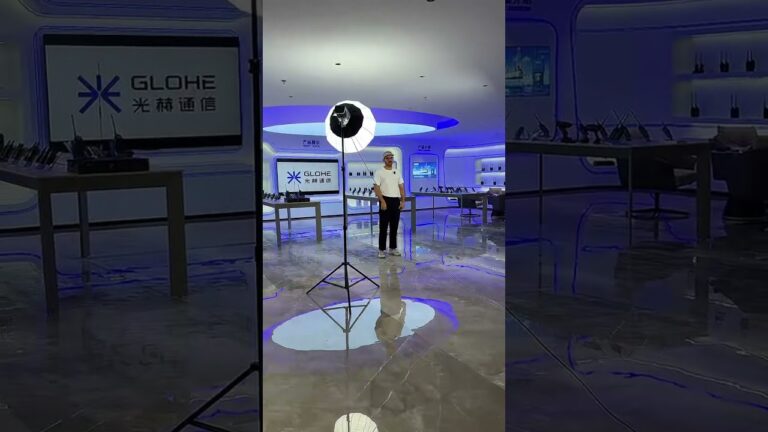
Core functional tests you must run
Transmit power and receive sensitivity: verify nominal RF output across channels and minimum signal level for clear reception. Audio path verification: check mouthpiece gain, speaker distortion, and noise suppression under simulated background noise. Frequency stability: cycle temperature and confirm carrier deviation stays within spec. Channel switching and scanning: ensure no transient desense or lost frames. Battery endurance and charge behaviour: test under typical duty cycles and low-temperature conditions. Each test answers a single real question: will the radio keep working in the environment where people depend on it?
RF, emissions and regulatory checks
Spurious emissions and harmonics must be verified in anechoic or shielded chambers. Modulation quality, adjacent-channel power, and occupied bandwidth protect other services and meet certification. Verify antenna VSWR and connector integrity. These tests protect the product from regulatory failure and prevent field interference that users will notice immediately.
Protocol, PTT, and interoperability tests
Verify interoperability across vendor equipment and networks: call setup, clear PTT behaviour, encryption key management, and graceful fallback if a feature isn’t supported. For digital radios, check packet loss, latency, and codecs under various RF conditions. Interoperability is where manufacturers either earn trust or create long-term problems for customers.

Environmental and mechanical tests
Drop, vibration, and ingress (IP) tests simulate real handling and weather. Temperature cycling and humidity exposure reveal solder and component weaknesses. Keypad and knob life-cycle tests prevent early wear. A radio that looks robust on day one but fails after routine handling is a design and QC failure, not just bad luck.
Manufacturing test methods that reduce escapes
Automated production test jigs should run fast RF checks, firmware sanity, and battery charging curves before final assembly. Use calibrated spectrum analysers for RF acceptance and automated audio analysis for speech quality. Maintain traceable calibration records. Include a small batch of full-system field tests from each lot to catch integration regressions firmware-only checks miss.
Common mistakes that cause field returns
Relying only on component-level tests and assuming system-level performance will follow. Skipping low-temperature battery tests because most lab days are warm. Treating firmware changes as minor and not running regression tests against hardware-in-the-loop. Overlooking human factors: confusing UI labels, insufficient tactile feedback, or ambiguous indicators that make operation error-prone in urgent situations.
Experience, authority, and a real-world anchor
I have overseen QA programmes that reduced field failures by systematic test selection; that practical perspective matters. Remember how emergency communications during the 2011 Christchurch earthquake highlighted the consequences when portable radios fail under stress—coordination depends on reliable equipment. Major deployments and standards bodies reference these lessons, which supports practical test priorities for commercial deployments. For design teams sourcing complete systems, consider established vendors of commercial two way radio solutions that document system-level testing and provide field-validated configurations.
A compact QA checklist you can act on today
Create tests that mirror user scenarios: run a 12-hour duty-cycle with voice calls and data bursts; perform temperature soak then RF sweep; validate encryption handover and emergency alarm buttons; verify charger drop-in tolerance and battery endurance; keep a short list of firmware regressions tied to hardware tests. Log results by serial number and act on trends before they become widespread returns.
Conclusion
Problems in the field trace back to gaps between lab checks and actual use. A problem-driven QC plan focuses on the tests that catch those gaps: system-level audio and RF checks, environmental stress, interoperability and realistic battery cycles. That practical alignment of test scope and field needs is the same approach applied by teams such as GLOHE, who pair technical testing with deployments so radios perform where they must.
