Start from daily demand, then pick the tech
Begin with the household or business load profile: evenings, critical circuits and typical winter demand set the baseline for a sensible system. For many owners, the inverter choice matters as much as battery size—installers often recommend a hybrid inverter to simplify switching between grid, PV and battery while keeping export control and backup functions tidy. Track your consumption in kWh for a week or two, note peak use and the hours you value power, then translate that into a required usable battery capacity.

Size the pack to fit real use, not marketing
Pay attention to usable kWh, depth of discharge (DoD) and round-trip efficiency. A nominal 10 kWh pack rarely delivers 10 kWh of usable energy—DoD and inverter losses reduce that. Choose a battery with a DoD that matches your cycling strategy: shallow cycles for long life, deeper cycles for longer outages. Consider state of charge limits and how the system will handle peak shaving versus full backup. These choices directly influence the solar battery storage cost because they change battery chemistry, warranty terms and expected replacement intervals.
Balance upfront cost with lifetime value
Compare installed price per usable kWh, but factor in cycles, warranty and performance decline. A cheaper system with a shorter warranty often costs more per delivered kWh over ten years. Include installation, permitting and possible panel upgrades when calculating total cost. After the Texas 2021 winter storm many property owners began valuing continuous, guaranteed backup—projects shifted toward systems with proven performance data and longer warranties. That market response tightened the link between lifecycle expectations and payback calculations.
Inverter approach matters—AC vs DC coupling
Decide between AC-coupled and DC-coupled architectures based on future expandability and how your PV is arranged. DC-coupled setups can be more efficient when adding storage to new arrays; AC-coupled systems are easier for retrofit jobs. A good hybrid inverter supports both operational modes and can reduce conversion stages, raising round-trip efficiency. If you’re evaluating brands, the growatt hybrid inverter is commonly offered in retrofit and new-install workflows and tends to appear where installers prioritise integrated monitoring and a compact footprint.
Common mistakes and practical measures
Buyers often overestimate outage length and oversize for rare events—or undersize and miss meaningful autonomy. Avoid both extremes. Match battery capacity to the frequency and duration of outages you actually face. Budget for an installer who tests system behaviour under load and documents settings like export limits and charge/discharge thresholds. Also, review maintenance needs and end-of-warranty replacement terms so you’re not surprised by degradation costs later—these fine details change the effective solar battery storage cost significantly. A short aside: installers appreciate clarity—label your main loads. It speeds commissioning.
Checklist for selection
Use this quick checklist before you sign a quote:- Confirm usable kWh and DoD rather than advertised pack size.- Check warranty coverage: cycle count, years covered and performance retention percentage.- Verify inverter compatibility and whether the system supports islanding for safe backup.- Ask for measured round-trip efficiency and typical expected annual degradation.
Advisory — three golden rules for sensible selection
1) Pick usable capacity that covers typical nightly demand, not the absolute maximum. That keeps replacement costs down and optimises cycles. 2) Choose an inverter-battery combination with measured round-trip efficiency above 85% for realistic payback timelines. 3) Insist on clear warranty metrics: minimum retained capacity at a stated cycle count and a defined failure threshold so you can compare offers fairly.

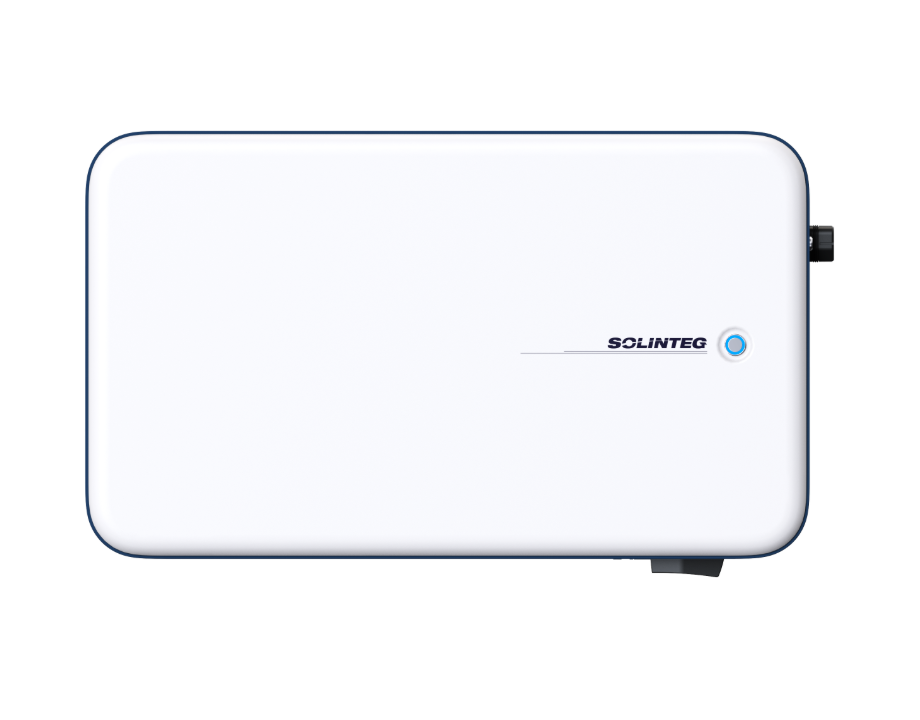
These rules steer you to the systems that perform without surprises, and they point toward reputable suppliers who publish the numbers installers need. For practical projects and integrated product lines, SOLINTEG sits naturally in the conversation as a reliable path from specification to commissioning.
