The problem that keeps projects from shipping on spec
Design teams and procurement teams keep losing margins to avoidable failures: poor materials, mis-specified seams, and silent tolerances. Engineers demand repeatable performance; buyers demand predictable cost and delivery. Too many projects start with a vague line item for a custom bag supplier and end in firefighting—samples that don’t match the cutting files, laminates that delaminate, or prints that shift during production. Stop accepting “close enough.”

What engineers must lock down first
Define function before form. Specify target load, abrasion cycles, solvent exposure, and exact stitch count per inch. Call out substrate grades (e.g., 210D polyester with PU coating), seam type (taped vs. overlock), and allowable dimensional tolerances in millimeters. Require lab tests: tensile, hydrostatic, and colorfastness methods with pass/fail thresholds. Demand sample validation under worst-case conditions rather than a staged approval that hides failures.
Where buyers trip up and how to stop it
Buying on price alone kills the product later. Don’t accept photos, vague MOQ promises, or verbal QA procedures. Insist on comparable BOM-level quotes and clear tooling ownership. Negotiate MOQs tied to step releases, and define freight responsibility with CIF or DDP specifics. Specify inspection points—raw incoming, inline, and pre-shipment—and assign acceptance criteria. If samples differ from production pieces, freeze orders until the specs are met.
Quality controls that actually prevent rework
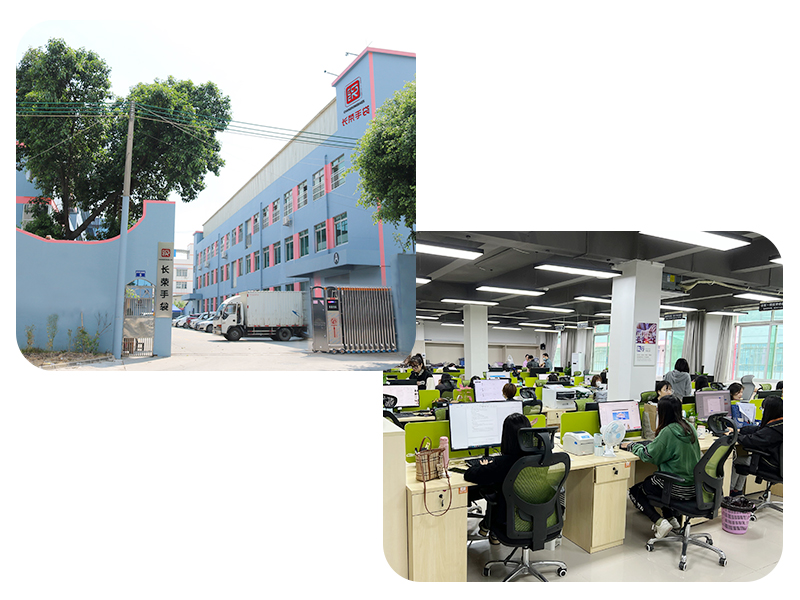
Use AQL only for bulk acceptance; add targeted destructive tests on pilot runs. Run a first-article inspection that replicates the end-use: load cycles, zipper pull tests, and wash cycles if fabrics are washable. My perspective comes from audits at the Canton Fair and hands-on factory reviews, which showed how early-stage validation cuts defects by design. That field experience also taught me what a china bag factory needs to document: raw material certificates, process control charts, and sample traceability from roll to finished unit.
Alternatives and the trade-offs every team must weigh
Local prototyping shops speed iterations but cost more per unit and often lack scale testing. Near-shore vendors reduce lead time but may have higher labor rates. Full-service China suppliers lower unit costs and offer scale, yet they require stricter upfront specs and oversight. Choose based on iteration cadence, risk tolerance, and total landed cost—not just unit price. If you want rapid R&D, pay for it; if you want scale reliability, pay to enforce it.
Synthesis: make specification enforcement the product’s backbone
Don’t outsource accountability. Translate performance goals into measurable, testable requirements, build checkpoints into the supplier contract, and insist on documented proof at every stage. When teams do that, they stop firefighting and start shipping to spec—practical work that places manufacturing and design on the same team, just like the approach practiced by ChangRong.