Introduction
Here’s the play: the depot hits 6 p.m., the city lights up, and your energy bill starts singing the blues. The second you plug in, the charge discharge module becomes the quiet MVP that decides if you win or lose the night. Last quarter, sites like yours saw peak demand spikes jump by 18%—and that’s before storms or market stress kick in (wild, right?). So ask yourself: do your chargers only sip power, or can they push back to the grid when it counts?
I’m talking real-time swaps, not wishful thinking. Think buses feeding the building during peak. Think cars soaking up cheap night juice and selling high at dawn. If your setup can’t flex—can’t balance the DC bus, can’t talk over CAN bus, can’t ride out voltage flicker—you’re leaving money on the table. And you feel the pain in uptime, heat, and noise—funny how that works, right?
Let’s lay out the gaps, then stack the new gear against the old. Next stop: the hidden pitfalls.
The Hidden Pain Points Old Setups Don’t Show You
Most legacy rigs run one-way and run hot. They treat every car like a dumb load. A solid V2G charge-discharge module flips that script with bidirectional flow, isolation, and high-efficiency power converters. But here’s the twist—operators don’t complain about direction. They complain about drift, heat, and downtime. Thermal management that throttles after 30 minutes. PFC stages that choke when voltage sags. EMI filter choices that play nice in the lab but howl next to welders. Look, it’s simpler than you think: if your unit can’t hold a tight DC bus under fast ramps or keep the switching frequency stable under load, your fleet feels it in charge time and battery stress.
Then there’s control. Old gear talks in slow motion. CAN bus traffic gets noisy when you add more ports. Firmware updates need a truck roll (pain). And edge computing nodes? Not even in the plan. Operators need clean telemetry, clear fault codes, and graceful fallback. Without that, you burn hours chasing ghosts. The result is a quiet tax on your ops team—missed windows, jitter, and surprise trips.
What’s the real blocker?
Legacy design assumes steady loads. Fleets don’t behave steady. Peaks hit hard. Loads swing. Buildings fight back. If your module doesn’t adapt in milliseconds, the whole site becomes the bottleneck.
From Constraints to Control: How the New Wave Works
The forward path is not magic—it’s better physics and smarter control. New designs pair a high-density bidirectional inverter with tight-loop control, so the DC bus stays calm even when the grid jitters. They stack wide-bandgap devices for lower losses, then ride advanced thermal paths to keep cool under sustained power. Add smart PFC and you keep utility happy while shaving harmonics. And because the brains matter, firmware prioritizes fast ramp profiles, safe isolation, and clean transitions between modes. That mix turns “maybe” into “on time.”
Real-world Impact
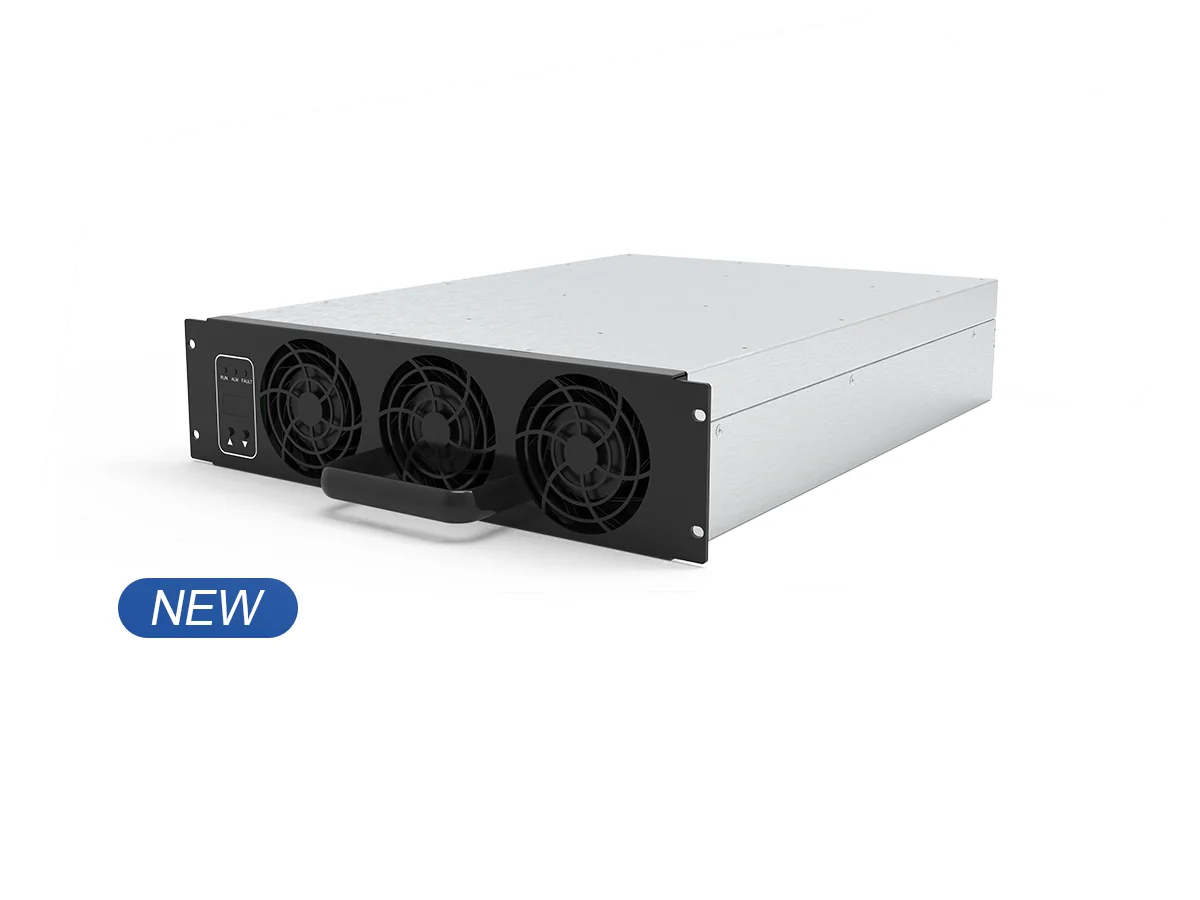
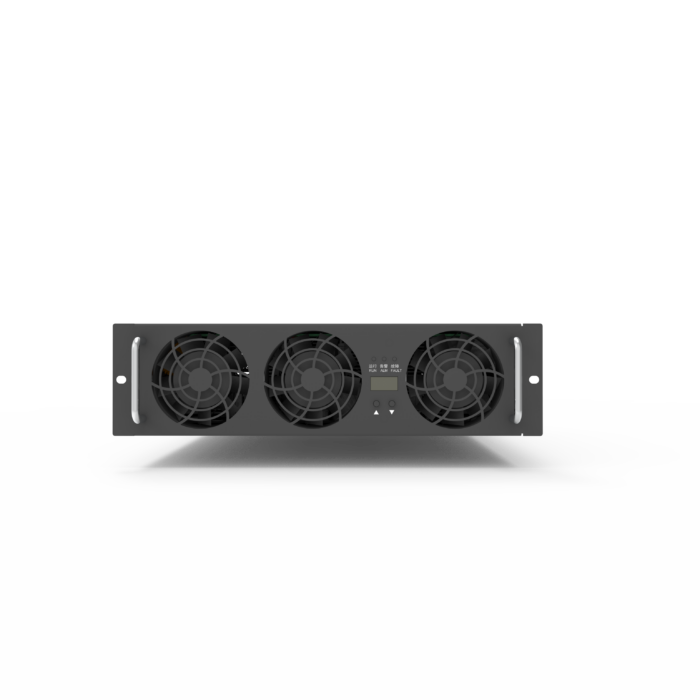
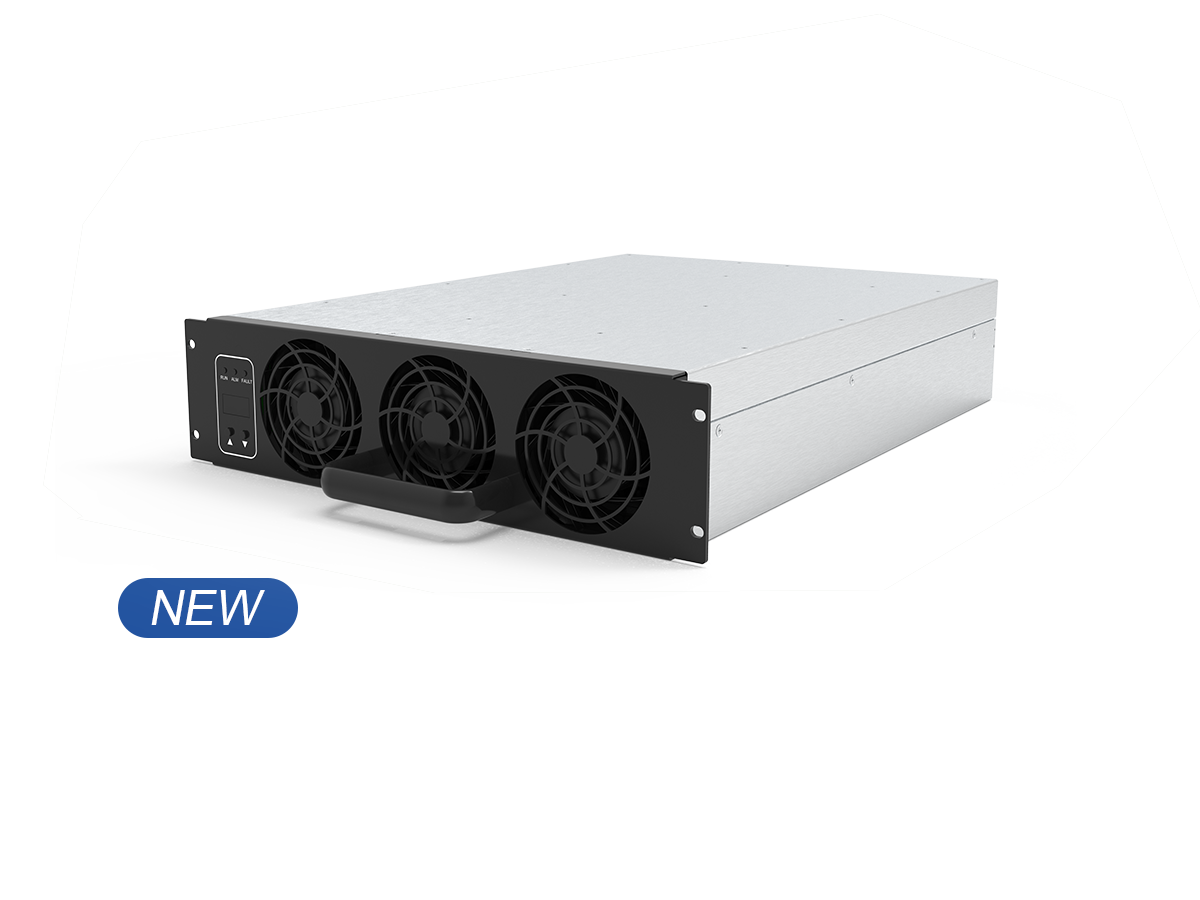
Consider a mixed depot that shifts 22 kW per port across ten stalls. With a modern control plane, the system can charge five EVs and discharge five to the building during peaks, then swap roles as prices change—on the fly. The Charge-discharge Power Module sits at the center, timing flows, smoothing the DC bus, and guarding components against thermal creep. Result: the site trims peak demand charges, avoids nuisance trips, and keeps state-of-charge targets without drama. And when a storm hits—switch. Fleet becomes buffer, building stays lit, drivers stay rolling.
Let’s wrap with a quick decision lens—because gear shopping shouldn’t feel like a gamble (we’ve all been there).
What’s Next
Use three metrics to pick your path. One: dynamic response. Ask for verified millisecond response to load changes and grid flicker, with logs. Two: thermal headroom. Demand continuous power ratings at site-relevant ambient temps, not just short bursts; check for clear derating curves. Three: control clarity. Insist on transparent CAN bus mapping, fault taxonomy, and over-the-air firmware options. If a vendor dodges these—walk.
Bottom line: yesterday’s one-way boxes slow you down. Smarter modules make power a two-way street—and your fleet the ace in the deck. Keep it simple, keep it stable, keep it fast—then let the numbers talk. For deeper dives and hardware details, see winline EV charging.
