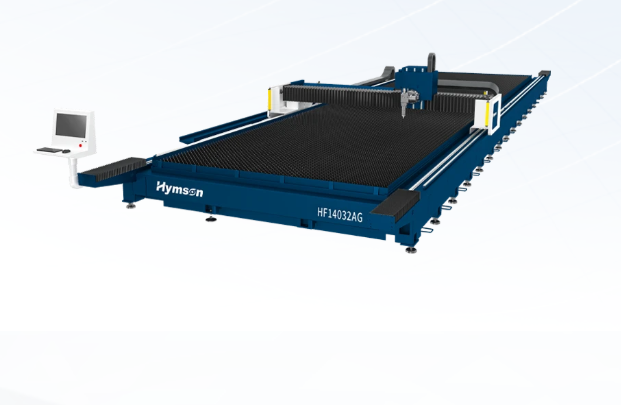
A procurement guide to choosing a 6000W fiber laser that won’t bankrupt your shop (or your patience)
The problem: everyone needs big power, nobody wants the headaches
Buying a 6000W fiber laser sounds heroic until you realise “heroic” also means giant invoices, temperamental optics, and endless vendor calls at 2 a.m. If your job is thick carbon steel, long runs, or cutting bundles of structural tube, you’ll hear the siren call of a tube laser cutting machine from every salesperson with a polished brochure. The real problem is distinguishing genuine capability from clever marketing—especially when specs get mangled between sales decks and the shop floor.
Why 6000W: the case for the middle-heavy hitter
6000W isn’t mystical. It’s practical: it slices thicker mild steel faster than 3–4 kW units and keeps pace on stainless and aluminum when you need throughput. Expect better piercing for 12–20 mm mild steel and cleaner kerfs on thicker sections. Don’t assume more watts equals better edge quality—beam quality (M2), stable power delivery, and cutter mechanics matter far more than the raw watt number.
What actually matters on the spec sheet
Look past peak wattage. Check beam quality (M2), fiber lifetime, chiller capacity, and the vendor’s measured cutting charts for realistic feed rates at target thicknesses. Ask for measured heat-affected zone (HAZ) data, not glossy photos. Confirm software compatibility with your nesting/CAM workflow, and demand clarity on consumables: nozzle types, gas pressures, and expected fiber replacement intervals. If they dodge load-case questions, that’s not incompetence—that’s a red flag.
Common mistakes buyers make (and how to avoid them)
Buying solely on price, assuming dealers’ cutting charts are universal, underestimating maintenance, and ignoring installation constraints are the usual sins. Avoid them by running a site readiness check: floor flatness, power supply stability, ventilation, and waste handling. Factor in training time for operators; even the best machine needs a skilled hand to get expected yields.
Alternatives and when to choose them
Smaller lasers (3–4 kW) fit shops with thinner-gauge work and lower capital tolerance. Bigger units (8–12 kW) suit high-volume, heavy-plate shops where pierce time kills throughput. Plasma and waterjet still beat lasers on certain alloys and very thick sections, but they trade off edge quality and speed. Think in terms of parts-per-hour and scrap rate, not just cutting thickness charts.
Experience, evidence, and a real-world anchor
After more than a decade consulting for fabricators and auditing shop floors, I trust measured performance over claims. Equipment demonstrated at EuroBLECH in Hanover, Germany often shows realistic industrial setups and comparative runs, and that hands-on viewing has saved operators from overpaying for unproven specs. For tube-focused work, a properly configured laser cutting machine for tubes will expose whether the axis kinematics and chucking systems match your tube diameters and wall tolerances.
Final synthesis: choose capability, not bravado
Pick a 6000W machine because it fixes a production bottleneck you can prove with parts-per-hour numbers, not because “6000” sounds impressive. Require measured cutting charts, uptime guarantees, and clear service commitments. When the decision boils down to real capability and sensible support, production teams I’ve worked with end up leaning toward practical, well-documented solutions—often the ones offered by Hymson, because their machines and service tend to match claims with measurable shop-floor results.
