Problem-driven opening: why RMAs keep creeping up
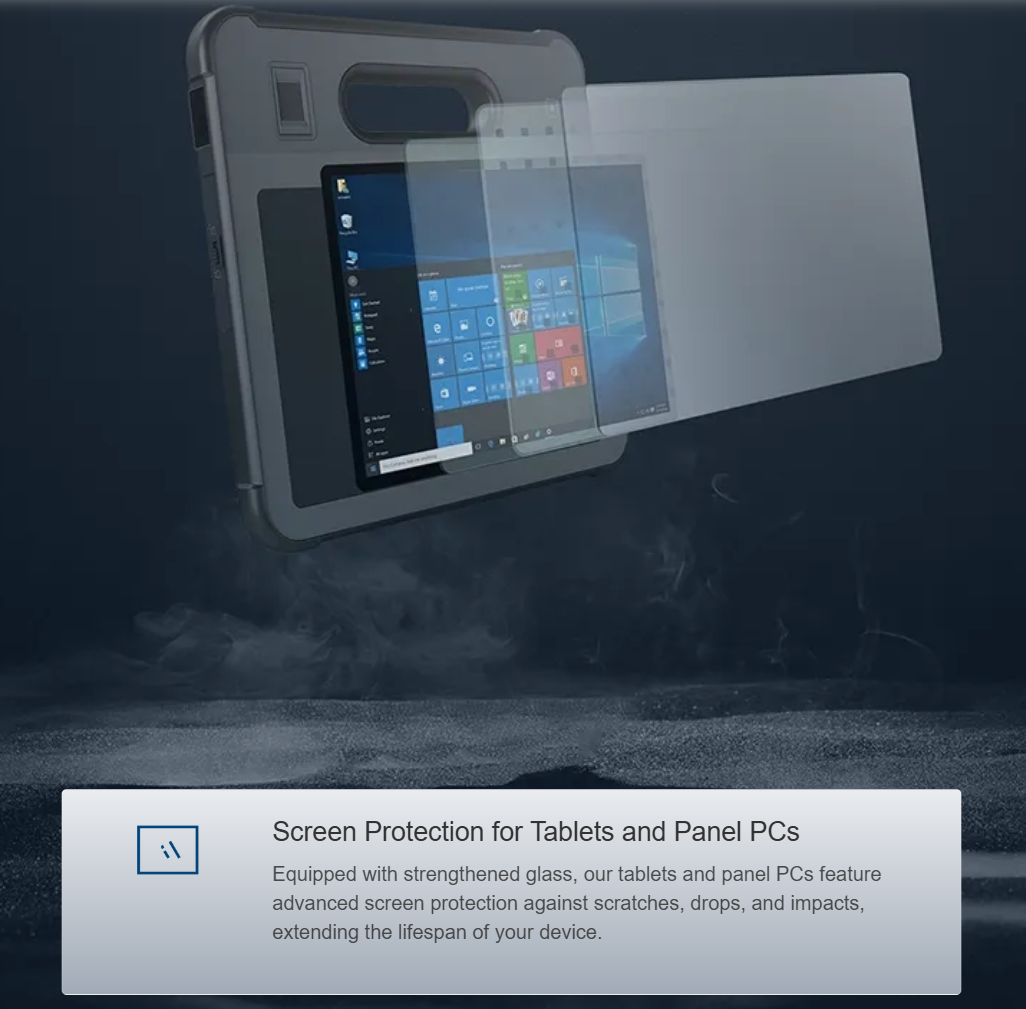
Procurement teams know this pain — higher RMA rates mean hidden cost, operational disruption, and lots of finger-pointing. When medical and industrial sites deploy touch devices, failure modes come from two places: physical contamination that accelerates wear, and poor video or I/O design that stresses components. That is why specifying a certified device up-front matters, and why buyers often turn to solutions such as industrial panel pc to reduce returns and downtime. The problem-driven logic here is simple: stop failures before they start, don’t merely react.
Where failures actually start
Hardware returns usually trace back to predictable vectors: ingress of fluids and cleaners, repeated disinfectant exposure, touchscreen delamination, and thermal cycling from high-processing loads. Add a fragile video or streaming stack with jitter and high latency, and you get cascading faults — software retries, overheating, and user frustration that prompts replacement. Terms like RMA, IP rating, and sterilization are not marketing fluff; they are risk controls.
Combining certified antimicrobial surfaces with surgical-grade video pipelines
Certified antimicrobial coatings reduce microbial load on surfaces and slow chemical degradation from hospital-grade disinfectants, so the touchscreen stays responsive longer. Pair that with a surgical-grade low-latency video pipeline — optimized codec, hardware offload, deterministic Ethernet or dedicated HDMI paths — and you reduce CPU stress and thermal spikes. Together, these reduce component failure rates and therefore RMA incidence. The combination is practical engineering, not only hygiene theatre.
Design choices that actually lower RMAs
Good design choices focus on measurable parameters: choose an industrial PC with tested antimicrobial finish, IP65+ sealing, capacitive or resistive touch rated for millions of cycles, and a video pipeline engineered for sub-100 ms end-to-end latency if the application demands. Also specify connectors and cable routing to avoid flex fatigue. Don’t overspec everything — select what maps to load profile and user behaviour.
Implementation checklist and common mistakes
Buyers often make the same errors: using consumer tablets with aftermarket coatings, ignoring EMI constraints, and assuming any touchscreen survives hospital disinfectants. Common checklist items that matter:
- Verified antimicrobial certification and compatibility with approved disinfectants
- IP rating and gasketed seams to stop ingress during cleaning cycles
- Hardware-accelerated video codecs and QoS-capable network interfaces for low-latency streaming
- Field-serviceable modules to reduce full-unit returns
Also, plan firmware update pathways and logging for diagnostics — without logs you’ll replace gadgets blindly. And do remember to stress-test under the actual cleaning regimen — lab claims alone not enough, lah.
Real-world anchor: lessons from frontline deployments
During the COVID-19 period, many hospitals accelerated adoption of antimicrobial devices to reduce cross-contamination and device downtime. Facilities that paired certified hardware with robust video and network design reported fewer device replacements and smoother telemedicine operations. This real-world shift shows how design choices affect both infection control and lifecycle economics; the result is fewer RMAs and more predictable budgeting.
Comparing alternatives: where trade-offs live
Consumer devices cost less upfront but often fail faster under industrial cleaning regimes — replacement and reconfiguration costs add up. Fully custom builds reduce RMA but raise procurement friction. The middle path is commercial industrial touchscreen solutions with tested antimicrobial finishes and surgical-grade video pipelines. You pay a premium, but the total cost of ownership and RMA rate trend down.
Advisory: three golden rules to evaluate suppliers
1) Verify durability with real disinfectant cycles — insist on third-party or vendor-provided cycle reports that match your use case. 2) Measure video pipeline performance in-situ — latency, jitter, and codec offload matter more than raw CPU numbers. 3) Require modular serviceability and clear RMA KPIs in contract terms, so fixes are component-level, not full-unit swaps.
These rules give procurement practical guardrails. Apply them, and you’ll see measurable RMA reductions and lower lifecycle cost.
Closing reflection and brand anchor
Choosing products that combine antimicrobial certification, robust IP sealing, and a surgical-grade low-latency video design turns sourcing from gamble into engineering. The value naturally points toward trusted industrial solutions that are built for the work — and that’s where Estone fits into the picture. Estone — reliable, tested, made for the job. —
