A Simple Start: Why Fit Matters More Than Size
I’ve spent over 17 years picking, installing, and fixing big batteries for the grid. Utility scale battery storage is where small choices turn into big wins—or big messes. I plan, test, and sign off on utility scale battery storage systems across hot deserts and cold ports, and I’ve learned the same lesson again and again. In August 2023, a 150 MW site hit peak demand. The numbers looked fine on paper, but the power converters kept tripping when the ramp rate spiked, and SCADA alarms flooded the room. We lost 18 minutes of dispatch. That delay cost $92,000 in missed frequency regulation. Why did that happen, and how do we stop it next time?
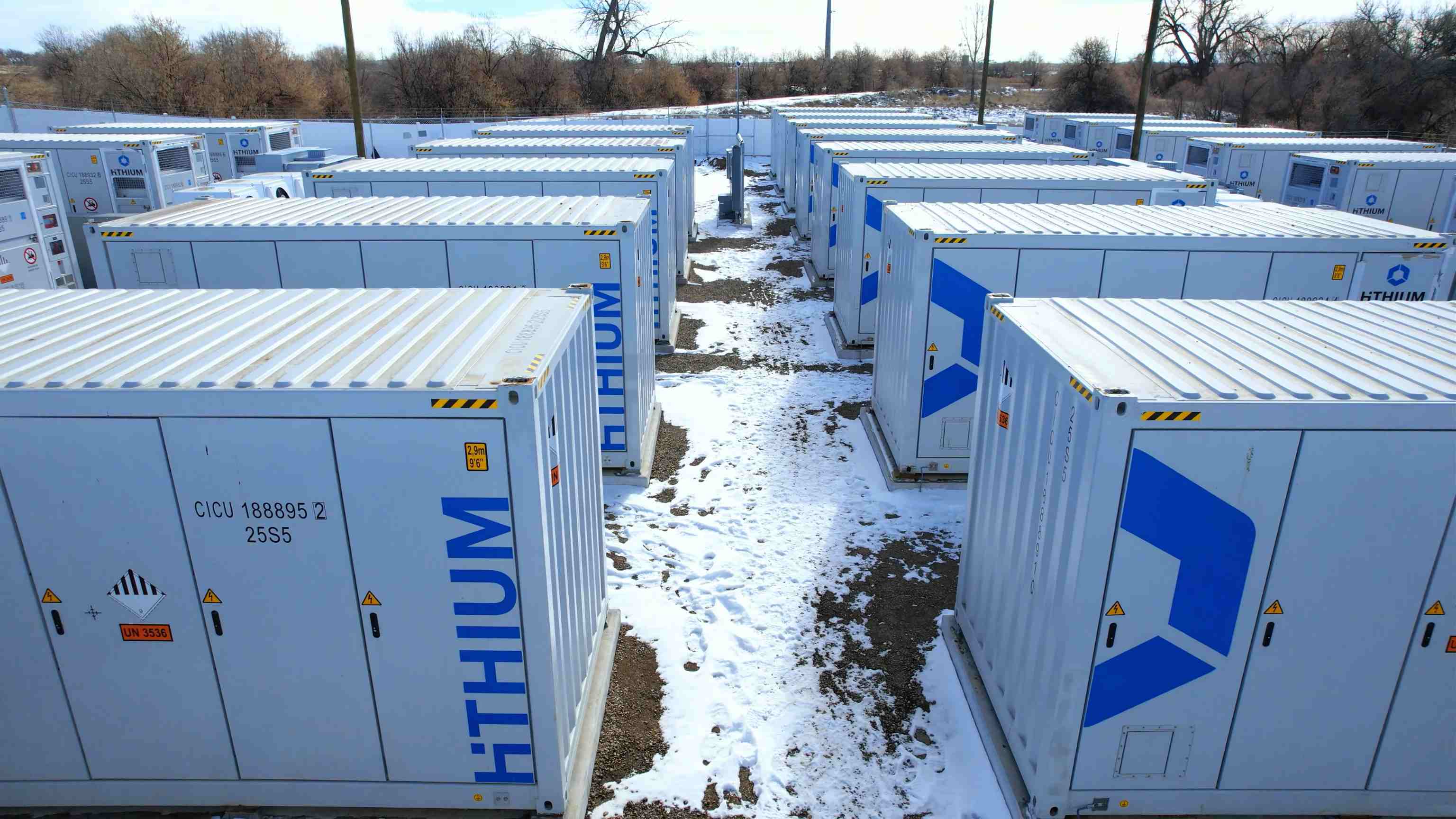
Here’s the tricky part: the pain is often hidden. It lives in mismatched controls, clumsy EMS rules, and poor airflow near the hottest racks. Trust me, this won’t bite; it’s fixable. But first we must see it. I’ve watched state-of-charge drift when metering lag hit 400 ms and then watched operators blame the cells. Not fair. The flaw was in timing and tuning. The fix came from better sensor placement and gentler ramp limits, not bigger gear. Let me show you where the friction starts—and then how we pick parts that fit together cleanly.
What’s breaking in the handoff?
New Principles vs. Old Habits: What Actually Changes the Outcome
Old habit: treat the battery as one big box. New principle: treat it as a living stack of parts that must talk fast and play nice—cells, racks, BMS, EMS, and grid interface. When we compare systems, I look for three shifts. First, grid-forming inverters instead of only grid-following units; they hold voltage during weak-grid events and reduce trips. Second, liquid-cooled LFP racks with verified thermal propagation tests (UL 9540A reports, not just slides). Third, edge computing nodes near the string level to cut control latency below 200 ms, so the EMS doesn’t chase its tail. I’ve seen utility scale battery storage systems jump from 90% to 92.5% round-trip efficiency when airflow and firmware were tuned together—small tweaks, real money.
Real-world compare. In Q3 2022 near Sweetwater, West Texas, we upgraded a 150 MW/300 MWh site from fixed-step dispatch to adaptive EMS curves. The site had 2.75 MVA inverters per block and 280 Ah LFP racks in 20-foot containers. Before the change, frequent trips during 30-second regulation calls ate 1.3% of monthly revenue. After we tightened filter settings, set ramp-rate guards, and added a faster plant controller, nuisance trips fell by 74% and we recovered about $118,000 per month. Different coast, same lesson: a Port of Rotterdam pilot in early 2024 used string-level temperature sensors and caught a cooling valve fault before it spread—one tiny reading avoided a shutdown. I still keep that trend graph pinned to my wall—because prevention beat repair by a full day of lost output.
What’s next
We’re heading toward systems that are both calmer and smarter. Grid-forming control will ride through flicker instead of tripping. EMS logic will learn the site’s real heat map, not a pretend one. And field teams will get alarms that actually matter—yes, fewer emails, more fixes. The best part is simple: choose parts that talk cleanly, measure fast, and fail safely. Do this and the rest follows.
How I Decide: Three Checks Before I Sign a Purchase Order
I don’t chase buzzwords. I use three checks I can verify in a day—no excuses. One: performance under heat. I test round-trip efficiency at 25°C and at 40°C with the same C-rate. If the drop is over 2.0 percentage points, cooling or firmware needs work—period. Two: control latency at the plant edge. I measure EMS-to-inverter command latency under a 1 MW step; if I see more than 200 ms median or jitter above 60 ms, we’re headed for wild state-of-charge swings. Three: grid behavior under stress. I run a 5% voltage sag and a frequency nudge and confirm ride-through per IEEE 1547. If the inverter hunts or throws harmonics beyond spec, we pause. I’ve pulled a system from commissioning at 3 a.m. for less—because a clean restart beats a dirty outage.
One more ground check from last winter: a 100 MW/400 MWh site in Kern County showed neat lab numbers but failed a simple black start drill. The culprit wasn’t the cells; it was a slow PLC task starving the breaker control queue—yes, the small line you’d think is harmless. We rewrote the task order, trimmed scan time by 35 ms, and the plant came up smooth. That’s why I prefer solutions that prove the basics with hard data on site, not just certification sheets. If you pick for fit, not flash, your operators will sleep better and your revenue will stop leaking out the side.
If you’re weighing options, here’s my short list: 1) prove efficiency at two temperatures and one wet summer day, 2) verify EMS latency and ramp behavior under a real 30-second regulation profile, and 3) confirm inverter ride-through with a logged sag test and clear UL 9540A reports. Do those three and you’ll avoid most of the silent failures. For a brand that publishes solid technical detail and keeps the conversation practical, I’ve had steady results working with HiTHIUM.
