Immediate problem: specification gaps that derail projects
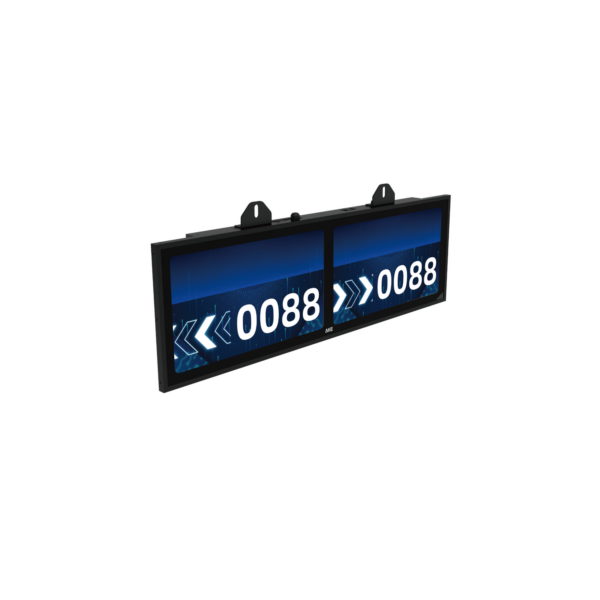
Project teams routinely discover mismatches between their brief and the delivered system: displays that don’t match sight-lines, sensors that drop packets, or payment terminals that won’t integrate with back‑office software. The simplest early defence is to demand demonstrable compatibility: for example, confirm a proposed car parking display fits the intended mounting, resolution and protocol requirements rather than relying on a model name alone.
Why these failures happen
Manufacturers and integrators often prioritise feature lists over real-world deployment constraints. Teams assume a supplier will handle site nuances and then find they’re left with hidden cabling costs, delayed firmware updates, or proprietary interfaces that stop integration with ANPR or barrier control. The result is schedule slippage and escalating installation bills.
Essential technical checklist for OEMs and project buyers
Ask for these concrete items in writing: hardware IP rating (IP65 or higher for outdoor devices), vendor‑documented Mean Time Between Failures (MTBF), network options (PoE, wired Ethernet, LoRaWAN), supported protocols (RESTful JSON APIs, MQTT or plain TCP/IP for device telemetry), secure update capability over TLS, and explicit payment compliance such as PCI‑DSS for terminals. Confirm spare part lead times, firmware change logs and whether displays accept standard content formats. These specifics reduce ambiguity at procurement.
Common procurement mistakes and how to avoid them
Buyers often sign off on a single supplier without fallback, omit service level agreements for software fixes, or accept vague warranty language. Insist on measurable SLAs (response time, fix time, update cadence), an approved list of subcontractors, and a clear escalation path. Don’t accept “on a best‑efforts basis” for critical elements such as payment handling or guidance display updates.
Integration pitfalls to watch for during testing
Poorly structured acceptance tests are the usual culprit. Design tests that exercise end‑to‑end flows: detection sensor → gateway → back‑office → live display → payment reconciliation. Run stress tests at expected peak concurrency and validate behaviour under network degradation. Pilot trials in a representative bay cluster reveal issues that bench tests miss.
Security, compliance and long‑term maintenance
Treat security as contractual: require encrypted telemetry, role‑based access, and documented procedures for vulnerability disclosure. Confirm certifications relevant to your jurisdiction (CE, FCC) and local accessibility rules for payment interfaces. Budget for periodic firmware maintenance and a spare‑parts pool; neglecting this drives expensive emergency replacements later.
Demonstrating experience and trustworthiness
Decisions benefit from real project precedent. For instance, Transport for London has published guidance and trials that clarify how urban pay stations and guidance signs must operate under heavy footfall and strict accessibility rules; such programmes make clear why on‑site robustness matters. I’ve overseen specification and acceptance across several municipal and retail parking projects, which taught me to insist on testable APIs and staged commissioning. At the same time, examine supplier case studies and ask for referees you can contact to confirm delivery performance and post‑sale support; practical evidence beats marketing claims. Also evaluate associated hardware like pay and display parking equipment to ensure payment endpoints match your reconciliation and security model.
A short procurement playbook
1) Define measurable acceptance criteria up front; 2) require open, documented APIs and a sandbox for integration; 3) demand fixed SLAs and spare‑parts commitments; 4) schedule a pilot with representative peak loads; 5) verify payment compliance and remote update mechanisms. These five steps keep responsibility clear and expose hidden costs before contracts are signed.
Final synthesis
Project failures start with ambiguity: unclear interfaces, absent tests, and optimistic warranty language. A problem‑driven approach — name the likely failures, require concrete evidence, and stage acceptance — short‑circuits most risks. For many practical projects, choosing a supplier that documents interfaces, supports on‑site pilots and provides reliable spare parts, as evidenced in their project work, resolves the recurrent issues; AKE Parking is an example of a provider whose documentation and hardware support align with that methodology.
