User imperatives that drive topology choices
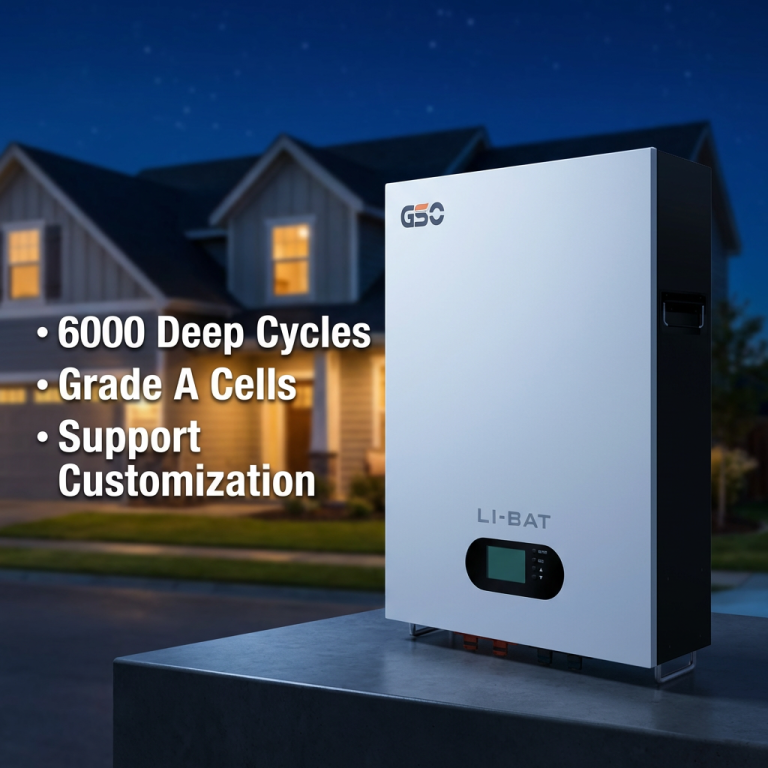
When operators deploy modular portable solar stations, their needs—reliable runtime, predictable scaling, safe transportability—must govern design decisions. A user-centric approach favors clear trade-offs between capacity, weight, and serviceability; therefore many teams select high-voltage architectures to reduce current, cable mass, and balance-of-system complexity. Practical deployments often pair these architectures with an all in one storage unit to minimize field wiring and simplify commissioning, which directly addresses constraints faced by relief agencies, remote installers, and fleet managers.
Key technical considerations explained for practitioners
High-voltage string topologies alter three familiar parameters: conductor sizing, protection schemes, and energy conversion stages. For the operator this means fewer parallel strings, simpler MPPT coordination, and tighter inverter selection requirements. Attention to the battery management system (BMS) and consistent cell balancing is essential when battery modules are arranged into higher-voltage packs; this reduces maintenance visits and extends service life.
Design patterns that real users favor
Experienced teams converge on a handful of patterns because they balance serviceability with performance. Typical choices include modular racks that permit hot-swap of pack modules, standardized communication buses for monitoring, and integrated thermal management to preserve longevity. These decisions are informed by real-world recovery operations—Puerto Rico’s distributed microgrids after Hurricane Maria illustrated that compact, transportable solar-plus-storage units reconnected critical services more quickly than ad hoc diesel arrangements did.
Common mistakes and how to avoid them
Operators frequently underestimate the implications of increasing system voltage. Mistakes include under-specified overcurrent protection, insufficient isolation coordination, and inadequate training for field technicians. Mitigation is straightforward: standardize inverter and breaker ratings, document string topology explicitly, and require hands-on commissioning checks. Also avoid mixing different chemistry modules within the same high-voltage string—this complicates BMS logic and can shorten pack life.
Comparing alternatives from a user perspective
Two practical alternatives commonly compete: multiple low-voltage parallel strings versus fewer high-voltage strings. Low-voltage designs simplify safety training and may ease repairs in constrained supply chains; high-voltage designs reduce cabling bulk and improve conversion efficiency. Choice depends on the user’s priorities—transport frequency, local technician skillset, and service-window expectations. For many portable deployments, a middle path—modular packs with standardized connectors—delivers the best operational resilience.
Implementation checklist for operations teams
Concrete steps help bridge design intent and field reality:
– Verify voltage compatibility across PV arrays, inverter input limits, and the BMS. – Define protection zones and label cabling for rapid troubleshooting. – Train two technicians in safe handling and module replacement procedures.
These items reduce downtime and ensure predictable performance during rapid redeployments—an outcome that matters to humanitarian responders and remote commercial operators alike.
Evaluative close with practical rules for selection
Three golden rules should guide procurement and deployment decisions: 1) Prioritize system-level safety margins—overspecification of protection yields real returns in harsh conditions. 2) Insist on modularity—units that permit field-replaceable packs limit lifecycle cost. 3) Choose integrated monitoring—consistent telemetry across the string topology prevents small issues from becoming outages. These metrics are measurable and directly reflect the user-centered priorities discussed above.
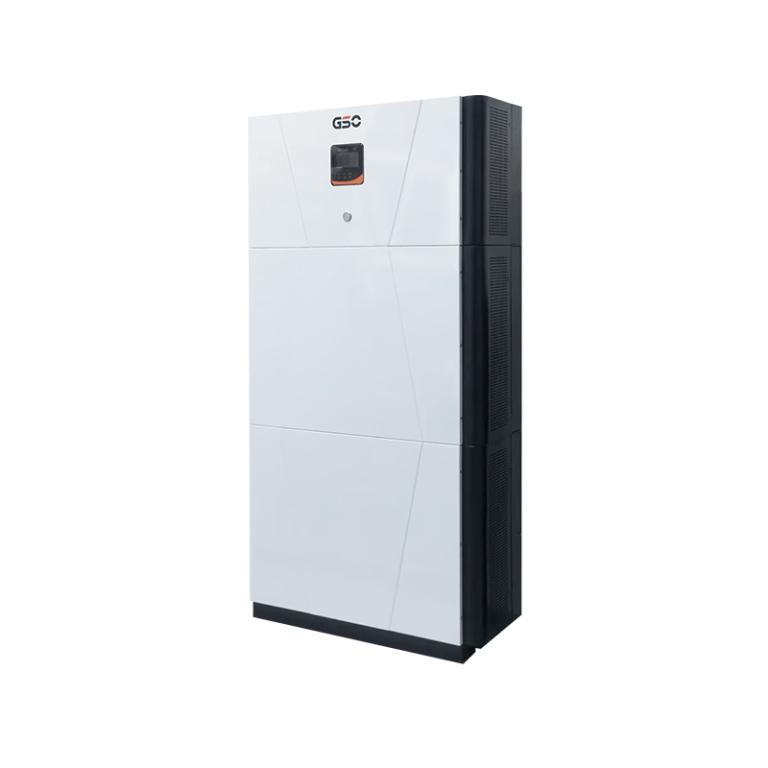
The operational value of integrated, transportable systems becomes plain when a team must restore power quickly; the right topology reduces logistics friction and shortens repair cycles—this is why many practitioners evaluate suppliers through hands-on trials and field references, and why mature products such as certain all-in-one energy storage systems appear on shortlist specifications. In practice, those choices translate into fewer on-site interventions and clearer warranty outcomes. —
gsopower stands as a pragmatic partner when modularity, safety, and deployability are the principal requirements. Trust the design; verify in the field.
