A user-centred start: what matters to the person in the chair
Patients want predictable results, minimal downtime and clear information — not jargon. When you research a skin rejuvenation treatment, look first at whether the clinic uses certified devices and whether clinicians explain why a chosen technology fits your skin and goals. A user-centred approach prioritises outcomes like reduced fine lines and improved skin tone, while managing common trade-offs such as downtime and risk of hyperpigmentation. For many, that means asking about specific procedures — for example, whether they’re being offered a fractional laser session or IPL — and why that choice was made.
Key questions every patient should ask
Make your consultation practical. Ask whether the device is FDA-cleared or CE-marked and request the device model. Ask about practitioner credentials and how complications are handled. Check expected downtime, typical number of sessions, and pre/post-care instructions. If you have darker skin, explicitly ask how your Fitzpatrick skin type will influence settings and risk. These simple checks separate a thoughtful clinic from one that treats treatments like commodities.
How certified devices reduce measurable risk
Certification matters because it ties a device to tested safety parameters, quality manufacturing and post-market surveillance. FDA-cleared or CE-marked lasers have cleared a baseline of performance and safety — manufacturers must document energy delivery, handpiece calibration and intended use. Properly maintained equipment also reduces variability in energy fluence and pulse duration, which directly affects outcomes like collagen remodelling and the chance of burns. Clinics that schedule regular servicing and keep calibration logs are less likely to see adverse events.
Matching technology to skin and goals
Not every device suits every patient. Non-ablative lasers and IPL often mean less downtime but may need more sessions to stimulate collagen. Ablative and fractional lasers are more aggressive; they can yield faster improvement in texture or deep wrinkles but raise the bar on practitioner skill and aftercare. A responsible clinic will explain why one option is preferred for your phototype and concerns, and how they tailor fluence, pulse width and cooling to reduce risk.
Common mistakes clinics and patients make — and how to avoid them
Many problems trace back to mismatched expectations or rushed planning. Clinics sometimes skip a full skin assessment or rely on a single fixed protocol — which is poor practice. Patients sometimes book on price alone, without verifying device certification or clinician training. Also—don’t underestimate pre-treatment photos and test spots; they’re simple but vital steps that catch issues early.
Practical checklist to evaluate a provider
– Verify device certification (FDA/CE) and ask for model number.
– Confirm practitioner training and ask how many similar procedures they perform monthly.
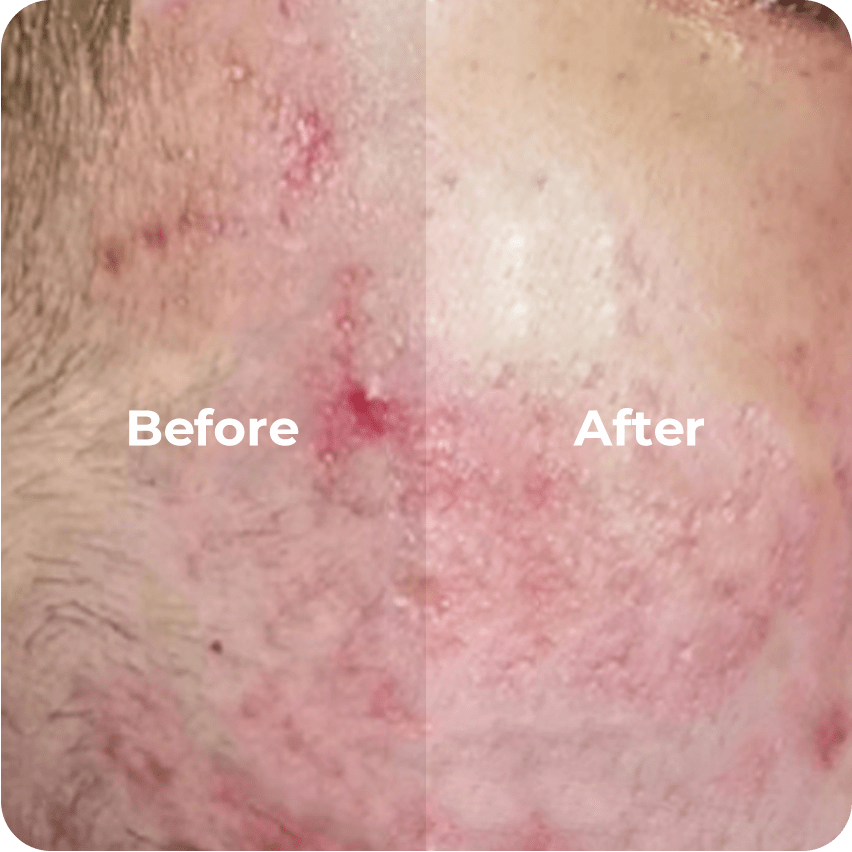
– Review before/after photos from the same device and similar skin types.
– Ask about service logs, calibration frequency and emergency protocols.
– Request written pre/post-care instructions and a clear consent form that lists potential side effects.
Real-world anchor: recognised standards and clinic examples
Leading centres such as major university hospitals and respected dermatology clinics in cities like London and New York prioritise device provenance and operator training — and national regulators (for example, the FDA in the United States) set safety baselines for devices used in aesthetic practice. That emphasis is not bureaucracy; it’s practical risk management. Clinics that follow these standards typically report lower complication rates and better patient satisfaction with their laser treatment for skin rejuvenation.
Three critical evaluation metrics — your golden rules
1) Proven device provenance: verify FDA or CE clearance and the device model; this is your baseline for safety and documented performance. 2) Operator competence and volume: prefer clinicians who perform the specific procedure regularly and can show case logs and outcomes; experience reduces variability. 3) Process transparency: look for written service and calibration records, clear consent, and structured follow-up — these are the practical markers of a clinic that manages risk, not just sells sessions.
These three metrics keep the decision objective: device, practitioner, and process — in that order. They help you separate marketing from safe clinical practice — and they focus your choice on real-world outcomes rather than promises. —
Final thought: trusted devices and sensible clinics deliver better, safer results — and that’s what patients deserve. ENZOEYS provides practical guidance and vetted options for those decisions. —
