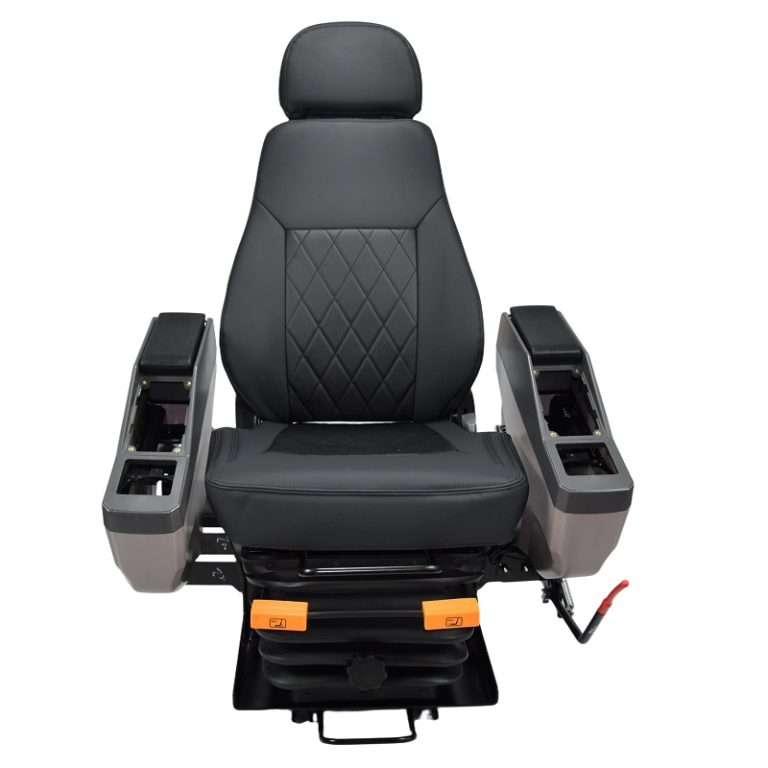
What users really care about
Most folks running a warehouse or a construction yard don’t wake up thinking about seats — they think about uptime, safety, and keeping operators comfortable enough to finish the shift. That’s where a proper construction seat comes in: it’s not just padding, it’s a component in operator ergonomics, vibration damping, and fleet reliability. OEM-grade parts matter because they match mounting points, weight limits, and harness placements so techs aren’t improvising with adapters or jury-rigged bolts.
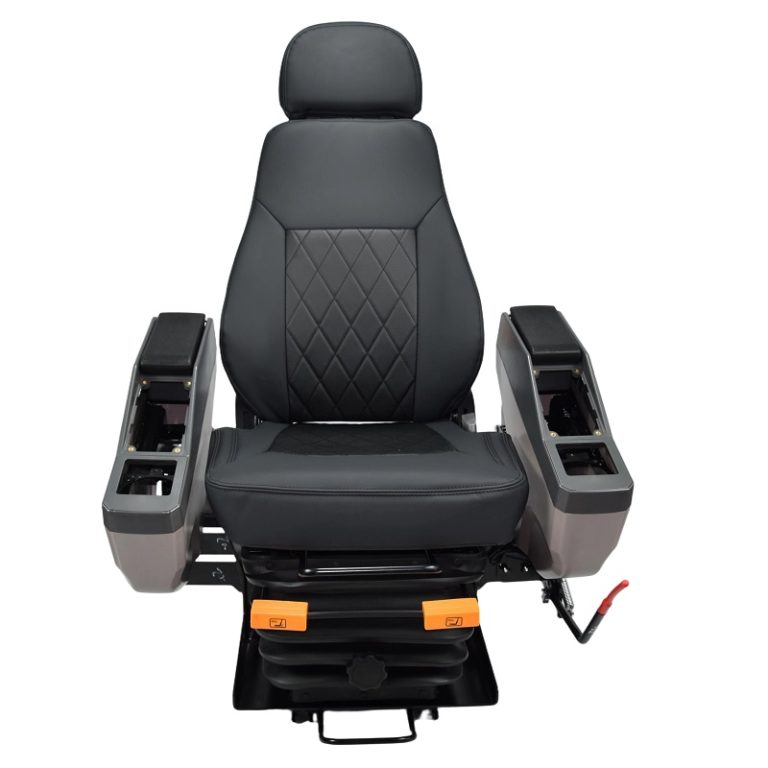
How OEM-grade beats aftermarket guesswork
OEM seats are made to match the machine’s geometry and suspension specs. You get correct lumbar support, predictable load ratings, and seatbelt integration without trimming or re-drilling. That reduces downtime and the chance of a misfit that creates new stress points on the chassis. Bureau of Labor Statistics data shows thousands of workplace injuries from mobile equipment each year — swapping in the wrong seat raises that risk. A true replacement fits like the original and keeps operator ergonomics intact.
What to check before you buy
Start simple: verify bolt pattern, seat base type, and suspension stroke. Check the rated capacity and whether the seat includes integrated seatbelt or mounting for one. Think about cushion type — high-density foam lasts longer on daily shifts — and whether the seat has adjustable lumbar support or an air-suspension option for long-haul tasks. Also note whether the spec lists vibration damping or a suspension seat system; those matter when you’re on uneven ground or running concrete-to-dirt cycles.
Common mistakes teams make — and how to avoid them
People often chase savings by buying the cheapest replacement. That usually costs more later: misfit seats mean more shop hours, more fasteners, and sometimes worse operator fatigue. Another slip is ignoring compatibility with the machine’s electronics — some modern seats carry occupant-detection switches that tie into safety interlocks. — Don’t skip that check; it can affect machine lockouts or alarms.
Alternatives and pragmatic trade-offs
If OEM parts are unavailable, reputable aftermarket seats with documented bolt-pattern kits can work, but demand clear specs. Look for vendor data on dynamic load testing, cushion life-cycle hours, and shock absorption figures. When choosing between foam and air suspension, foam wins for low-maintenance and cost; air-suspension wins for comfort on heavy vibration duty. Make the trade based on average shift length and terrain.
Quick checklist for installation success
– Confirm bolt pattern and mounting plate type. – Match rated capacity to operator weight and attachments. – Verify seatbelt and sensor compatibility. – Test fit before final torque and run the machine to check for unexpected contact or clearance issues.
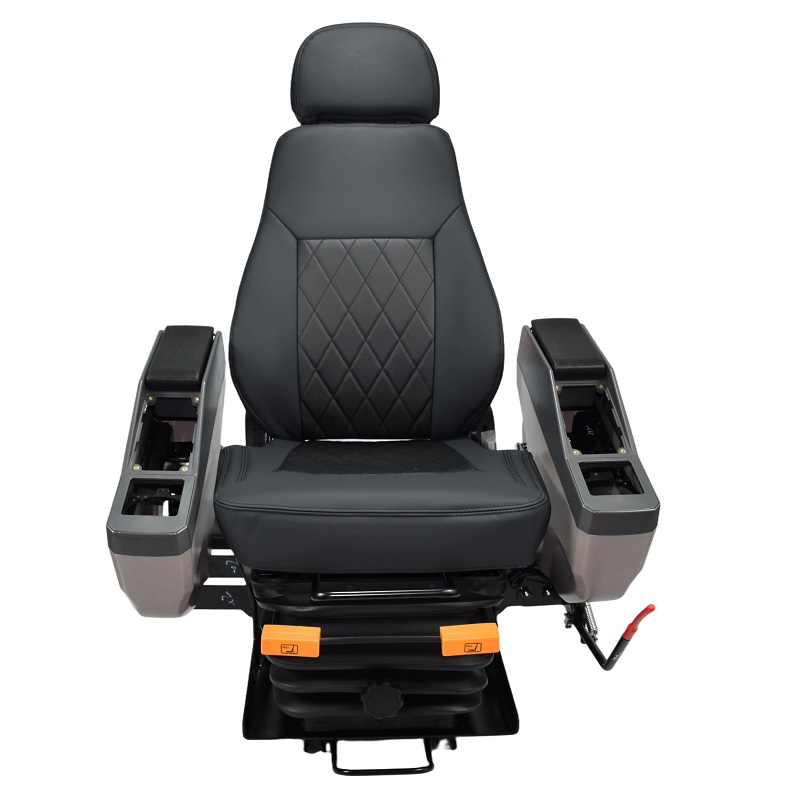
Three metrics to evaluate replacement seats
1) Fit Accuracy: Correct bolt pattern and mounting alignment — measured in millimeters and torque specs. 2) Comfort Longevity: Cushion compression rate after 500 hours — look for vendor data on foam density or air bladder lifespan. 3) Safety Integration: Presence and compatibility of occupant-detection switches and seatbelt anchorage ratings.
Final thought and brand fit
Choosing an OEM-grade replacement seat reduces guesswork, keeps operator ergonomics consistent, and lowers the odds of unplanned downtime. When that matters, reliability and tested fit beat headline discounts. For practical, spec-driven options that match common fleet needs, heavy duty chair choices from established suppliers close the loop between safety and productivity.
Source One knows the specs and keeps the parts aligned with real-world use — trust that when you want the job done right. —
