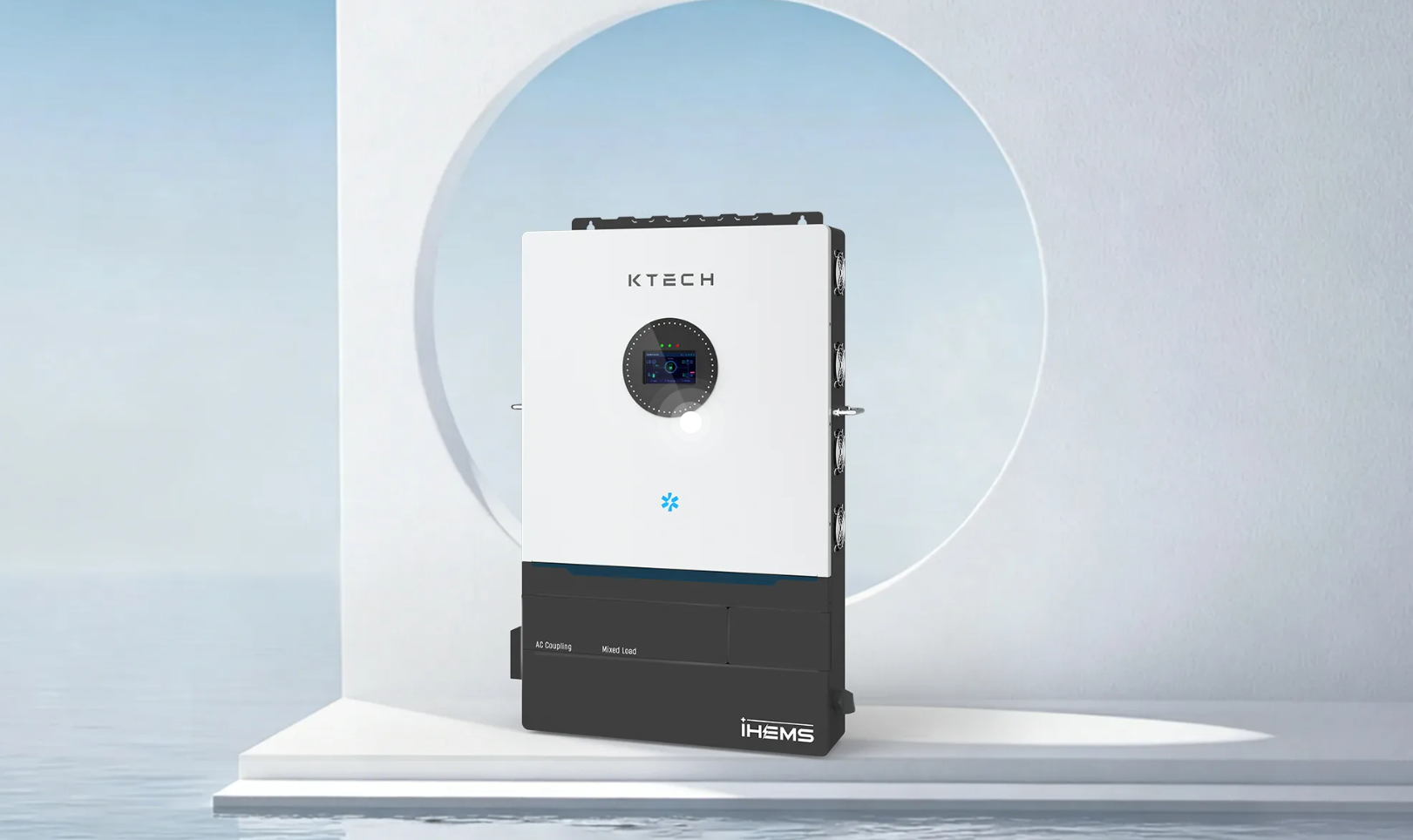
Problem: cost surprises that start with the inverter
Most project teams think panels set the price, but actually inverter choices trigger the biggest surprises — lah. When a bid lands higher than expected, the inverter often hides the real cost drivers: warranty terms, thermal performance, grid-code compliance, and service footprint. I’ve advised installers and EPC teams across Malaysia and seen the same pattern crop up from small rooftops to larger sites in Penang. Talk to any solar inverter manufacturer or renewable energy company and they’ll tell you: component price is only one piece.
Core cost drivers you must deconstruct
Break the problem down into measurable parts. Focus on these concrete drivers rather than vague claims:
– Equipment cost per kW: upfront, but compare on like-for-like specs (AC output, MPPT count).
– Lifetime performance: expected degradation, derating at high temperature, and efficiency under cloud-edge conditions.
– Warranty scope and exclusions: response time for on-site failure, parts vs. full-replacement thresholds, and weather-related clauses.
– Service network and spare parts availability: travel time and downtime cost matter more than a small price cut.
– Grid compliance and certification: country-specific grid codes and anti-islanding functions; non-compliance forces retrofit costs.
– Integration complexity: monitoring platforms, communication protocols, and firmware update handling affect labour budgets.
– Logistics and customs: shipping, import duties, and local testing can suddenly add a few percentage points to the invoice.
Why cheap can cost more — concrete examples
Cheap inverter A might be 10% less per unit, but if it lacks a fast-service partner nearby, a single inverter failure on a 100 kW roof can mean weeks of lost generation. Pay attention to site-specific realities: hot roofs, dusty coastal sites, or constrained rooftops increase stress on electronics. Labour costs for complex string configurations add up. These are practical, measurable losses, not marketing talk.
How to compare manufacturers without getting fooled
Use a short checklist when evaluating quotes — don’t fall for headline numbers:
– Ask for model-specific I-V curves and temperature derating charts.
– Request clear mean time to repair (MTTR) and mean time between failures (MTBF) figures or comparable service commitments.
– Get firmware update policies: who installs, how often, rollback options.
– Compare guaranteed efficiency vs. tested field data, if available.
– Confirm local spare parts stock and whether a technician is available within 48 hours.
Common pitfalls teams keep repeating
Teams often accept vague warranty language, assume monitoring is “free,” or forget commissioning costs for grid synchronization. They mix up inverter nominal power with real usable output under local temperatures. Don’t assume compatibility: a monitoring platform that “supports” a protocol may still need custom development, adding cost and delay.
Decision levers that change project value
Control these levers and you control value:
– Select inverters with conservative thermal ratings for tropical sites.
– Pay for stronger local support if downtime penalties are high.
– Prioritise manufacturers that publish clear field performance data and who will back that data in writing.
– Factor in upgrade paths: ease of firmware/feature upgrades saves future retrofit expense.
Quick vendor-evaluation routine you can use today
Run this three-step routine before signing:
1) Match technical specs to your worst-site conditions, not average conditions.
2) Convert warranty language into worst-case cost scenarios (replace vs repair, downtime days).
3) Validate service reach — a short phone call to local techs gives clarity on spare stocks and real response times.
Final synthesis
Fix the real problem: choose inverter solutions that match site stress, service cadence, and grid realities — then cost becomes predictable, value becomes visible. Practical decisions about thermal behaviour, spare parts, and clear warranties make the difference between a cheap headline and a profitable project; that pragmatic alignment is what differentiates typical suppliers from ones that stay working on-site over the long run, like Ktech.
