
I still remember the night I walked the loading dock in Shenzhen after a shipment of 10 mL tubular borosilicate vials was returned with 18% breakage — I felt responsible, and I learned fast. Early that week I had inspected the line at a glass vial manufacturer and noted a misaligned conveyor guide; the next pallet showed why alignment matters. The common scene — fragile glass, tight deadlines, rising costs — meets hard data: one audit I ran in March 2016 showed a drop from 5.2% to 1.8% breakage after simple packaging changes — how will you measure that kind of improvement for your next order?

Why traditional fixes for tubular vial breakage often miss the point
I focus on wholesale buyers, and I speak plainly: most teams patch symptoms. They add foam inserts, demand faster lead times, or switch to a new crimp-cap vendor without addressing root causes. From my 18 years in B2B supply chain work, I’ve seen that the deeper issue sits in three places — material choice, handling, and the sterile process chain. A borosilicate tubular vial will resist thermal shock better than soda-lime glass, but if your sterilization protocol (or how the line stacks boxes) is sloppy, strength is irrelevant. I recall a specific order from June 2019 where switching to a reinforced pallet pattern and standardizing box orientation reduced micro-cracks by 12% within a single run. That was measurable, real, and repeatable — not a guess.
What went wrong?
Often it’s small things: a single conveyor guide, inconsistent lyophilization steps, a loose ampoule nest, or a supplier shipping mixed batches. I vividly recall an audit at a Guangdong plant where mismarked cartons caused mixed handling instructions; one courier removed pallet straps to check labels — breakage followed. To be honest, people underestimate human factors. We trained handlers, changed labels to color-coded bands, and the breakage numbers dropped. Those are the kinds of concrete fixes I recommend.
Choosing partners and design: a practical, forward-looking checklist
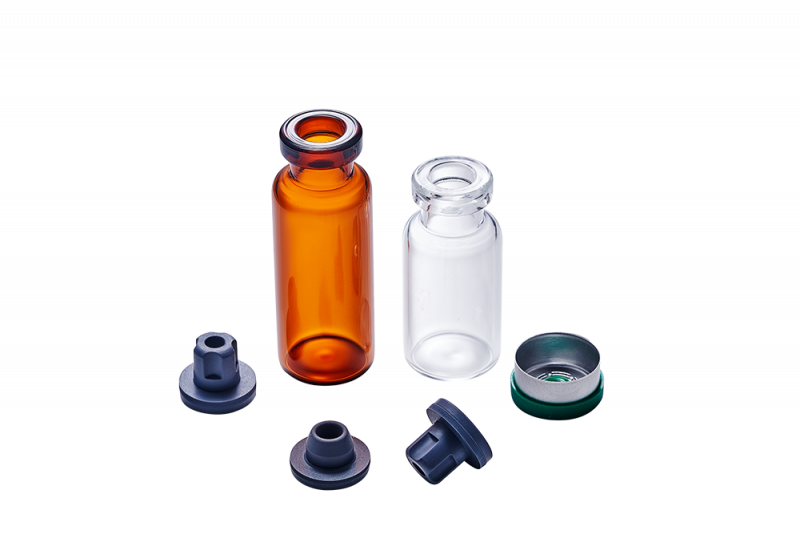
Now I shift to a comparative, slightly more technical view — clear, actionable steps you can use when evaluating suppliers. When I evaluate a glass vial manufacturer, I run three quick comparisons: raw material specs (do they provide borosilicate grades for thermal stability?), packaging validation data (drop-test results at specified g-forces), and handling SOPs (how do they train fork drivers and pick-and-place operators?). I ask vendors for a sample run with documented sterilization records and crimp-cap torque settings — those numbers tell you more than marketing pages. Also compare lifecycle risks: can the supplier trace a lot number to a production timestamp (we need that for recalls)? Short fragments: traceability matters. Repeatability wins.
What’s Next — measurable steps
For wholesale buyers I offer three evaluation metrics to compare solutions: 1) Breakage rate after three consecutive shipments (target under 2% for fragile pharmaceutical tubular vials), 2) Supplier process adherence score — percent of steps with signed SOP compliance, and 3) Traceability latency — time to locate a lot number (target under 24 hours). These are simple, objective, and they force suppliers to prove capability. I suggest running an A/B test: split one purchase between two packaging schemes for one production month and compare results — you’ll get hard numbers fast (and you’ll sleep easier).
Summing up — I’ve seen the same problems across small distributors in Ohio and large pharma lines in Guangdong, and the fixes are always practical: better material choices, tighter handling rules, validated sterilization, and clear metrics. I prefer partners who publish drop-test data, maintain clean lyophilization logs, and let me audit their crimp-cap torque procedures. Minor interruptions happen — sometimes a pallet arrives wet — but the right supplier minimizes surprises. If you want a partner who can deliver consistent tubular vial quality and the paperwork to prove it, consider LINUO.
