Introduction: Comfort Meets Traffic Reality
You want a bike that feels like a couch but moves like a cat. The cruiser motorcycle sits right in that wish. Many city corridors slow to 10–20 mph during rush hour, and weekends swing back to open highways—two very different asks for one machine. If you’re scanning for good cruiser motorcycles, you’re really weighing comfort, control, and cost over time. Here’s the big question for everyday riders and weekend roamers: can a laid-back frame still play nice in tight streets without losing that smooth, low-slung feel?

Let’s be practical. You want a low seat, calm ergos, and a friendly clutch. You also want safe brakes, predictable torque, and easy heat management when you’re stuck at a long light (we have all been there). The trade-offs can be sneaky. Rake angle, wheelbase, and gearing make a big difference when you weave, brake, and roll on. I’ll guide you like a steady co-rider—supportive, not pushy—so you can see what matters and what doesn’t. Short version: yes, balance is possible. But you need to know where older habits trip riders up. Let’s break that down next.
Hidden Friction Points People Miss
Where do classic favorites fall short?
Many “classic” setups favor a long wheelbase and generous rake. That calms the chassis at speed, but it slows turn-in. In tight lanes, you feel the bar effort first. A flat torque curve is great, yet if first gear is tall, you fan the clutch more in stop-and-go. Heat soak becomes real around the rear cylinder, and heavy pipes radiate onto your calves—funny how that works, right? ABS helps, but without a good front master and pad compound, lever feel stays vague. The ECU can smooth fueling, yet a poor fuel map still gives that low-rpm jerk. Look, it’s simpler than you think: small bits stack up.
Weight distribution is the next quiet culprit. A low seat is confidence. A low center of gravity is stability. But too much rear bias can lighten the front and dull feedback. That slows emergency maneuvers. Add a wide rear tire and you get more stability but slower transitions. A slip-assist clutch eases your left hand; without it, your forearm tires fast in city cycles. Belt drive cuts maintenance, but gearing choices still define parking-lot feel. All of this sounds technical because it is, yet it narrows to one kind move: find a setup that keeps your friction zone friendly, your brakes linear, and your steering predictable—every day, every mile.
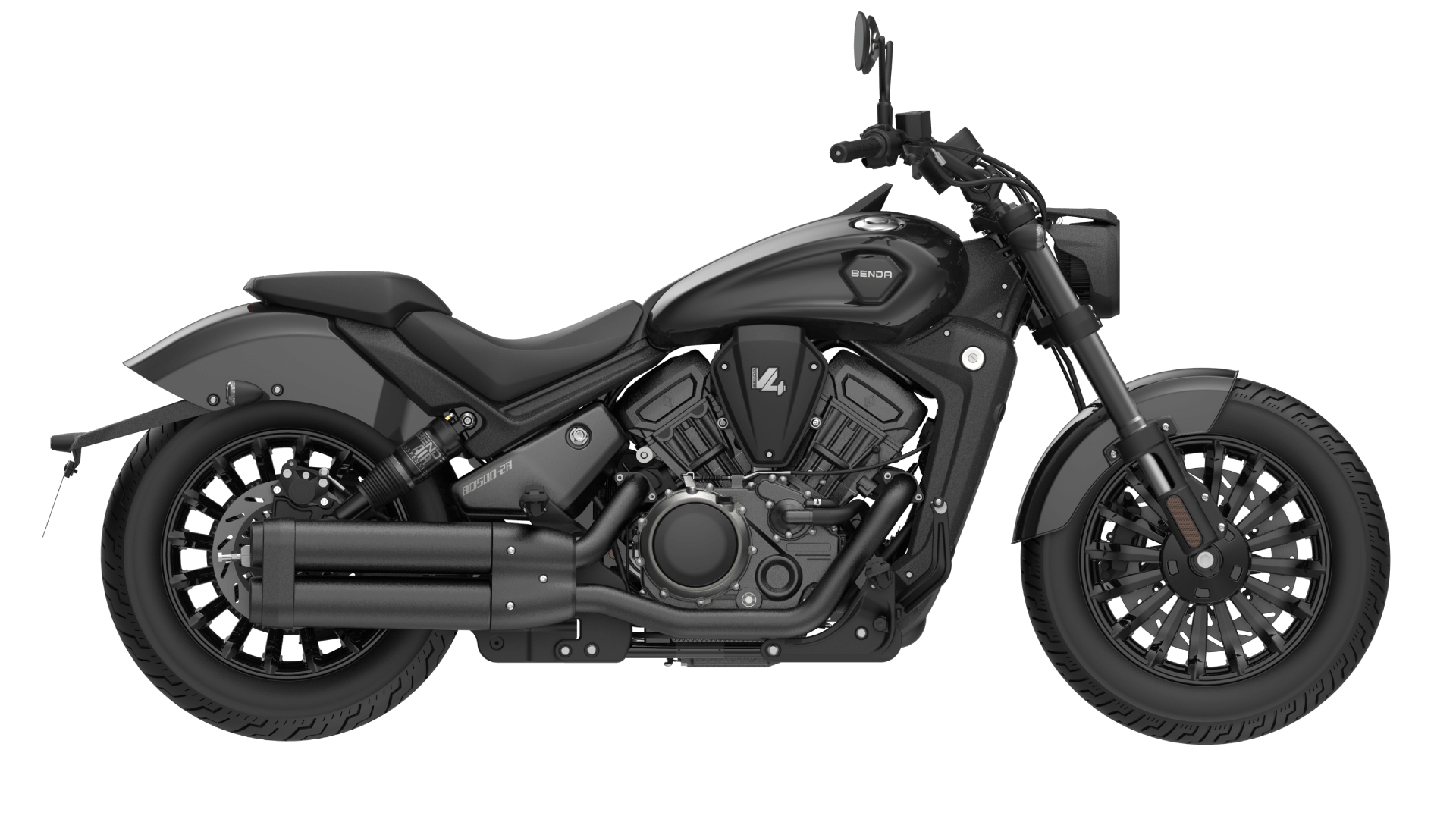
Comparative Outlook: Smarter Cruisers Ahead
What’s Next
The new wave blends calm posture with sharper responses. The trick is technology applied with restraint. Ride-by-wire trims fueling at low rpm for smooth takeoff. An IMU plus modern ABS gives stable stops, even when you trail-brake a bit into a corner. Liquid cooling controls heat in traffic. A well-tuned ECU on a clean CAN bus keeps throttle and traction control consistent. That means you can idle through a jam, then roll onto the bypass without drama. When you try a modern cruiser motorcycle, notice how the clutch engagement feels, how the bars settle mid-corner, and how the brakes bite—soft at first, then firm. Small details, big calm.
Looking ahead, expect lighter frames, better power-to-weight, and smarter modes that actually help. Urban mode may ease throttle ramps; Touring may stretch the torque feel and soften engine braking. LED lighting improves conspicuity, and slip-assist clutches protect your wrist. Some bikes add adaptive cruise for steady highway runs—useful, in the right hands. Not every feature will matter to you, and that’s fine. Compare how each system changes your ride at 15 mph and at 65 mph—two checkpoints, one rider. Then ask yourself: did it reduce fatigue and tighten control, or just add buttons? The best tech disappears under you—doing its work while you do yours.
Let’s wrap with three simple evaluation metrics you can use on the lot: 1) low-speed control: check the friction zone, first-gear pull, and front-brake feel; 2) heat and weight behavior: idle for a few minutes, then execute two slow U-turns; 3) chassis feedback: note bar effort and return-to-center in a gentle slalom. If a bike scores steady on those, the rest is style and fit. You’ll ride more, stress less, and keep your weekends open for the long way home—just the way a calm, capable cruiser should be. For brand context and future models, keep an eye on BENDA.
