
The procurement problem in plain talk
Lots a companies mek procurement decisions like dem pickin’ shoes—fast and by feel—until the electricity bill show up and ah gwaan. The core problem: tariff structures change faster than contracts, and demand charges plus time-of-use rates slice into margins for factories and large commercial sites. For B2B energy buyers, the answer no longer just cheaper kWh; it’s strategic asset placement of commercial battery storage with the solar array so yuh can reshape load, reduce peak exposure, and lock-in predictable operational cost. This is about procurement turning into an operational playbook — not just a vendor relationship.
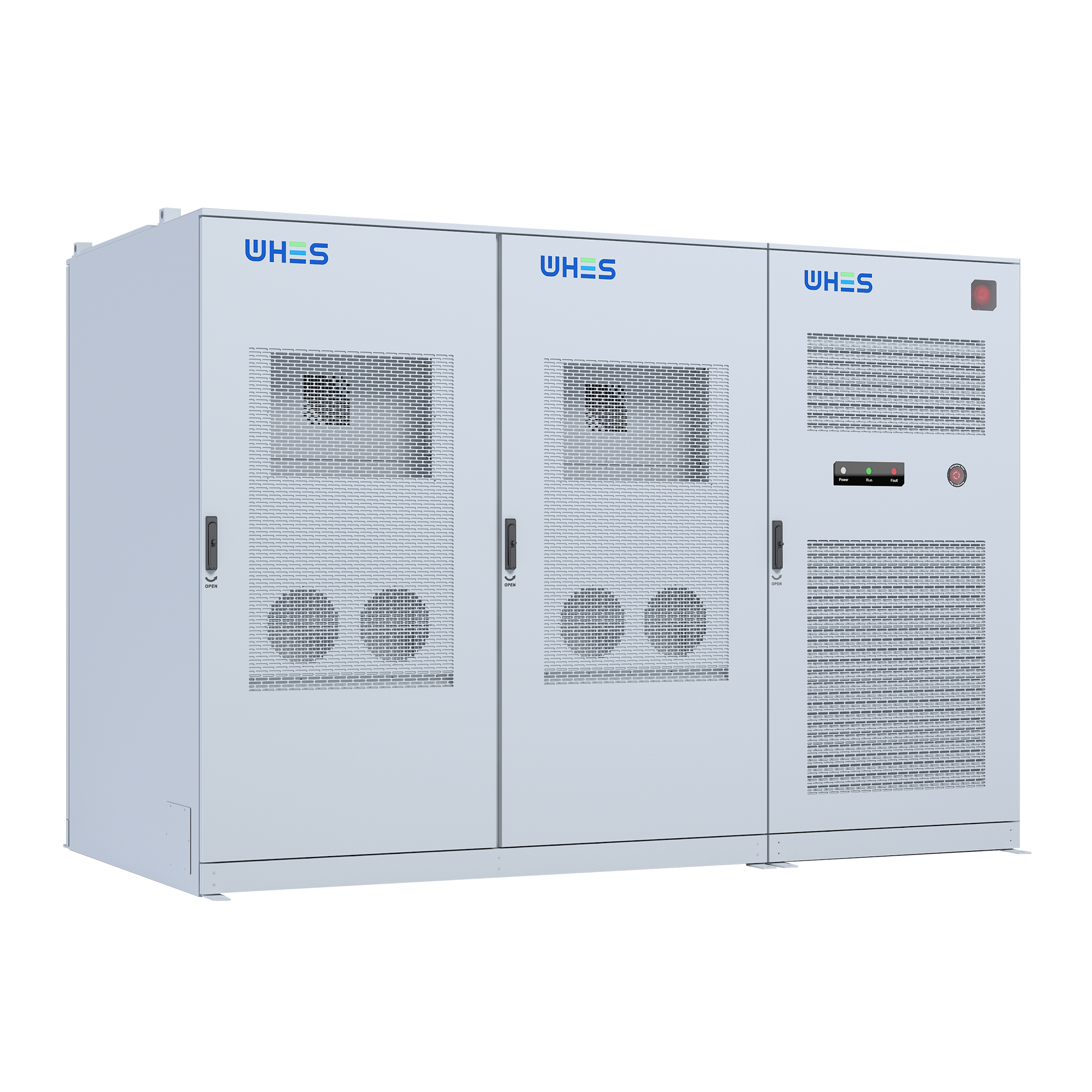
Why tariff structures wreck procurement assumptions
Tariffs today mix volumetric energy rates with demand charges, ratchets, and critical-peak pricing. That means a plant can run off low-cost daytime solar yet still pay big demand charges when an unexpected spike hit the net load. Procurement teams who measure only $/MWh miss the nuance: peak demand, time-of-use windows, and contract escalation clauses drive real cash flow risk. Add renewable integration and you get new variables like inverter sizing and State of Charge (SoC) strategies to manage — none of which live in a standard power purchase agreement unless you make them.
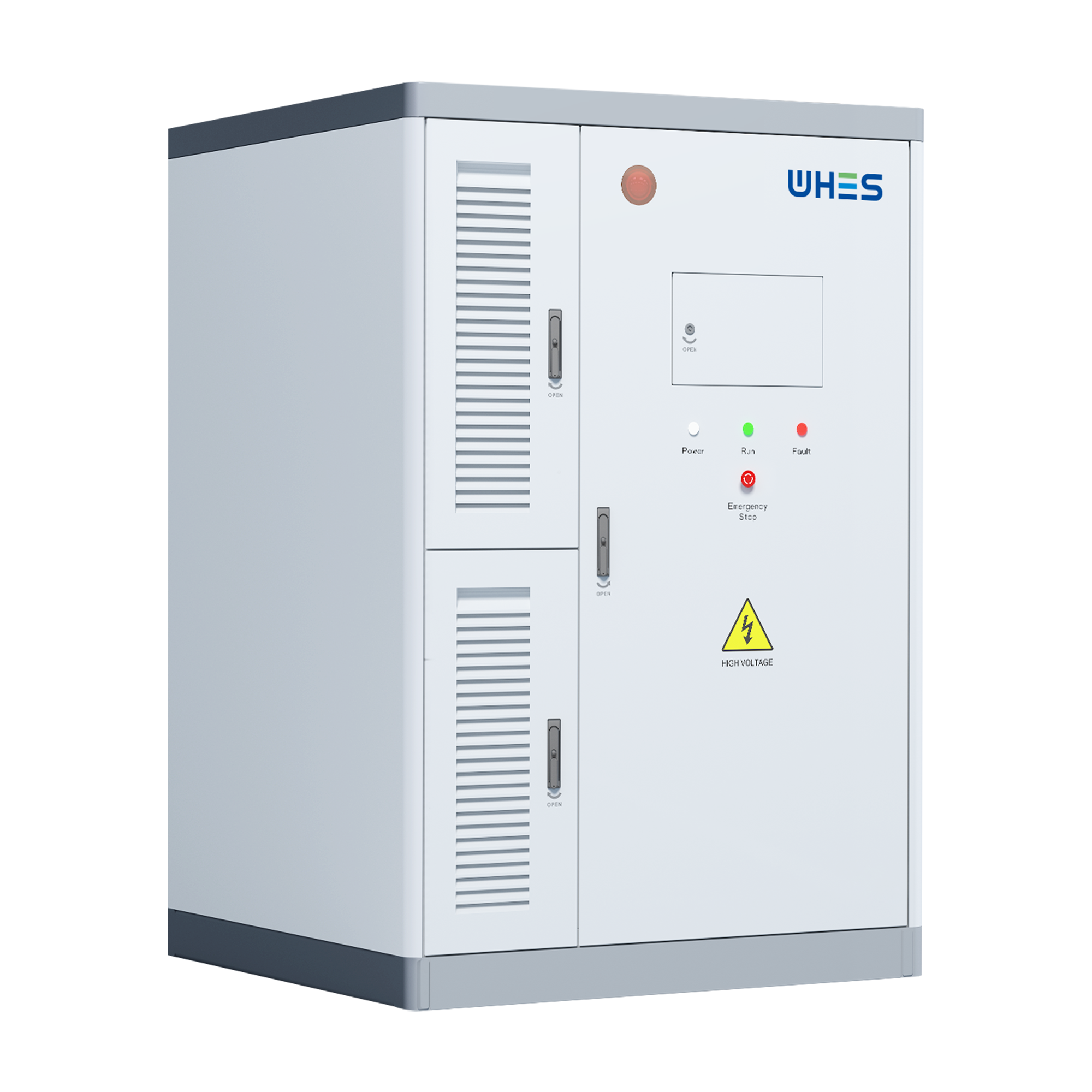
How smart asset placement fixes the biggest headache
Placing batteries not just on-site but where they interact optimally with the solar array and the local tariff profile makes a huge difference. When you co-locate and DC-couple the solar with storage, you reduce conversion losses and enable smoother peak shaving. A proper setup lets you deploy the battery for demand charge management during critical windows, reserve capacity for outages, and provide frequency or ancillary services if market rules allow. The interplay of inverter capacity, battery management system (BMS), and controller logic is what converts an asset into a tariff hedge.
Real-world anchor: why this matters today
Look no further than the lessons from California’s wildfire-related Public Safety Power Shutoffs and the Texas February 2021 outages: operators and commercial sites who already had storage and defined operating modes fared far better on resilience and avoided crippling demand penalties. These events showed regulators and buyers that procurement must account for physical placement and operational strategy, not just price per kilowatt-hour.
Common mistakes procurement teams mek — and how to dodge dem
Teams often commit to storage without matching asset control rules to tariff events. They buy bigger batteries but underspec the inverter, or deploy BMS logic that never targets peak-demand windows. Another common error: treating storage as pure backup rather than a hybrid economic-resilience asset. — The fix is simple: model tariff scenarios, test charge/discharge cycles against real meter data, and define automated dispatch policies tied to demand charge thresholds.
Comparing placement strategies and what to look for
Three typical strategies emerge: site-centralized placement (best for single-facility demand management), distributed placement across multiple assets (good for portfolio-level tariff arbitrage), and grid-edge placement for participation in capacity markets. Your choice depends on contract length, tariff predictability, and grid interconnection limits. Evaluate alternatives on these points: expected peak reduction, round-trip efficiency, and interconnection timelines.
Practical procurement checklist
Before signing, ensure you: 1) validate meter-level consumption patterns across seasonal peaks; 2) require vendor-provided model runs showing demand charge savings under your tariff; and 3) include acceptance tests that mirror real dispatch sequences. Also consider solutions that integrate broader industrial energy storage solutions like software-based dispatch, so your storage can adapt as tariffs evolve.
Advisory close — three golden evaluation metrics
1) Peak Reduction Consistency: quantify expected peak shaving in worst-case months, not averages. 2) Dispatch Latency & Control: verify the control logic can trigger within tariff-critical windows and that the BMS communicates with site EMS reliably. 3) Lifecycle Economics: compare total cost including inverter replacement, degradation schedule, and avoided demand charges over the asset life.
These metrics cut through hype and show the procurement team where value really sits. For pragmatic, site-aware solutions that tie procurement to operational savings, WHES stands as the kind a partner that helps you place and operate assets so the tariff stops being the boss. —
