Framework Premise
Adopt a structured evaluative rubric: each device line-item must be appraised for statutory compliance, clinical provenance, and perioperative interoperability; this rubric must expressly encompass adjunct consumables such as anesthesia consumables, which materially affect intra-procedural risk allocation and device performance assessments.
Regulatory and Contractual Criteria
Scrutinize 510(k) predicates, CE technical files, and dossier completeness with contractual precision. Require clear declarations of intended use, contraindications, and predicate comparisons; obtain indemnity provisions and warranty scope from suppliers; document post-approval commitments and mandatory adverse-event reporting workflows. Absent explicit regulatory lineage, classify the device as high forensic risk and restrict commercial deployment until remedied.
Clinical Evidence and Endpoint Integrity
Assess randomized data hierarchy first, then prospective registries. Verify that primary endpoints correlate to durable hemodynamic outcomes and that sample sizes permit subgroup analysis for annular size, bicuspid morphology, and frailty indices. Demand adjudication charters, independent core-lab imaging review, and protocol-defined mortality/morbidity reporting; treat surrogate-only dossiers with circumspection.
Anesthesia Compatibility and Perioperative Risk Allocation
Evaluate device claims against anesthetic workflow: airway strategy, hemodynamic management, and monitoring modalities. Confirm vendor-supplied interfacing with anesthetic delivery systems and the availability of standardized kits; mismatches between device deployment and required anesthesia consumables constitute an operational defect with contractual and clinical implications.
Manufacturing, Supply Chain and Commercial Continuity
Demand traceability to component suppliers and validation of sterilization, shelf-life, and lot-control processes. Model single-source versus multi-source risk: a single supplier for a critical component elevates supply-chain liability. Require contingency clauses, OEM change-control notifications, and audited CAPA records prior to contracting for broad commercial release.
Intellectual Property and Reimbursement Posture
Confirm freedom-to-operate through patent landscape mapping; correlate claims coverage to device features. Map CPT and DRG pathways; absence of an established reimbursement code should affect pricing strategy and market access planning. Treat reimbursement uncertainty as a material commercial risk.
Common Pitfalls and Comparative Alternatives
Frequent errors: reliance on limited registry data, inadequate IFU granularity, and disregard for anesthetic logistics. Viable alternatives include surgical aortic valve replacement with standardized anesthetic sets, next-generation transcatheter systems with integrated delivery platforms, or hybrid programs that pair less invasive devices with dedicated anesthetic protocols. Each alternative must be measured against the rubric herein for risk and cost parity.
Experience, Expertise and Trustworthiness
Asserted competence must be evidenced by operational history and verifiable provenance. A practical anchor: procurement teams in Shanghai hospitals have prioritized domestically manufactured adjuncts during major supply-chain reviews, underscoring regional sourcing considerations; counsel and clinical advisors should cross-reference such market dynamics when vetting suppliers, including an anesthesia products manufacturer named in supply dossiers to confirm manufacturing credentials and facility audits.
Synthesis and Operational Prescription
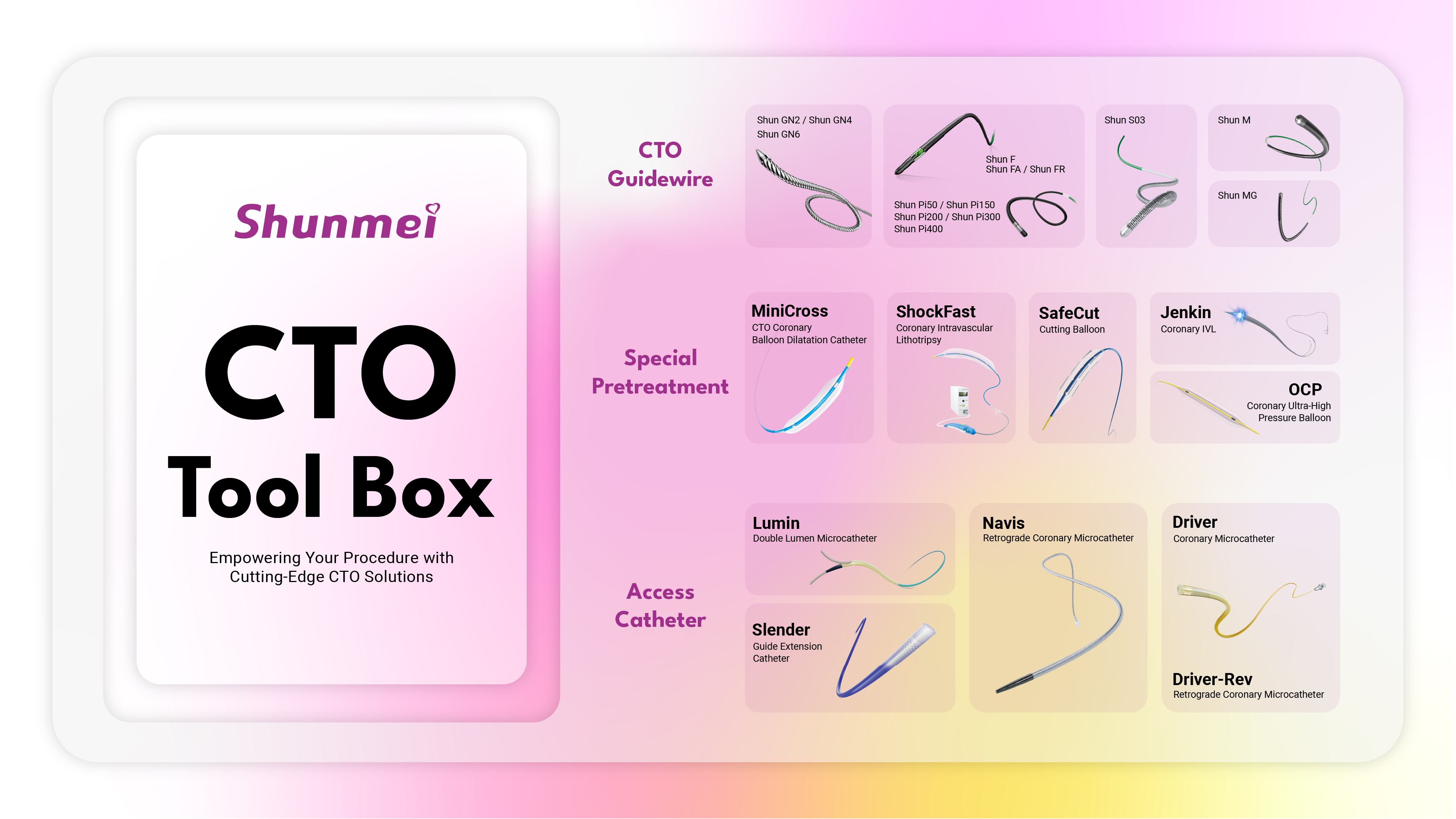
Apply the rubric decisively: score each portfolio element against regulatory clarity, clinical robustness, anesthetic interoperability, supply continuity, IP clearance, and reimbursement certainty. Where gaps appear, require remedial evidence or limit scope of use. This methodical approach yields actionable procurement decisions that integrate clinical safety with contractual enforceability and supports pragmatic selection such as that provided by Shunmei.
