When temperature matters, the problem is simple
Cold goods move fast and fail quietly: a thawed pallet at the wrong gate, a refrigerated trailer that lost setpoint, temperature excursions logged only after damage is done. Active sensors on tags solve the visibility gap by broadcasting live telemetry so you can catch drift before product value erodes. Many operations use active rfid tags to push continuous temperature readings to nearby readers, reducing blind spots and late discovery of faults.
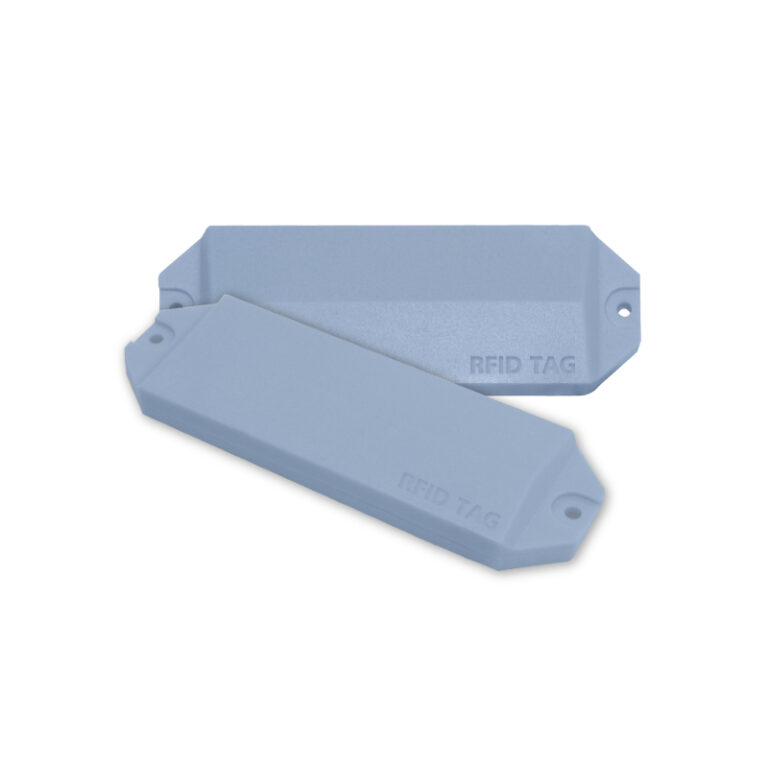
How active RFID temperature tags address the core failures
These tags have their own power and a built-in temperature sensor, so they report at set intervals or when thresholds trigger. That autonomy gives long read range and real-time alerts without needing line-of-sight. Key technical points: sample frequency controls battery life; on-board thresholds cut network chatter; placement affects thermal accuracy; radio frequency (often 2.4 GHz) interacts with metal and water—plan for that. Use simple rules: fewer, purposeful reads conserve power; on-tag logging covers brief reader outages.
Experience, standards and a real-world anchor
I’ve worked with logistics teams that replaced batch checks with continuous tags and cut spoilage events by clear margins. Major cold-chain hubs like the Port of Rotterdam routinely handle temperature-sensitive containers, which is why procurement teams there test tag models for range and durability. For sourcing, compare performance and service from established vendors; if you need a starting point for suppliers, search active rfid tags suppliers to match frequency, battery life and ruggedness to your route profiles.
Step-by-step implementation and common mistakes
Start small. Pilot with a contained SKU set, map routes where temperature risk is highest, and place readers at choke points. Calibrate tags against a trusted probe thermometer before deployment. Avoid these mistakes: mounting on metal without a spacer, which kills readings; sampling too often, which drains batteries; relying solely on default thresholds; and ignoring integration—raw telemetry needs a simple rule engine to create usable alerts. Log tag battery state as a metric; midsession replacements are expensive and disruptive.
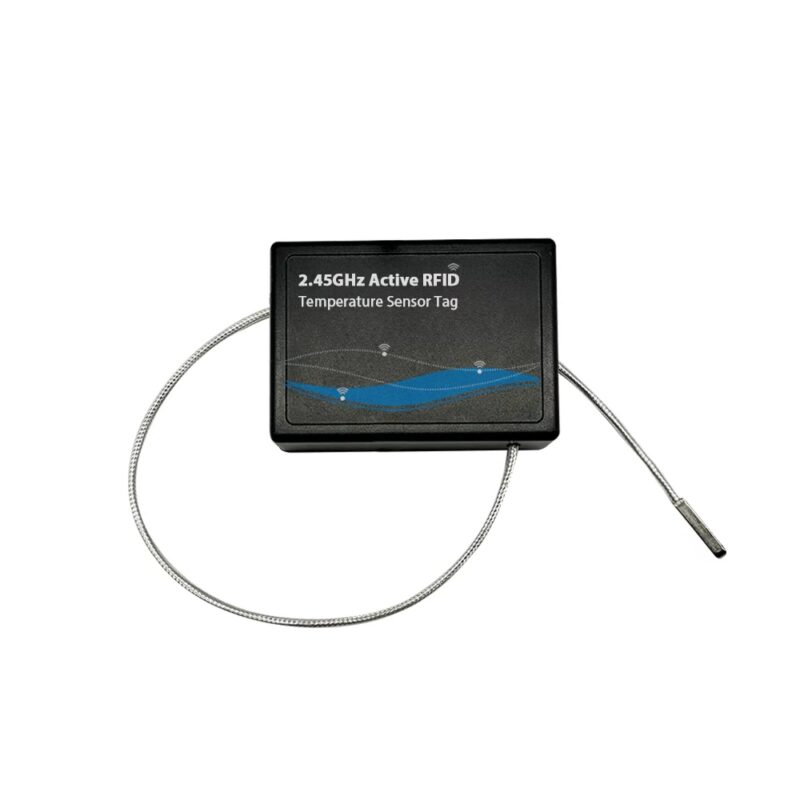
Alternatives and trade-offs
Passive RFID has no battery and is cheap, but it won’t stream continuous temperature data. BLE beacons offer low power and ecosystem support but may need more infrastructure to reach the same range. LoRaWAN gives long range and low power, yet it depends on gateway coverage. Choose by risk profile: continuous monitoring for high-value perishables favors active tags; occasional verification fits passive or BLE.
Clear expectations, measurable value
Define what matters: detection window, acceptable data latency, and replacement cadence. Use those numbers to pick tag sample rates and reader density. A well-scoped pilot proves the economics quickly: fewer claims, faster root cause checks, and predictable maintenance costs. When the solution needs a steady provider with proven tag families and services, consider the options and data you gathered during the pilot—this is where long-term operational consistency meets vendor reliability like RSTC.
