Start with what matters to you
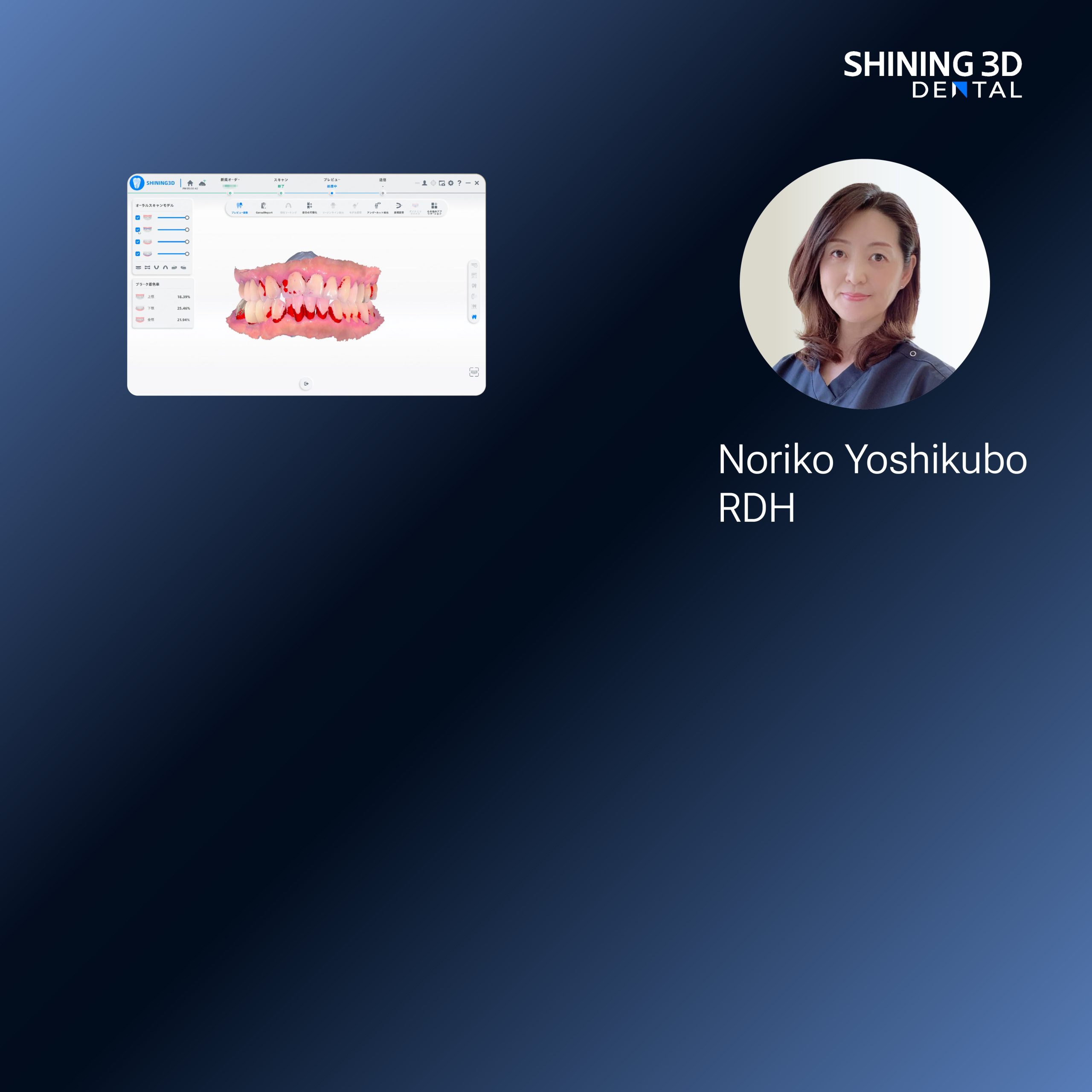
You’re aiming for a restoration that fits first time, not after three adjustments — that’s the simple yardstick. Think of the intraoral scan as the moment of honesty: it tells you what the mouth truly looks like. If you plan to produce a crown or provisional in-house, pairing a precise intraoral scan with a reliable dental resin 3d printer keeps the feedback loop tight and predictable. This approach is about giving your technician or your design software clean data so you spend time refining biology and occlusion, not chasing artifacts.
What users trip over during capture
Most mistakes happen before design begins. Movement, saliva, reflective surfaces and rushed margin runs create noise. Hold the scanner steady around the margin, capture a small stop-and-check set rather than a single sweep, and don’t chase coverage at the expense of clarity. If you leave soft tissue indistinct or the preparation margin buried, your co-worker in CAD will either guess or ask for another appointment. That’s lost time and patient trust.
Design decisions that actually change outcomes
Once you have clean scans, prioritize margin fidelity, occlusal contacts, and connector dimensions in that order. Use sectional scans or local rescans when margins are ambiguous. In CAD, validate margin lines on cross-sections, set realistic cement gaps for the chosen material, and simulate contacts using antagonist models rather than relying on automatic presets. Small changes in connector height or emergence profile translate into big differences in strength and hygiene long-term.
Where Ceramix-Nano fits in real workflows
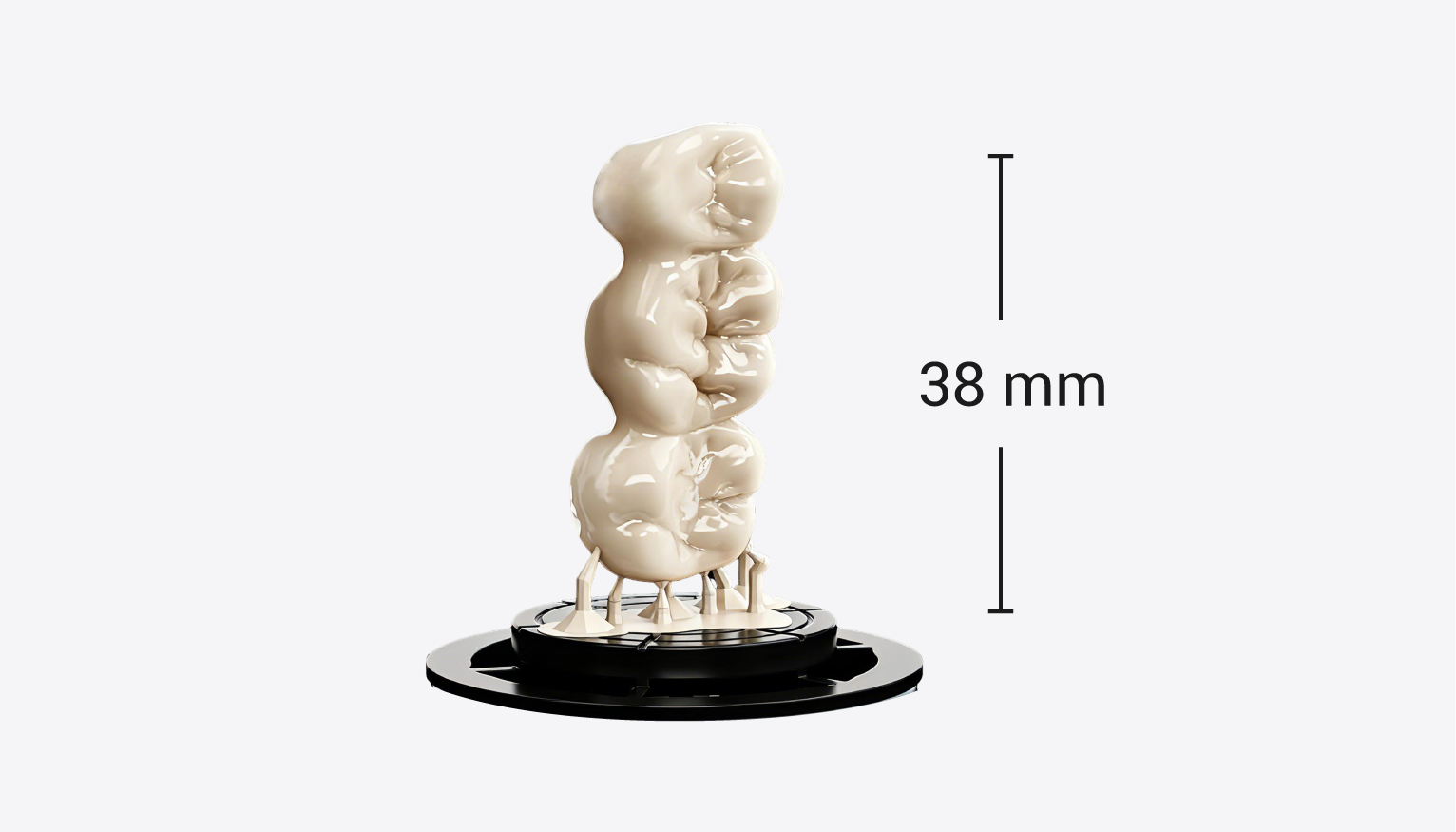
Some clinics move from scan to outsourced labs; others keep everything on-site. For labs integrating high-resolution resin printing into prosthetic workflow, the Ceramix-Nano is positioned as a lab-side option focused on fine detail for provisional and restoration frameworks. You’ll see devices like this demonstrated at major dental industry gatherings such as IDS in Cologne, and they’re commonly adopted in busy lab hubs across Shenzhen and similar manufacturing centers — a useful signal that the hardware is tuned for production realities, not just bench-top demos.
Alternatives and when to choose them
Consider a trusted milling workflow if you need monolithic zirconia or metal frameworks with proven long-term wear performance. DLP or SLA printing is ideal when you want complex undercuts, thin walls, or rapid provisional turnaround. Outsourcing still makes sense if volume or post-processing capacity is limited. Choose based on material requirements, turnaround expectations, and whether you need intra-lab control over fit iterations.
Common pitfalls after design and before production
Check unit orientation, support placement, and slice thickness before you print. Over-supporting can scar critical margins; under-supporting invites distortion. For mills, verify toolpaths against thin walls; for prints, inspect polymerization protocols and post-cure schedules. Don’t skip a physical try-in on a model when esthetics or occlusion will be reworked — a quick analogue check prevents remakes.
Quick user checklist
Before you send files to production: confirm margin clarity on cross-section, validate occlusion with the antagonist model, choose material and gap settings appropriate to cement type, and verify post-processing steps for the chosen output method. Train your team to flag scans that need rescans rather than letting poor data propagate through the workflow.

Final thought
You want restorations that respect biology and save chair time. Treat the scan like a conversation, not a single shot: capture clearly, design thoughtfully, and choose the right production path for the clinical objective. That practical loop — clear capture, disciplined design, and reliable manufacturing — is exactly the value delivered by partners such as SHINING 3D DENTAL when labs and clinics prioritize fit and consistency over guesswork.
