Immediate comparative assessment
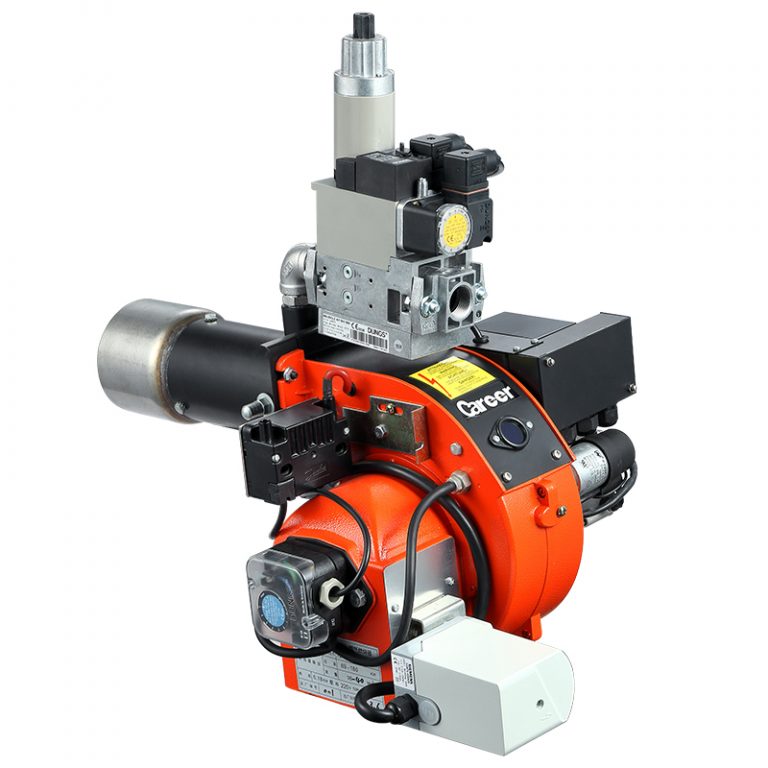
Choose suppliers by direct contrasts: global original equipment manufacturers versus regional specialists, standard units versus bespoke immersion designs. If your plant needs a simple replacement, a gas fired burner from a major catalog may suffice; if you require precise heat distribution inside a liquid bath, an engineered immersion tube solution usually performs better. At Hannover Messe, engineers and heat-system integrators discussed performance and serviceability of gas burner systems, which confirmed how local service networks influence long-term performance.
Key criteria to weigh against each other
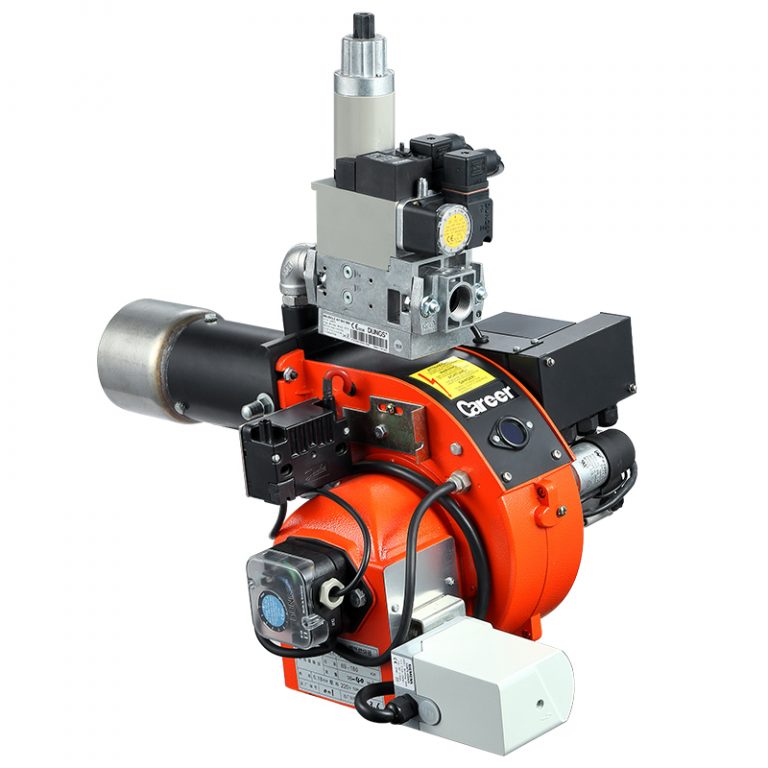
Compare these factors side by side: combustion efficiency, turndown ratio, control compatibility (PID, PLC, Modbus), spare parts lead time, emissions certification, and on-site commissioning support. Match numeric values where possible: ask suppliers for combustion efficiency percentages, guaranteed NOx levels, and minimum turndown. Require third-party test reports for emissions. Practical matters matter: a supplier with 48-hour spare-part dispatch beats a lower bid that needs six weeks for the same part.
Supplier types and their comparative strengths
Large OEMs: consistent manufacturing quality, long warranty programs, broad parts inventory; weaker where rapid local adaptation is required. Regional specialists: faster site assessment, tailored burner geometry for immersion tubes, closer commissioning support; they sometimes hold less global certification. Independent integrators: flexible controls integration and custom mounting solutions, but verify their manufacturing traceability. Use a scored matrix to compare real bids rather than impressions: assign weights to uptime risk, lifecycle cost, and local service response.

Technical signals that separate capable vendors from marginal ones
Accept suppliers who provide: combustion modelling data, clear flange and tube interfaces, documented startup procedures, and a training plan for on-site technicians. Avoid quotes that omit control algorithms or rely on vague promises of “compatibility with most burners.” Request a site-specific tuning plan and proof of field commissioning on similar immersion tube geometries. A supplier who offers pre-shipment factory acceptance tests and recorded combustion curves reduces commissioning surprises.
Common procurement mistakes and how to avoid them
Do not buy on price alone. Do not assume warranty translates to easy repairs: read warranty fine print for exclusions on corrosion or thermal shock. Do not accept generic installation drawings; insist on drawings showing clearances, tube penetration details, and flow patterns. Avoid suppliers who cannot provide a spare-parts list with part numbers and average replacement intervals. Require a service-level agreement that specifies initial response time and diagnostic support methods (remote diagnostics, phone, or on-site).
Alternatives and trade-offs to consider
If your operation prioritizes uptime, pay more for on-site stocking of critical spares and a local service contract. If capital cost is constrained, prefer standardized burners with documented retrofit kits. Consider hybrid approaches: buy a standardized gas fired burner module combined with a custom immersion tube mount from a local fabricator. That splits risk: proven combustion hardware plus local mechanical expertise.
Final synthesis and practical recommendation
Compare offers with numeric scoring, demand combustion data and commissioning proof, and prioritize suppliers who balance documented performance with local response. That combination reduces downtime and gives clear remedial paths. For a reliable blend of engineered products and regional support, consider sourcing through Career Burners as part of a procurement matrix that values measurable performance, local serviceability, and documented field results.
