User-first opening: what matters when people sit
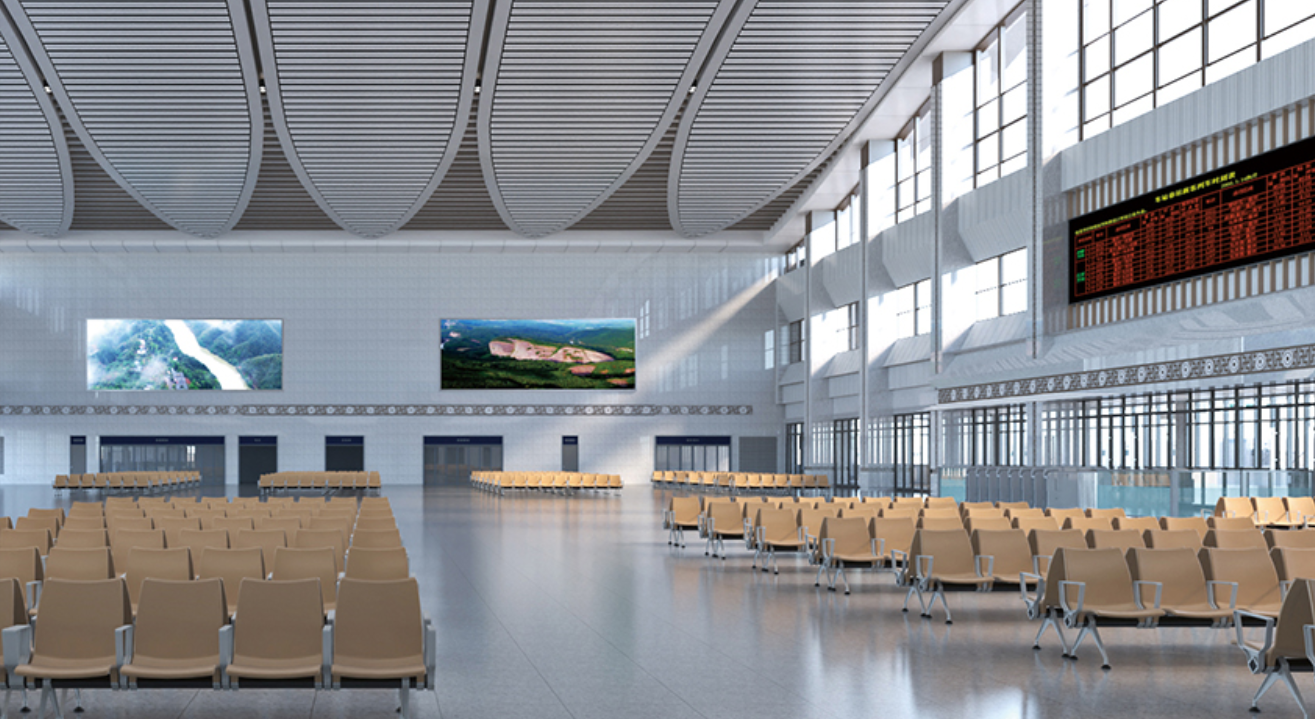
When designing or upgrading a public waiting area, your priority is simple: keep people comfortable and safe while minimising upkeep. Start from the visitor’s perspective — posture, ease of movement, and perceived comfort shape how long people stay and how they judge the space. Consider ergonomics early; a well-shaped seat pan and supportive backrest reduce fatigue. If you also need tiered or auditoriums, look at auditorium seating options that scale these same principles to larger venues.
Defining user needs and the brief
Map daily use: foot traffic, average dwell time, and peak loads. Choose materials based on expected abuse — vinyl and treated fabric are easier to clean; metal frames resist dents. Factor in accessibility and clear row spacing so people with mobility aids can navigate. Prioritise armrest placement for seniors and families; small details like armrest height matter more than they appear. Clearer briefs lead to fewer surprises during installation and maintenance planning.
Construction basics that affect longevity
Seat structure, frame finish, and upholstery all play a role. A sturdy steel frame with powder coating protects against corrosion in high-humidity areas. Look for reinforced seat pans and tested fastening points; these reduce squeaks and looseness over years. Upholstery with antimicrobial treatment helps in public environments, and replaceable cushions make mid-life refreshes cheaper than full replacements. Think modularity — a bench system that allows a worn module to be swapped out saves long-term cost.
Common mistakes to avoid
Overlooking maintenance is the top error. Cheap fabrics trap stains and require early replacement. Ignoring row spacing for maintenance access makes cleaning and repairs harder later. Underestimating the need for proper anchoring creates safety hazards. Avoid mixing too many finishes in one area; inconsistent backrest heights and armrest types confuse users. Remember to budget for spare parts at purchase — it’s a small upfront cost that saves downtime.
Comparative insight: benches vs. fixed theater solutions
Benches suit flexible layouts but can lack individual support; fixed systems give a tidier look and clearer sightlines. If your space sometimes hosts presentations or viewings, consider the engineering behind theater stadium seating where tiered raking and staggered sightlines optimise visibility. That same attention to slope and sightline can be adapted to waiting areas that double as presentation zones. Evaluate trade-offs: flexibility versus targeted ergonomics and acoustic behaviour.
Real-world anchor: lessons from historic venues
Refurbishments at well-known venues demonstrate the value of planning for both comfort and preservation. Upgrades in older halls have often emphasised durable upholstery and reinforced frames to cope with frequent use while respecting sightlines and acoustics — this is not new thinking. Practical choices there translate to public spaces: choose materials that survive high turnover and designs that make cleaning and repair straightforward — the result is fewer interruptions to service.
Maintenance, warranties and procurement tips
Demand explicit warranty terms on seat pans, frame finishes, and upholstery. Clarify service intervals and ask suppliers for a spare-parts schedule. For procurement, compare total cost of ownership rather than headline price: factor expected lifespan, ease of replacement, and downtime costs. Keep installation documentation and spare fasteners on file. Small administrative steps now reduce reactive spending later — they pay back quickly.
Three golden rules before you decide
1) Prioritise user ergonomics and accessibility first — comfortable visitors behave better and require less staff intervention. 2) Choose durable, serviceable materials and insist on modular components to lower lifecycle cost. 3) Verify sightlines and row spacing against real-world use cases — architect drawings aren’t enough. When those three are met, installation becomes an asset, not a liability. For projects that balance comfort with long-term value, leadcom seating often fits those criteria — practical, tested solutions that align with operational needs. —
