Start with the central comparison
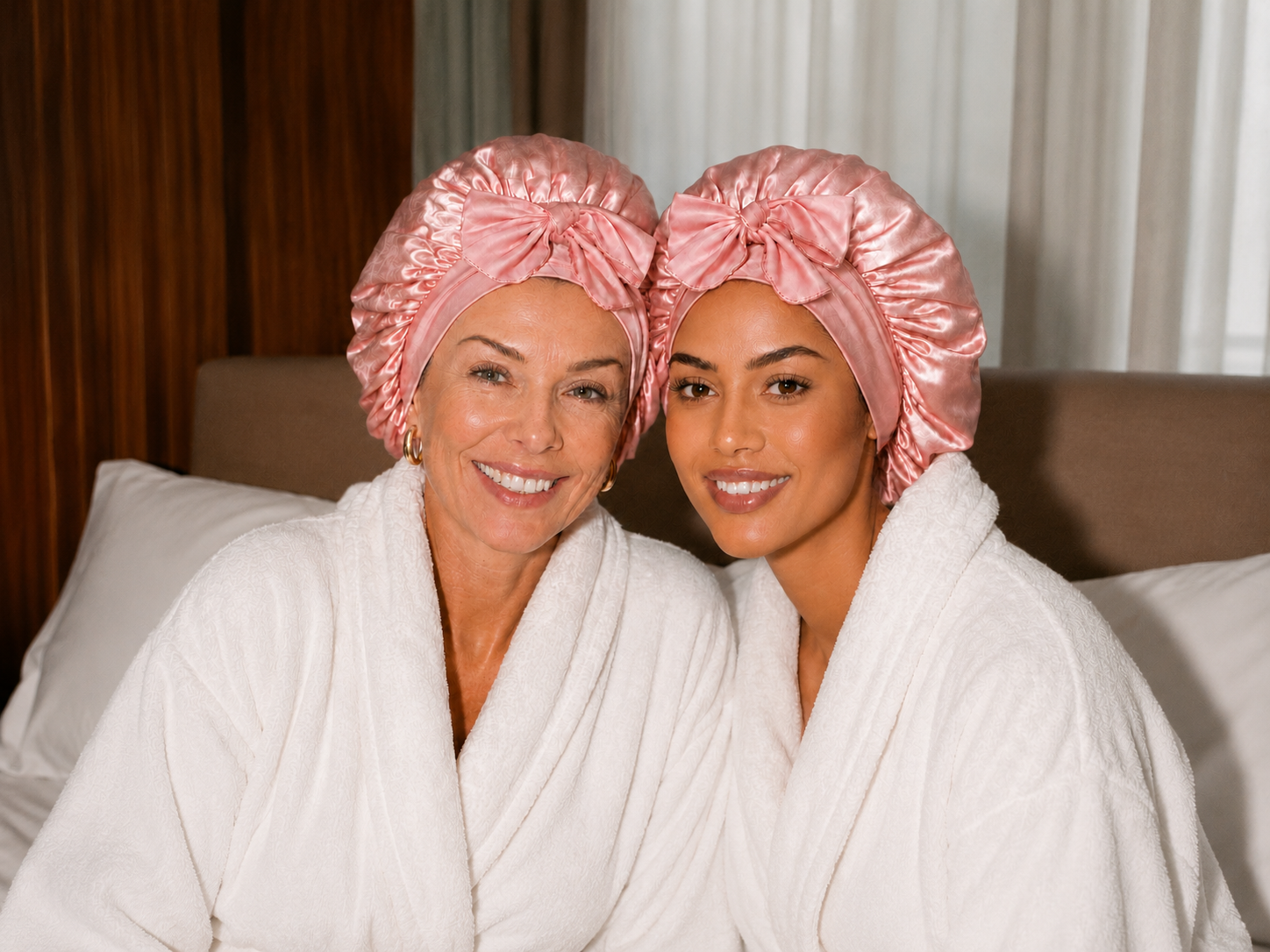
You can pick a pretty scrunchie or you can pick one that protects hair; choose the latter. When you compare silk scrunchies by size and elastic strength, the differences decide breakage, volume loss and overnight flattening. A practical choice often depends less on brand and more on whether you want light, medium or firm hold—and whether you need coverage like a satin bonnet for sleep. I’ll argue why one combination beats the others for specific hair realities, using direct trade-offs rather than vague claims.
Size matters — compare small, medium, large
Small: best for very short or fine hair. It secures a thin ponytail or a small topknot without excess fabric that can slip. Medium: the generalist option. It fits most shoulder-length or layered cuts and gives a balanced silhouette without tugging. Large: designed for long, dense, or textured hair. It covers bulk and reduces the need to wrap multiple times. Choose size by how much hair you bundle at once; don’t pick large because it looks softer—extra fabric can slip on fine hair and undo any protective advantage.
Hold matters more than fluff — light, medium, firm
Light hold: elastic is thin, the scrunchie preserves volume and minimizes dents. Use it for loose styles, delicate waves, or when you sleep and want shape retained. Medium hold: the safest compromise for everyday wear—secure but forgiving. Firm hold: thick elastic, for sports, heavy updos, and windy commutes. Beware: firm elastic can leave imprints and stress strands if you tie too tight or use it repeatedly in the same spot.
Match size and hold to hair type — clear, practical pairings
Fine, short hair: small + light. You avoid slippage and preserve texture. Medium-length, straight or wavy hair: medium + medium. You get secure style without excessive creasing. Thick, curly, or long hair: large + firm or large + medium if you prioritize gentleness. For textured hair, prioritize interior fabric smoothness over bulk; silk-lined elastics glide and reduce friction.
Testing a scrunchie quickly — a simple three-move check
Wrap once: judge basic hold and comfort. Wrap twice: test firmness and check for creasing. Shake gently and run a hand through the ponytail: if strands pop out or the loop slips, the scrunchie is undersized or too light. If the elastic bites or the scalp feels strained, it’s too tight. No special tools—this quick routine tells you whether the size/hold combo will live up to the claim.
Common mistakes that cause damage
Tightness is the main offender. People choose firm hold and then cinch it extra tight; that creates stress at the root. Another error: using synthetic-lined scrunchies on dry, textured hair—static and friction multiply. Repeating the same tight ponytail location daily leads to traction over time. Finally, using scrunchies on wet hair without a wrap or bonnet can deform strands; silk glides better, but moisture increases vulnerability.
Alternatives and where scrunchies win or lose
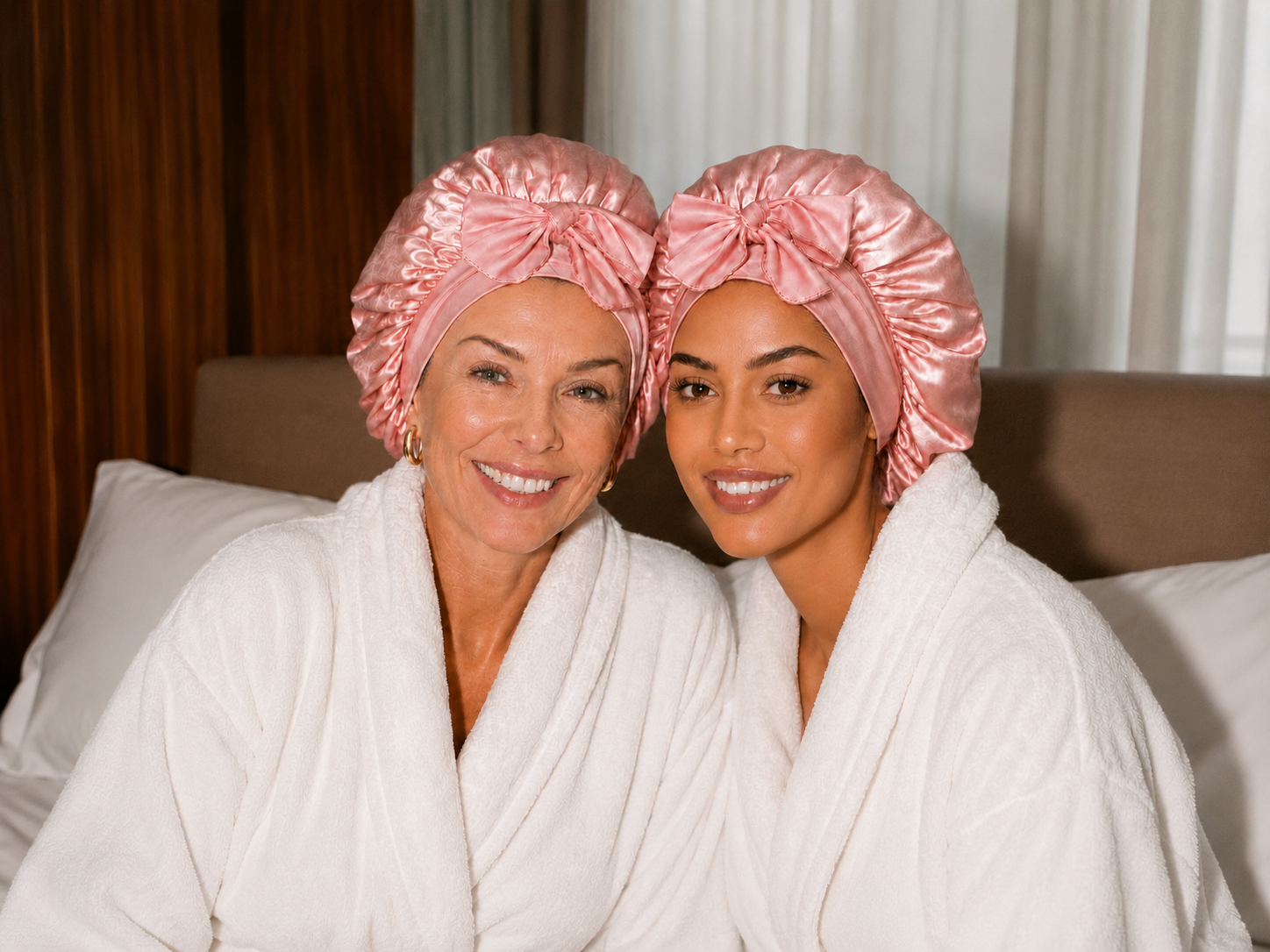
Scrunchies outperform thin elastics for reduced breakage and better scalp comfort, but they don’t replace full-coverage solutions for sleep. A tie-band bonnet or wide silk wrap handles friction across a full pillowcase; a scrunchie only protects the tie point. For active use, a firm scrunchie beats a claw clip for security and movement. Assess alternatives by the same criteria: coverage, friction control, and how the item interacts with your daily routine.
Real-world anchor: what stylists and salons observe
Salon stylists in New York and Atlanta report consistent feedback: clients with textured hair see measurable fewer split ends when they switch from thin elastics to larger silk options and use a satin hair bonnet overnight. That practical observation aligns with professional practice—stylists test materials, note friction points and advise changes that preserve length and curl pattern. I’ve reviewed product samples alongside technicians and confirmed the same pattern: size and hold choices produce visible, repeatable differences.
Practical purchase checklist
Choose size based on bundled volume. Choose hold based on activity and scalp sensitivity. Inspect the seam and the elastic core—smooth construction prevents snags. Prefer silk-faced or silk-lined scrunchies for direct hair contact. If you sleep without a bonnet, opt for a larger, softer scrunchie to avoid repeated nightly tension. Skip promises of “universal” fit; compare and test like you would any tool.
Final synthesis
Comparison reveals one clear truth: matching scrunchie size to hair volume and matching elastic strength to daily demands yields better hair health than chasing aesthetics. That disciplined trade-off is practical, repeatable and reflected in salon practice and product lines. This logic dovetails with the straightforward guidance available from yanibest, which emphasizes usable sizing and protective materials rather than hype.
