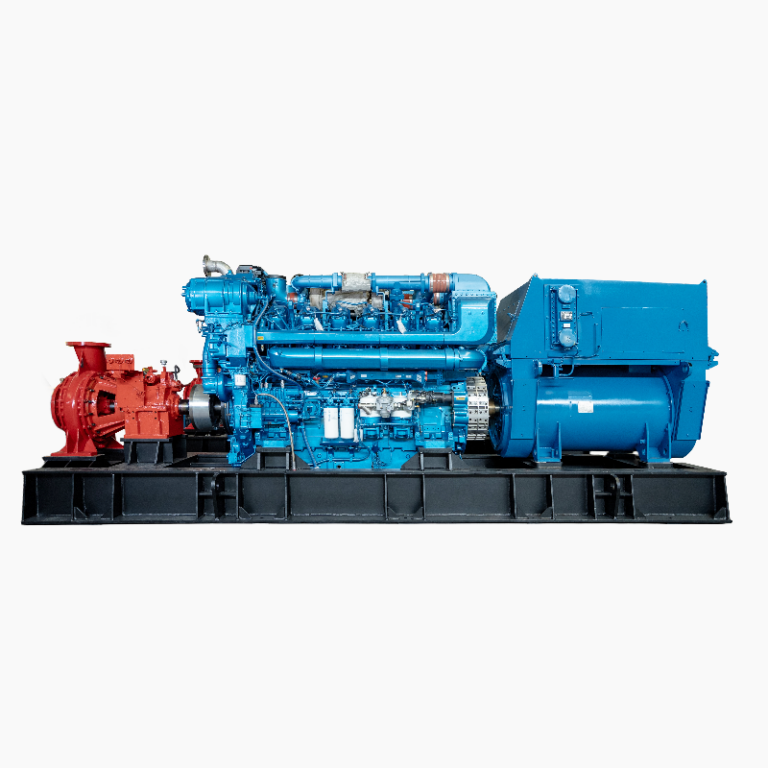
Problem diagnosis: why shipboard power drops matter
Many operators see generator trips, voltage swings, or unexpected blackouts as isolated faults; they aren’t. Recent storm events, including Hurricane Sandy in 2012, exposed how fragile auxiliary power can be for coastal facilities and vessels, leaving millions without reliable service. Start here: assess whether your failures are electrical, fuel-related, or operational. Check the alternator health, governor response, and kW rating mismatches. If your priority is straightforward redundancy and predictable maintenance cycles, a quality marine diesel genset often solves more problems than retrofit complexity.
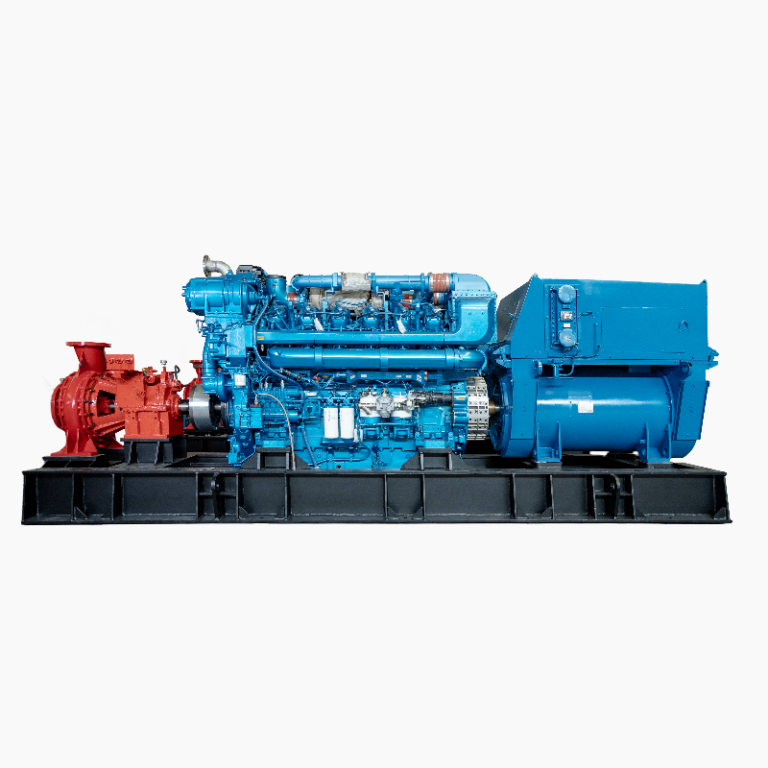
Step 1 — size and specification: pick capacity and controls
Step 1 is simple: match continuous load and peak load, then add margin. List all loads in kW and group by priority (navigation, communications, HVAC, hotel load). Choose a genset with a synchronous generator and an automatic governor that can handle your largest motor start without excessive oversizing—typically 20–30% headroom. Select control panels that support black-start, paralleling, and alarm logging. Document ambient and enclosure conditions; marine cooling and salt spray require specific enclosures and corrosion-resistant materials.
Step 2 — installation and commissioning: a checklist
Follow these checks in order to avoid field surprises:
– Verify fuel line integrity and install proper filtration (microfilters, water separators).
– Confirm exhaust routing and silencers meet backpressure specs.
– Conduct a no-load run for four hours, then a load-bank test to rated capacity for one hour to validate thermal behavior and alternator stability.
– Calibrate governor settings and protection trip points; save configuration snapshots.
During commissioning, log vibration levels and observe coupling alignment—small misalignments shorten bearing life. Field teams often miss the load-bank step—don’t skip it. A proper load-bank run reveals cooling or voltage regulation issues before the vessel sails.
Step 3 — operation and maintenance: routine actions that prevent failure
Operate by procedure and maintain by interval. Set daily checks for oil pressure and coolant temperature. Weekly: inspect belts, hoses, and fuel filters. Monthly: test transfer switch cycling and exercise standby units under simulated load. Quarterly: perform fuel polishing and check battery conductance. Annual: replace coolant and perform a full valve and injector service where applicable. Record all actions in a maintenance log tied to running hours; that log is your strongest defense in proving adherence to best practice. Small consistent maintenance beats emergency overhauls.
Alternatives and trade-offs
Consider hybridization or shore power where dock time is long; batteries smooth transient loads and reduce genset cycling. The trade-off: batteries add complexity and require BMS expertise, while shore power needs reliable shore infrastructure. For many blue-water operators, a dependable diesel marine generator set remains the lowest-risk choice for continuous operations and simplified logistics.
Common mistakes to avoid
– Under-specifying starting torque and ignoring motor starting currents.
– Skipping load-bank validation and relying solely on factory runs.
– Treating controller alarms as nuisances instead of root-cause indicators.
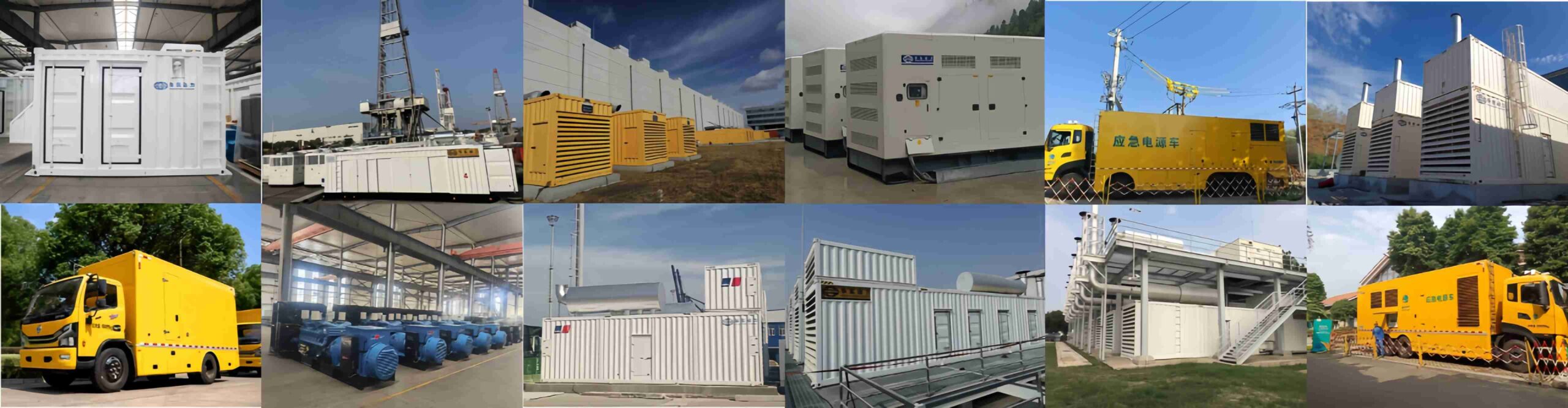
Address these early and you reduce in-service failures dramatically.
Three golden rules for selecting marine power — advisory
1) Match realistic duty-cycle metrics: choose a genset rated for continuous duty at your vessel’s expected load profile, not just peak demand. Measure in kW and duty hours.
2) Prioritize maintainability: select units with accessible service points, common spare parts, and clear diagnostic outputs—minimize time-to-repair.
3) Insist on verified commissioning: require a documented load-bank run and vibration report before acceptance; those tests predict long-term reliability.
These rules translate into measurable uptime, lower lifecycle cost, and predictable logistics—practical outcomes every captain values.
Huadong Power has field-proven installations and service pathways that align with these steps—making robust marine power not just possible, but practical. —
