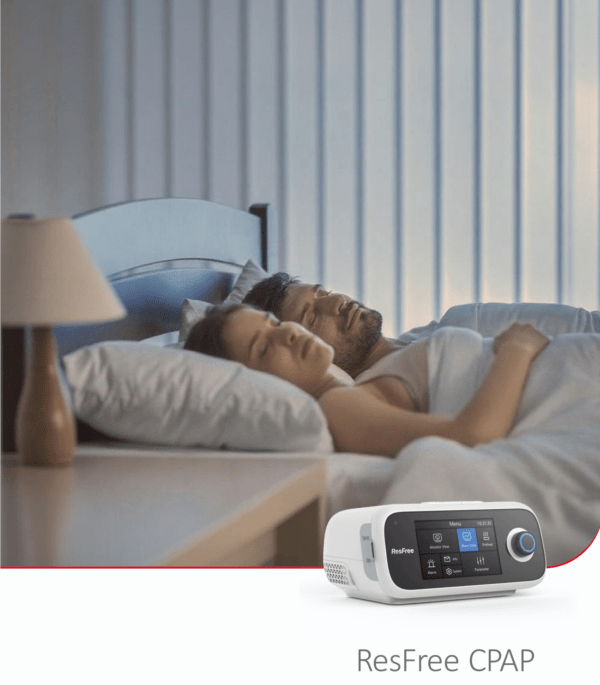
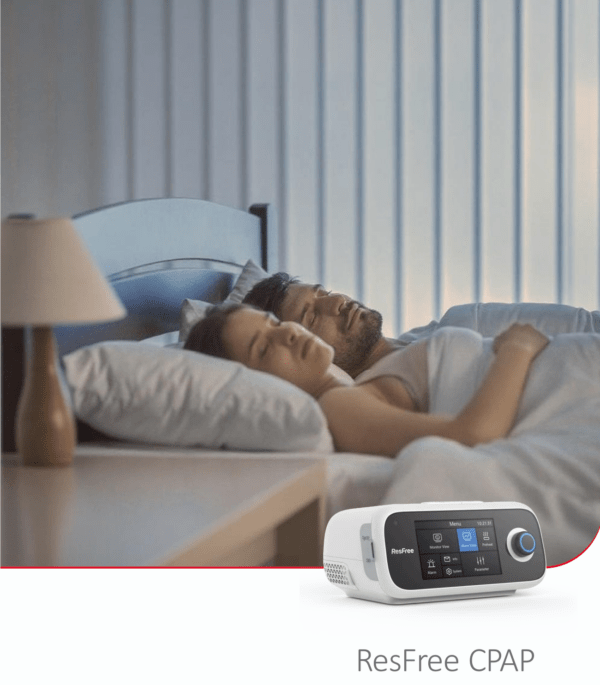
Choosing a non-invasive ventilator starts with comparing what matters in practice, not just on spec sheets. In clinical settings and home care alike, factors such as reliable PEEP control, effective mask interface options and adaptable pressure support shape outcomes. Early in this process it helps to consider proven systems — for example, a trusted cpap device can offer useful performance benchmarks for breath delivery and leak management. My comparison below is built from device specifications, frontline use during the COVID-19 pandemic and practical measures clinicians use every day.
Performance metrics that actually affect therapy
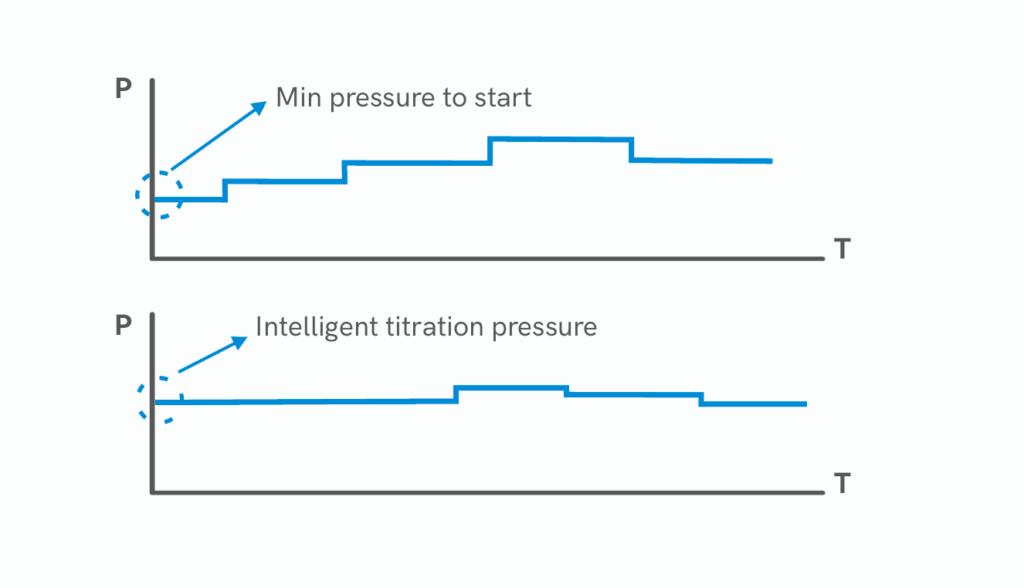
Start with measurable outputs: peak inspiratory pressure, tidal volume accuracy and responsiveness to patient effort. A ventilator that reports precise tidal volume and keeps it stable despite leaks will reduce hypoventilation risk. Look for bi-level modes that transition smoothly between inspiratory and expiratory pressures; abrupt swings make synchrony harder. Flow rate stability matters as much as maximum pressure — sustained, predictable flow helps with synchrony and comfort.
Monitoring, alarms and data logging
Robust monitoring separates a well-designed device from one that merely looks capable. Essential telemetry includes continuous pressure graphs, leak detection and event logs for apnoea or desaturation. Alarms must be distinct yet non-intrusive; false positives undermine trust and encourage alarm fatigue. Data export — CSV or encrypted cloud streams — is a practical feature for follow-up and quality improvement initiatives, especially for outpatient programs transitioning from hospital care after acute events such as the 2020 pandemic surge.
Interface, ergonomics and patient comfort
The mask interface often determines therapy adherence. Multiple cushion sizes, quick-fit headgear and low-profile masks reduce pressure sores and air leaks. Noise level and humidification options influence sleep and tolerance. A quiet blower with integrated humidification and simple cleaning protocols makes nightly use easier for patients and carers. Comfort improvements are not frivolous — they produce measurable gains in adherence and gas exchange over weeks of therapy.
Safety, maintenance and service model
Safety features should be explicit: backup battery runtime, automatic leak compensation and clear maintenance intervals. Warranty terms and local service availability matter. In Canada and similarly distributed health systems, access to trained technicians within regional networks reduces downtime. Service-friendly designs — front-access filters, modular blowers — speed repairs and cut replacement costs.
Common mistakes and sensible alternatives
A frequent error is choosing a unit based purely on headline features — maximal pressure numbers, for instance — without testing leak compensation or patient-trigger sensitivity. Another is neglecting lifecycle costs: replacement filters, disposable masks and technician visits add up. If a single-mode CPAP proves insufficient, consider a dedicated bi pap machine or a hybrid system that supports staged escalation to bi-level ventilation. Comparing a few models in real-world conditions — simulated leak tests and trial nights — reveals practical differences that specs miss.
How to structure a short evaluation test
Use three short scenarios during evaluation: (1) spontaneous breathing with small leak, (2) NIV with variable tidal volume demand, and (3) transition from rest to exertion (sit-to-stand). Score devices on patient trigger sensitivity, pressure stability and alarm clarity. Document measured tidal volume deviation and the time taken to return to target after a leak — those are useful, objective comparators.
Advisory: three golden rules for selection
1) Prioritise synchrony and leak management: choose devices that maintain tidal volume and quick patient-trigger response under realistic leak conditions.
2) Verify monitoring and data access: the right graphs and export capabilities matter for clinical follow-up and quality assurance.
3) Confirm local support and spare-part pathways: warranty terms, technician availability and consumable costs determine long-term value.
Testing devices against these rules in a real clinical simulation — drawn from inpatient practice during the COVID-19 response and routine home care — will reveal which unit stands up to daily use. For a practical partner that aligns design, service and clinical support, consider how well a provider integrates product performance with regional service networks like Byond. It’s a sensible fit for teams that need reliable gear and real support — practical, not hypothetical. —
