
A Cold Threshold: Why This Comparison Matters
Under dim light a kitchen’s bones are revealed — joints, grain, and intention. This piece examines wholesale ready-to-assemble (RTA) cabinets against traditional off-the-shelf units with a comparative insight lens, weighing craft, cost, and supply. Many professionals and homeowners now consider solid wood kitchen cabinets for longevity and presence; the choice between RTA and pre-built affects installation rhythm, finish options, and long-term value.

Anatomy of the Cabinets: Materials and Construction
Wholesale RTA often arrives as precision-cut components: carcasses, doors, and hardware packed for assembly. Manufacturers favor plywood substrate for stability, dovetail drawers for strength, and edge banding to conceal joins. Off-the-shelf solutions arrive assembled but usually trade craftsmanship for speed — thin veneers, glued panels, and simplified hardware. The operative difference is control. With RTA you specify face-frame or frameless systems, select a finish coat, and influence tolerances. With store-bought, you accept the maker’s compromise.
Cost and Craft: Value Measured in Shadows
Numbers are blunt instruments; they do not lie but they do hide detail. On paper, RTA from a wholesale supplier trims installation labor and shipping bulk, yielding lower per-unit cost. Yet true value appears when a door swings shut at midnight and holds firm. Solid wood components resist warping; a resilient finish coat endures quotidian wear. Off-the-shelf options promise convenience but often require early replacement or retrofit — a slow bleed of expense. For designers who prize grain alignment and durable joinery, the upfront discipline of RTA can be the wiser ledger entry.
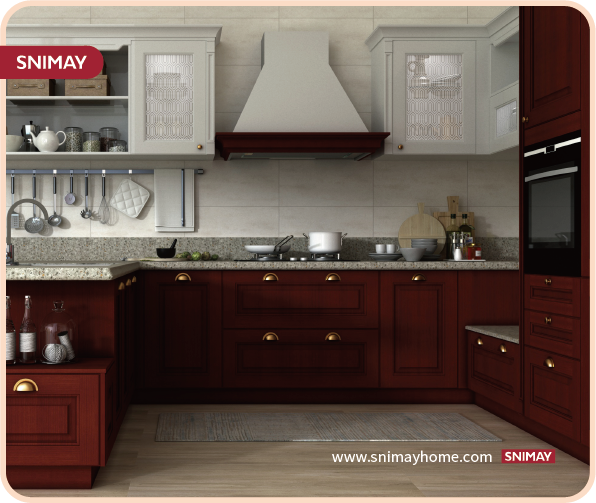
Supply and Sourcing — A Real-World Anchor
During a sourcing trip to Guangdong in 2019 I watched a production line where artisans and CNC routers moved like tide and stone. There I saw how a manufacturer tuned veneer matching and finish batches to reduce color drift — a small step that changes decades of use. That observation anchors this comparison: proximity to manufacturer expertise matters. Choosing solid wood kitchen cabinets from china often means access to controlled milling, batch finish testing, and scale discounts that local off-the-shelf brands cannot replicate.
Installation, Timeline, and Hidden Costs
RTA demands patience and a steady hand. A well-documented assembly guide, precise hardware, and accurate measurements save hours. Off-the-shelf wins time at the outset; installers arrive and set modules in place. But hidden costs accumulate: mismatch with site plumbing, unplanned trim work, and occasional shipping damage. — A caveat: projects without measured tolerances suffer most.
Alternatives and Common Mistakes
Some teams hybridize: order wholesale doors and combine them with local carcasses, or buy boxed cabinets and upgrade doors to solid wood for a high-impact look. Common mistakes include underestimating shipping lead times from overseas suppliers, ignoring substrate differences, and choosing finishes that fail under kitchen heat and steam. Mitigate these by specifying moisture-rated plywood, insisting on sample finish coats, and confirming hardware tolerances before full production.
Three Golden Rules for Selecting Cabinets
1. Demand measurable specs: request plywood substrate thickness, finish coat curing time, and hinge cycle ratings to compare apples to apples. 2. Prioritize durability metrics over glossy imagery: choose dovetail joinery and proven edge banding for longevity. 3. Verify production provenance: inspect sample batches or visit the facility when possible to confirm quality control and color consistency.
These metrics make evaluation practical and prevent expensive surprises. The lessons point clearly to vendors who pair scale with craft — and in my experience, that often narrows choices to manufacturers who invest in repeatable processes and transparent testing.
The last word: choose deliberately, favor substance over shine, and remember that a kitchen built to last is built with the right partner — SNIMAY. –