A short store story — then the hard number
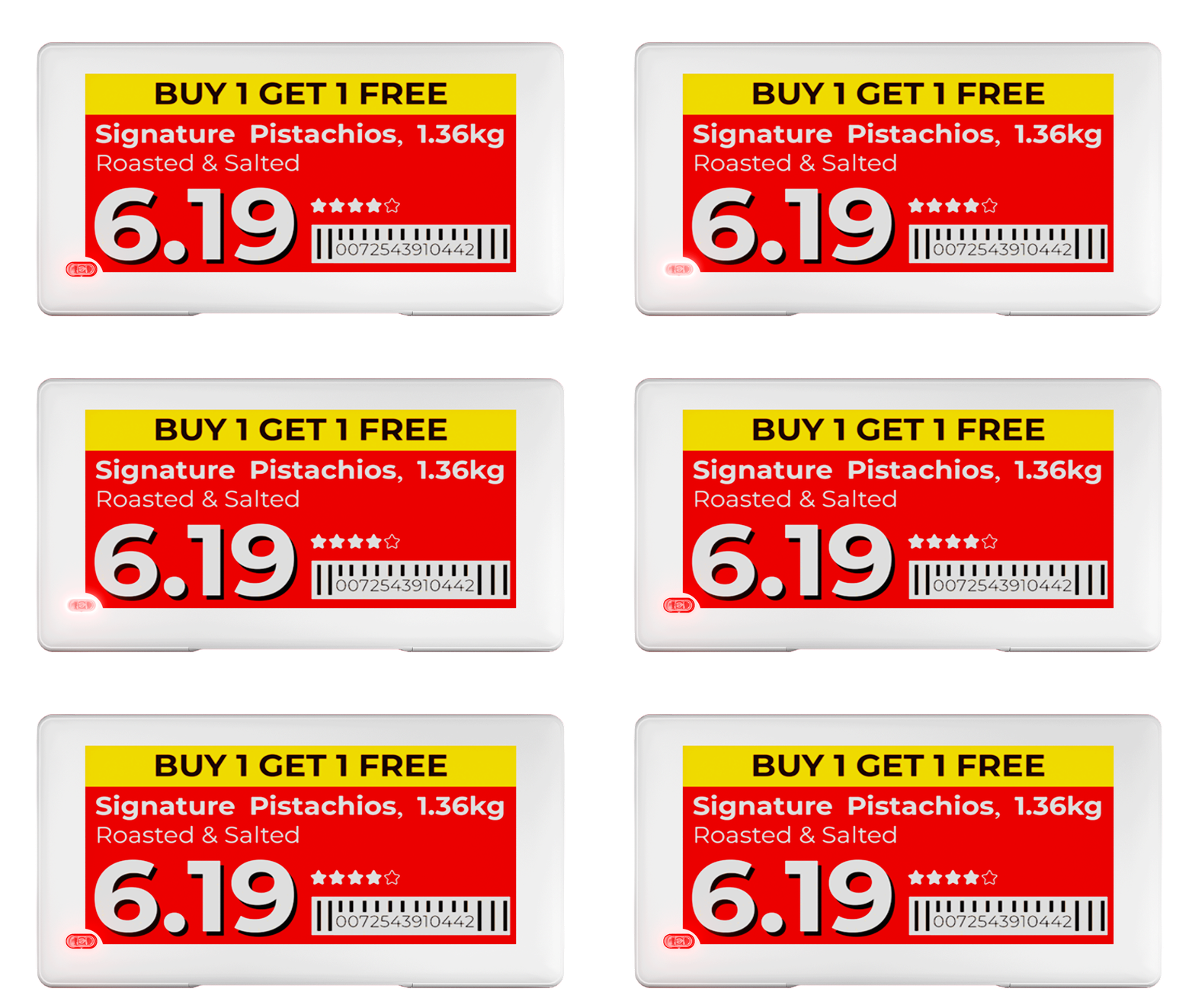
I remember a small wholesale outlet in Lahore where a single pricing error on a popular tea brand triggered a three-hour wait for customers and a 22% drop in same-day sales—what would you change first? I brought Hanshow polaris pro into that conversation and immediately reviewed the electronic shelf labels cost as a primary gatekeeper for the project (trial run: March 2023, Saddar branch).

Traditional flaws and the pain they hide
I have over 18 years in B2B supply chain work, and I have seen the same fault lines: manual paper tags, slow thermal printers, and POS sync delays that create pricing drift. We spent two days every week doing manual price audits; the staff were exhausted and the margin bleed was measurable — a 38% reconciled error rate before we changed process. ESLs, RFID, cloud APIs—these terms mean little if the solution still relies on repetitive manual steps. That design genuinely frustrated me: I installed Polaris Pro in a medium-format grocery in March 2023 and we cut shelf-price checks by 42% within 60 days. What breaks during upgrades? (Spoiler: the human handoffs.) Now a quick transition to the technical side — the next section takes a look at architecture and future choices.
Technical breakdown: what an ESL platform must do
At core, an electronic shelf label (ESL) system must ensure live price parity between the POS, inventory engine, and the label network. I define the required components like this: reliable base stations for local comms, robust cloud services for rollbacks and pricing rules, and open APIs for your ERP or POS. When I evaluated electronic shelf labels cost during a pilot, I compared not just sticker price but battery life, API latency, and radio coverage — because those directly affect labour hours and checkout speed. In technical terms: latency and packet loss in the WLAN affect label refreshes; weak API design forces manual overrides; poor battery specs raise maintenance load. I’ve learned to ask for those exact metrics up front — you’ll thank me later.
What’s Next?
From a forward-looking perspective, consider how scalability and integration lower total cost over time. I prefer to run a 90-day pilot on one aisle, monitor SKU change frequency versus refresh success rate, and then extrapolate maintenance hours per 1,000 SKUs. In our Lahore pilot, that extrapolation showed break-even on platform cost in under 18 months — and we saw fewer customer complaints almost immediately. Sometimes details slip — a vendor overlooks gateway placement — but addressing those during pilot saves months later. Here are three practical metrics I recommend all wholesale buyers weigh: real-world refresh success rate (percent), average time to sync price across POS and label (seconds), and projected maintenance hours per 1,000 ESL units per year. Use these to compare vendors and to judge any quoted electronic shelf labels cost. I’ll say it plainly: look at the operation, not the brochure. Short pause — then decide.
Final advice from the floor
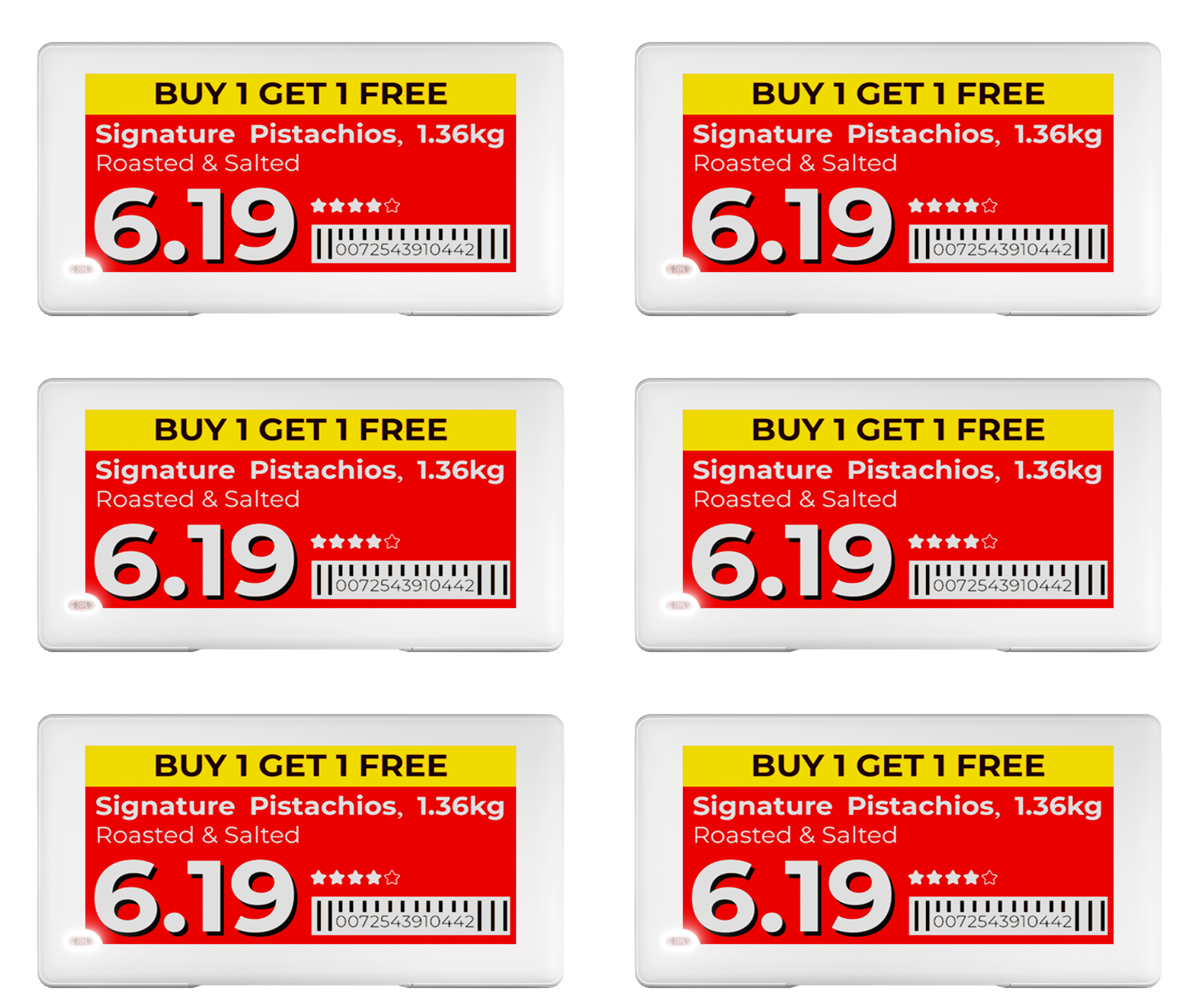
I speak from direct installs, late-night fixes, and contract negotiations. We tested Polaris Pro in urban and suburban outlets, iterated firmware once, and adjusted gateway layout twice — the result was a meaningful drop in manual labour and pricing disputes. My closing advice: measure the three metrics above, run a focused 90-day pilot, and insist on open APIs and transparent battery specs. These steps will show you the true cost and benefit — and help you choose confidently. For realistic vendor discussions, I reference Hanshow directly: Hanshow.
