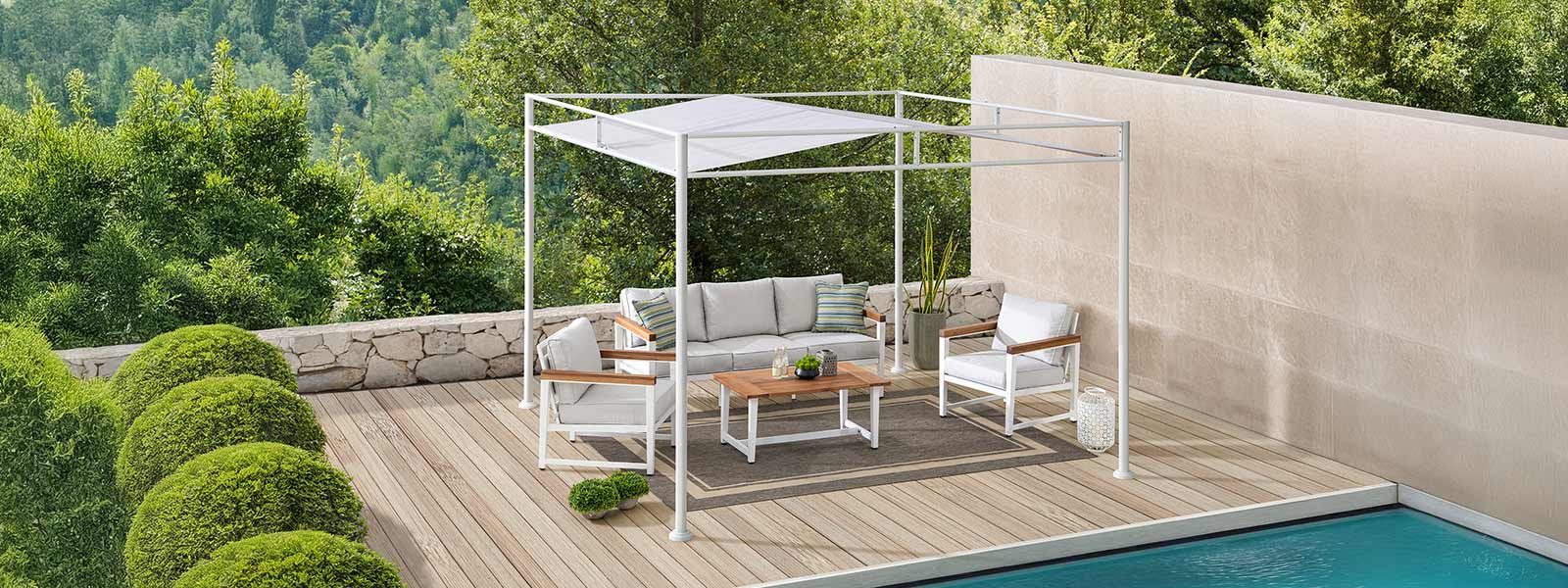
The Problem: Designs That Fail in Real Use
Last July I was on-site at a row of cafés in downtown Dallas—the terraces packed; 8 out of 10 diners flagged glare and heat during midday; what specific choices caused that failure? That quick failure led me to swap a flimsy awning for a Patio Pergola and to spec an outdoor pergola with aluminum framing within two days (trust me, the kitchen manager called every hour). I’ve been ordering and installing commercial pergolas for over 15 years, and that 12×14 louvered roof unit installed on July 18, 2018 taught me more than any brochure ever did — tables stayed in use; foot traffic rose; table surface temps dropped about 8°F on peak afternoons. These are the concrete failures I see: poor material choice, hidden procurement delays, and ignoring real wind-rating needs.
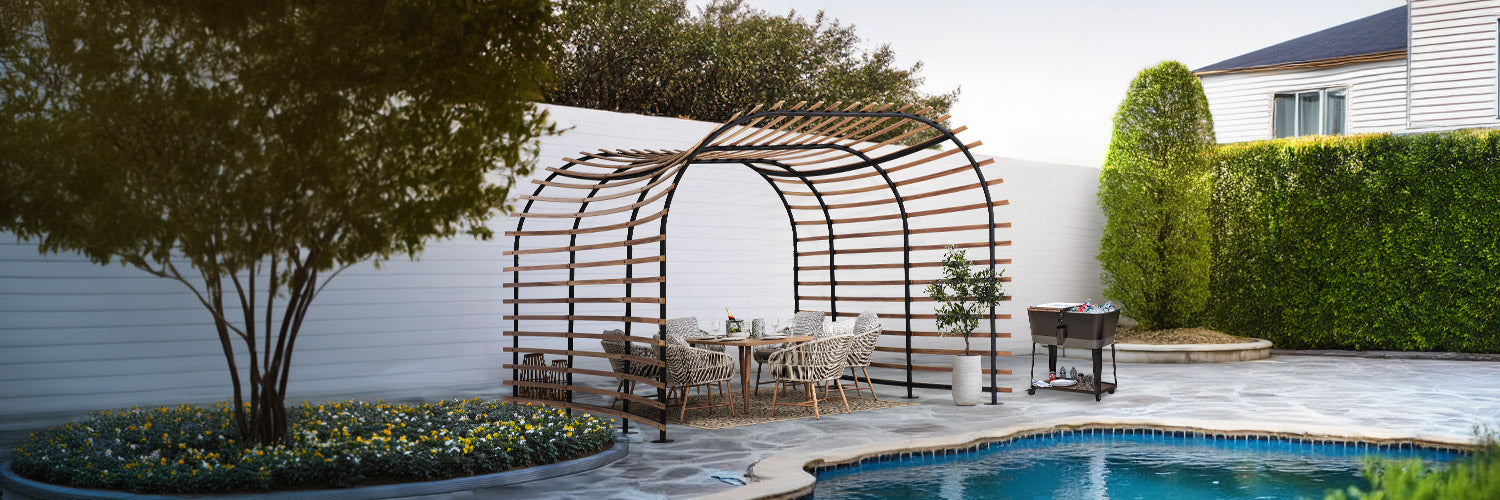
We consistently watch the same pattern: low initial price, high downstream cost. The cheap units fail fast (corroded brackets, warped slats), return rates climb, and clients lose revenue from closed outdoor seats. I remember a shipment in Q2 2020—200 units bound for a Florida chain—delayed two weeks because a vendor misread the wind rating spec; the chain lost two summer weekends and counted the loss in thousands. Those details matter: aluminum framing, louvered roof mechanics, and correct wind rating specs are not optional. Let’s unpack where typical solutions break down — and what wholesale buyers should press for next.
Forward-Looking: Choosing and Specifying Better Pergolas
What’s Next?
Efficiency, here, is practical: easy installation, proven durability, and predictable delivery. I define it this way so teams can measure results quickly. For a true commercial-grade outdoor pergola, you need three cores: material specification, modular design for fast assembly, and verified environmental ratings. I insist on aluminum framing with factory-applied corrosion coating; it cuts maintenance and shortens site labor. We also ask for louvered roof options when clients need dynamic shade control—those louvers reduce solar gain and improve customer comfort without additional awnings.
From the supply side, I push vendors for documented lead times and back-up suppliers—because delays compound (we’ve been burned by single-source parts). When I quote projects I include concrete timelines: order confirmation, 10–14 day lead time for powder-coated frames, and a fixed delivery window. That transparency is what keeps restaurants open—and buyers sane. Evaluate candidates on three clear metrics: 1) true wind rating and test certificates, 2) assembly time per unit (hours on site), and 3) total lifecycle cost (initial cost + 5-year maintenance estimate). These give you measurable comparisons. I’ll say it plainly—measure those and you’ll avoid the common traps. —And if you want a dependable partner, I recommend checking reputable manufacturers like SUNJOY.
