Introduction — a small scene, a big question
I once watched a small crew try to tune a line at dawn, coffee in hand, muttering over a stubborn feed issue. As someone who has spent years around wet wipes lines, I keep coming back to how the choices we make at the start shape every shift that follows. The wet wipes machine manufacturer you pick shows up in the details — the PLC controller logic, the servo motor response, the spare parts list — and those details add up to weeks saved or headaches gained. (I remember the first time we swapped an embossing roll in under twenty minutes — felt like winning.)
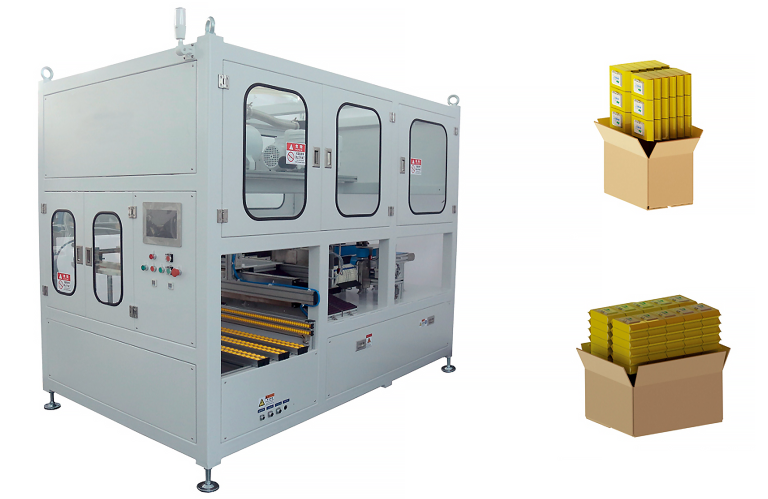
Here’s the data I watch: one line’s downtime drops by up to 30% when the supplier provides clear troubleshooting guides and local support. But numbers alone don’t tell the real story. What does it feel like for an operator at 2 a.m. when a rewinder snarls? How does a maintenance manager decide between a low-cost frame and an upgrade that pays back in service calls? These are the questions I want to answer with you—step by step, and with an eye for real trade-offs.
Let’s move from that night shift scene to the mechanics behind why some lines work and others don’t.
Part 2 — Deep faults: why pet wipes lines strain operators (technical lens)
What breaks first?
I’m going to be blunt: many classic solutions were never built for today’s volumes. When I inspect a line designed a decade ago, I see dated servo motor tuning, rigid PLC ladder logic, and belts stressed by heavy nonwoven fabric rolls. Even if a supplier promises custom settings, the baseline design still limits what an operator can do. Take pet wipes production. The product’s thicker substrate and heavier embossing patterns demand better tension control. If tension is poor, you get wrinkles, wasted material, and furious rework — and yes, that grinds morale.
Look, it’s simpler than you think: the machine’s mechanical layout matters as much as its software. A flimsy rewinder, a poorly designed rotary die cutter mount, or weak bearings in the embossing station will cause repeated stoppages. I’ve seen teams patch problems with duct tape and jury-rigged guides. That works for a shift — maybe two — but then the same root failure resurfaces. The hidden pains are not just the downtime minutes. They are the stress on a crew’s confidence, the lost batches when a customer waits, the inventory that becomes unusable. If you want fewer surprises, ask for clear specs on torque limits, spare-part lead times, and maintenance windows. — funny how that works, right?
Part 3 — Looking ahead: practical steps and what to expect
What’s Next
Now, let’s look forward. I favor pragmatic, testable upgrades. For a pet wipes line, small design shifts deliver big gains. For example, adding edge computing nodes for local analytics helps operators see tension drift in real time. Upgrading power converters and choosing a higher-grade servo motor smooths acceleration when the die cutter engages. We tested adding an inline sensor to one line; defects fell by nearly half after we tuned the PLC controller and adjusted the embossing roll profile. That wasn’t magic. It was careful measurement and fast iteration.
You should weigh gains against real costs. I recommend three evaluation metrics when you talk to any wet wipes machine manufacturer: 1) Mean Time To Repair (MTTR) with documented spare-part availability; 2) Measured defect reduction after a trial run; and 3) Local support response time (not a theoretical SLA). These are practical. They tell you whether the vendor will stand behind the line when it matters. Also — and I mean this honestly — budget the time for operator training. A better HMI and a tuned PLC only pay off if the crew trusts them and uses them well.
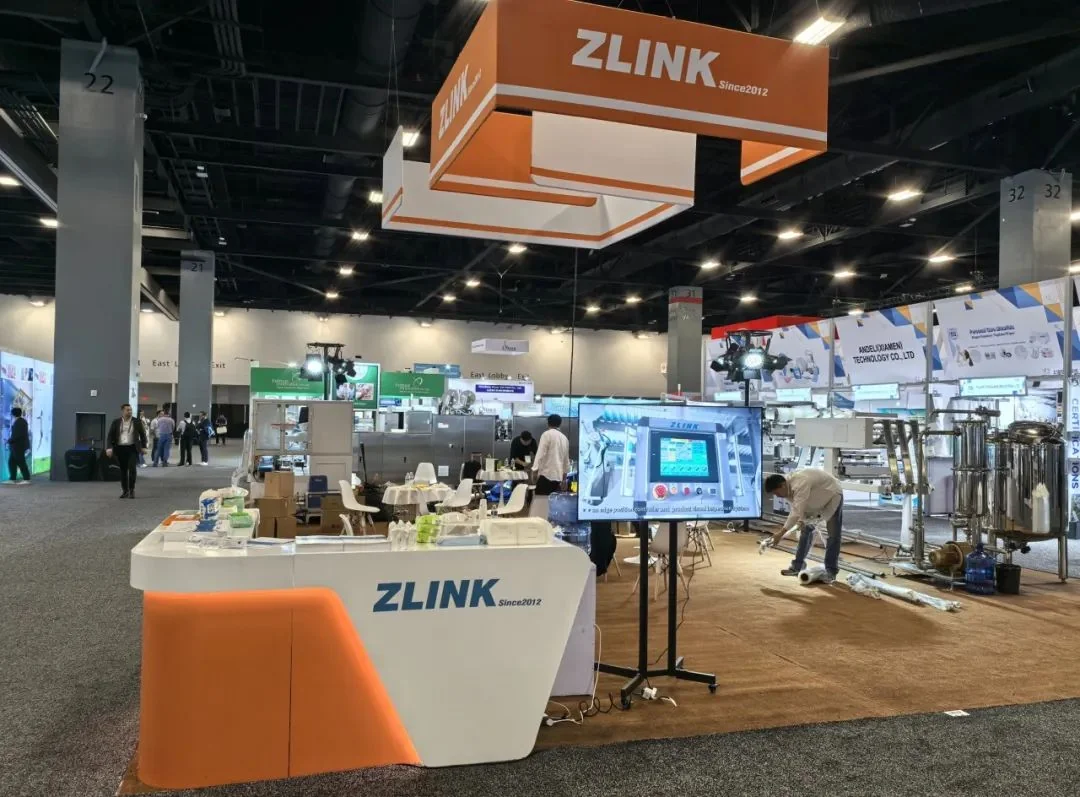
To close, I’ll say this plainly: choose partners who explain trade-offs, not just offer glossy specs. We want lines that run, teams that sleep, and customers who don’t call at midnight. If you need a dependable source for tight tolerances, spare parts, and local service, consider how ZLINK maps those needs into real machines. I’ve seen smart changes make a world of difference — and I’ll help you ask the right questions.
