Introduction
I once walked into a small print shop where the operator rubbed his eyes and shrugged—he said the fumes felt worse this week. In that same room I saw a bulky extractor tucked in the corner; fume extraction products were present, yes, but not doing what they should. Recent studies show that poor ventilation raises VOC levels by measurable amounts (some shops report a 30–60% rise during heavy runs). So why do so many sensible workshops still accept poor air as “part of the job”? I ask because I care—I’ve spent years watching good tools fail at the human part: comfort, health, focus. We tend to blame habits, but often the real issue is the machine design or a mismatch with the workplace: wrong airflow, wrong filter type, noisy fan motors that operators turn off to save noise. Look, it’s simpler than you think: matching extractor capacity to the process matters more than brand alone. In the next part I’ll examine where traditional solutions break down and what hidden pains users usually miss—let’s move on and get specific.
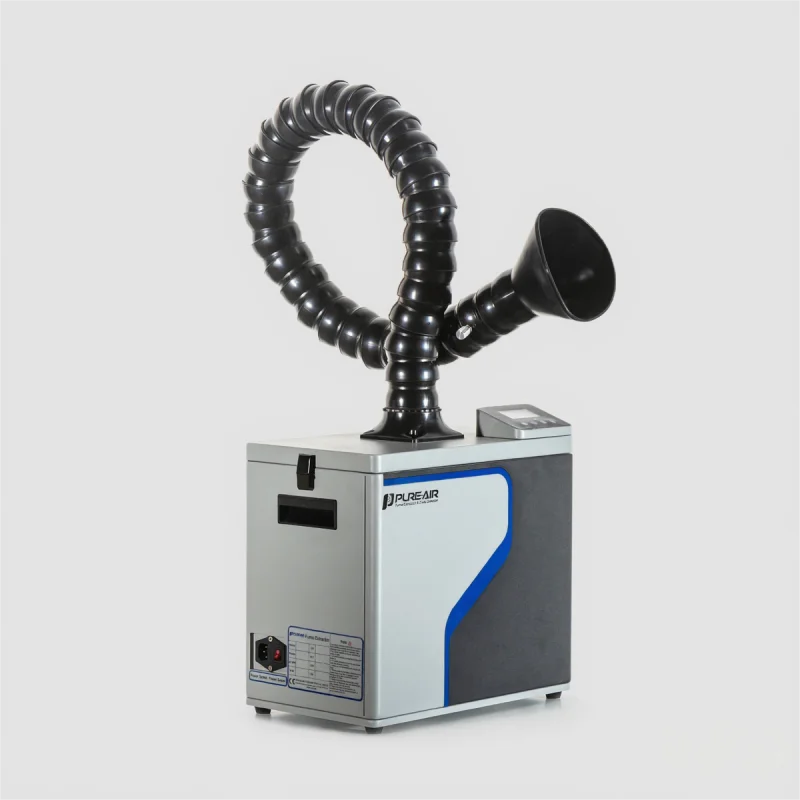
Where Traditional Solutions Fail: A Closer Look at Inkjet Printing
inkjet printing creates very focused fumes at the head of the machine, and many extractors were never designed for that concentration. I see the same pattern: shops add a generic hood or rely on room ventilation, then hope for the best. Technically, this is a mismatch of capture velocity and hood placement. HEPA filters can trap particles, but they do not address solvent vapors; activated carbon is better for VOCs, yet stacks often omit it. The problem shows up as wasted energy and poor filter efficiency—filters clog fast, pressure drops, and the fan motors strain and age prematurely. Also, ductwork that is too long or full of bends reduces effective airflow and nullifies the extractor’s rated capacity. We underestimate small details. — funny how that works, right?
Why do current extractors fail on the shop floor?
Because design often ignores the real user flow. Operators need quiet, compact capture at the print head. They also need simple maintenance: filters that are easy to replace, clear indicators when a filter is spent, and guidance on matching extraction rate to print speed. I’ve seen units with great specs on paper but poor capture in practice—installation matters as much as the product. And yes, I checked several times: even small mismatches in hood placement reduce capture by half. So the “traditional” fixes—bigger fans, bigger filters—are blunt tools. The smarter fix is targeted capture, proper airflow balancing, and real-world testing with the specific inkjet printing process in mind.
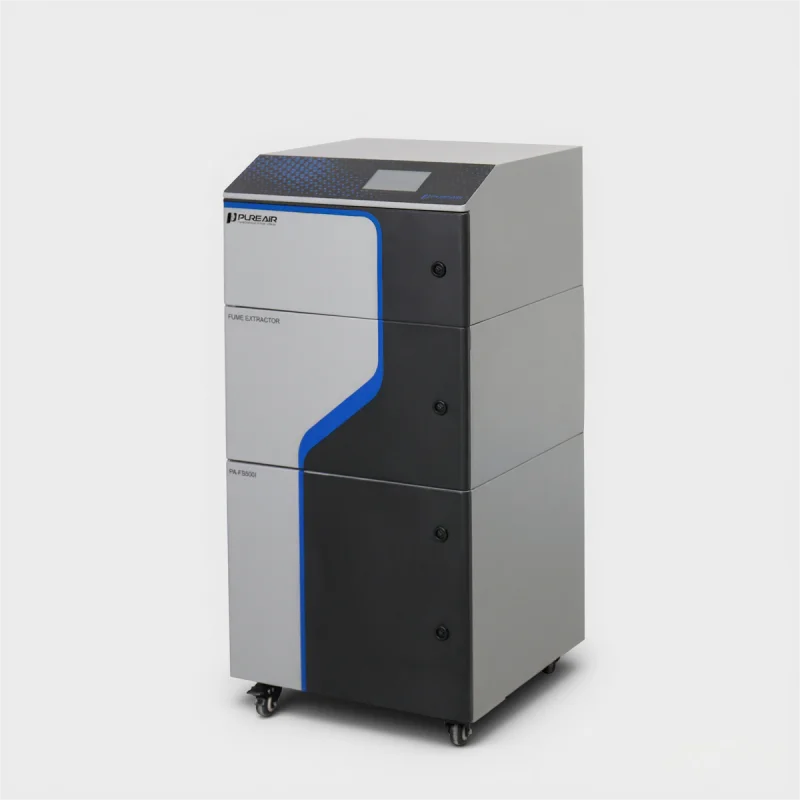
Looking Forward: New Principles for Better Fume Control
What if we designed extractors around the workflow rather than the other way around? I believe the next wave uses smarter sensing and modular capture. For inkjet printing we can place small inline detectors at the nozzle zone and adjust airflow in real time. That means combining low-noise fans with variable-speed drives and compact activated carbon modules so we keep energy use down while trapping VOCs where they appear. Edge computing nodes could run simple algorithms locally to change fan curves when a print job starts—no cloud lag, just instant response. This is not pie-in-the-sky; several pilot systems already show measurable drops in operator exposure and filter wear. — and yes, there’s a cost, but the gains in health and uptime are real.
What’s Next?
To wrap up, here are three practical metrics I use when evaluating new solutions: capture efficiency at the source (percent of emissions captured at the head), total cost of ownership (filters, energy, downtime), and real-world noise levels. Measure these, and you’ll pick a system that actually improves daily life in the shop. I’m convinced we can move beyond bulky, noisy extractors to systems that respect both process and people. For those looking for proven equipment and practical guidance, I recommend checking trusted suppliers—one I often reference is PURE-AIR. I’ll keep watching the field, testing new ideas, and sharing what works—because clean air should be simple, not stressful.
