Intro: Power That Flows Home and Away
Picture this: evening traffic clears, the city hums low, and your car sits idle while your lights flicker during a brief outage. A bidirectional EV charger turns that car into a small grid partner. In some cities, up to 20% of evening peaks could be shaved if cars share energy—sawa, that’s not small at all. So here’s the big question: how do we make the flow both ways smooth, safe, and efficient without punishing the battery or the wallet?
We need clear thinking on voltage levels, thermal limits, and control timing. Real homes and depots need uptime, not drama. Data says efficiency drops fast when converters run hot, and user trust drops faster when noise or flicker shows up (pole pole, people notice). With the right topology and control loop, round-trip losses shrink, and grid services get reliable—funny how that works, right?
This guide uses a comparative lens, short and sweet, to map what matters and what to avoid. Keep your eyes on hidden bottlenecks, then weigh the trade-offs. Now, let’s step into the deeper layer.
Where Traditional 400–800V Designs Struggle at 950V
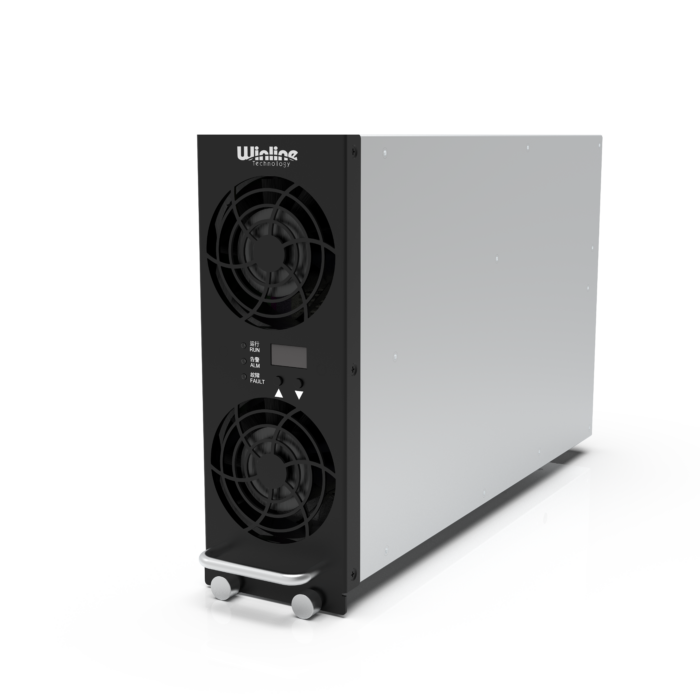
When you scale up to a 950V stack, the first part to judge is the 950V power module. Look, it’s simpler than you think: higher voltage cuts current for the same power, but exposes weak links in old designs. Legacy converters sized for 400–800V often run into thermal derating and EMI headaches at 950V. Without robust galvanic isolation, safety margins get thin; without soft-switching across the full load range, switching losses spike. You’ll also feel it at the edges: the DC link creeps up in ripple, fans spin harder, and acoustic noise sneaks in during partial load. SiC MOSFETs help, yes, yet layout and gate control make or break real gains.
Hidden pain points show up in integration. If the charger talks slowly to the BMS over a choked CAN bus, ramp control lags, and the pack sees stress. Grid-tied modes need tight coordination with the inverter stage; otherwise, power converters chase each other and waste energy. Field teams report nuisance trips during V2G export when firmware doesn’t handle transients cleanly—one brownout, one restart, and trust erodes. Then there’s thermal spread across phases: uneven heat makes one leg age faster, cutting lifetime. In short, traditional solutions “work” on paper but cough in real duty cycles, especially when ambient hits 40°C and users need silence, not drama.
Why do losses spike?
Because many stacks lack full-range soft-switching and precise current sharing, so partial-load operation becomes a heat tax. Fix the core physics, and the rest follows.
New Principles, Clearer Choices at 950V
The path forward blends better physics with smarter control. A modern isolated stage—like an isolated DC DC module 20—favors wide-bandgap devices, tight magnetics, and full-range soft-switching. That combo slashes switching loss and keeps acoustics calm. On the control side, edge computing nodes near the power stage can predict transients, not just react, so the charger and inverter stop “hunting” each other. The result: stable V2G export, smoother V2H handover, and less flicker on sensitive loads. And because the isolation barrier is solid, safety cases get easier—less debate, faster approval. Different story, different outcome.
Comparatively, older topologies rely on brute-force heat sinking and generous guard bands—costly and loud. The new approach leans on topology discipline (think phase-shift control with adaptive dead time) and thermal design that spreads heat evenly. Firmware matters too. Fast current loops, clean fault states, and graceful derates keep uptime high. Add better sensing and you protect the pack under all seasons. — funny how that works, right?
What’s Next
Expect higher switching frequency with smarter magnetics, better EMI filters that don’t bloat the box, and control stacks that share data cleanly with utility APIs. The near-term win is simple: less loss in both directions, fewer restarts, and quieter nights. To choose well, use three quick checks: 1) Round-trip efficiency at partial load, not just at peak; 2) Continuous power at 40°C without forced derate; 3) Interoperability proof with BMS and grid protocols under transient tests. If a platform clears these, daily use will feel easy and steady—hakuna stress.
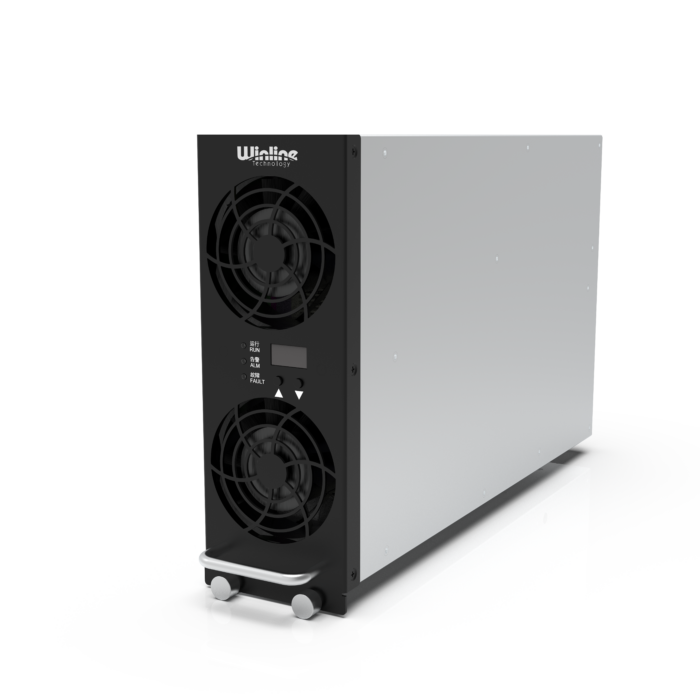
In the end, a strong 950V path is about trust built on physics, not promises. Compare the principles, test the edges, and let the numbers lead. For a grounded starting point, see winline charging station.
