Introduction — Is your session actually doing what you think?
Have you ever left a spa feeling uncertain after a red light bed session? I’ve been there — standing under warm LEDs, wondering whether the glow meant real repair or just marketing theater. Red light bed treatments have surged in popularity (industry reports note steep growth in consumer interest and spa offerings), and yet measurable outcomes vary widely. Recent data suggest many providers use different irradiance levels and exposure times, which directly affect results — so who’s standardizing this? That question matters, because inconsistent power density and wavelength calibration can mean the difference between benefit and wasted time. Let’s unpack what that variability really means and move into the specifics.
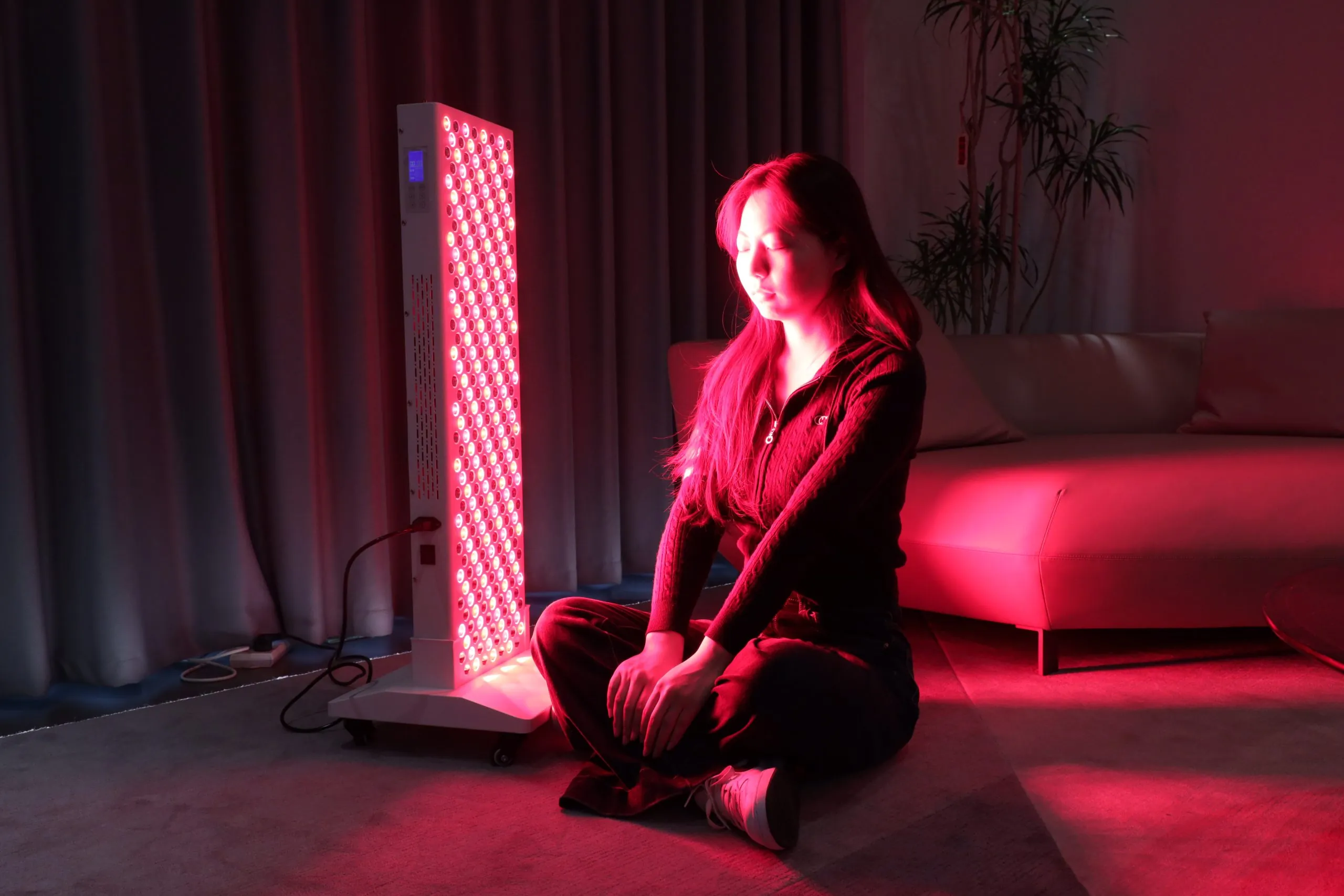
Hidden User Pain Points in Collagen Bed Therapy
I want to get straight to a core source of frustration: variability. When people try collagen bed therapy, they often expect consistent skin renewal. Instead they face inconsistent LED arrays, unclear fluence, and no follow-up metrics. From my experience advising clinics I see the same patterns — sessions scheduled like haircuts (every four weeks), yet no baseline measurements, no recording of irradiance, and little user education. That gap fosters doubt. Look, it’s simpler than you think: users need clear dose, wavelength, and timing standards, not bright lights and hopeful promises.
Why do users still feel unsatisfied?
Part of the problem is technical misalignment. Facilities use different power converters and pulse modulation settings; some devices target the right wavelengths for collagen synthesis while others miss the mark. Clients notice unpredictable warmth, uneven coverage, or no visible change after multiple visits. I’ve seen people switch providers three times before finding a protocol that works — that’s costly and demoralizing. We need better baseline testing (skin phototype checks, documentation of session fluence) so patients can make informed choices rather than gamble on a session that “might” help.
Future Outlook: Practical Routes and Metrics for Better Outcomes
Looking ahead, I lean toward measurable improvements grounded in new technology principles and clearer clinical practice. For example, integrating simple sensors to log power density and session fluence would create accountability — and yes, manufacturers can build this into panels. If clinics adopted standardized wavelength calibration and reported these values to clients, we’d see clearer patient expectations and faster optimization of protocols. I believe combining objective metrics with user feedback is the real step forward.
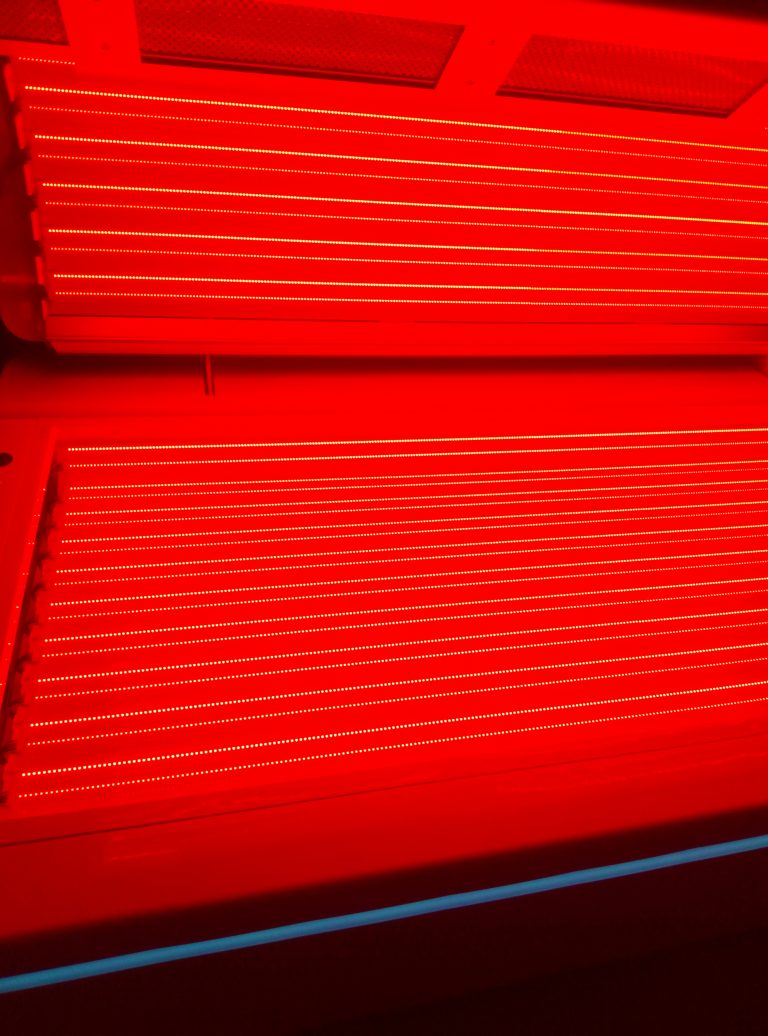
What’s Next — Practical steps you can expect
Here are three evaluation metrics I use when judging a red light bed solution: 1) documented irradiance at treatment surface (mW/cm²); 2) validated wavelength specifications for photobiomodulation; 3) session fluence and cumulative dose records. If a provider can’t show these, I question the likely benefit. Also — funny how that works, right? — better onboarding (short baseline tests, clear aftercare) reduces churn and improves results. I’m optimistic: the tech exists (power converters and improved LED arrays), and with modest process changes we can turn hype into predictable care.
Closing Recommendations and Practical Takeaways
To wrap up, I’ll be blunt: not all red light beds are created equal. From my hands-on advising, three practical checks separate hopeful outcomes from real results. First, verify reported irradiance and wavelength specs before booking. Second, ask about documentation — do they track session fluence? Third, insist on a clear follow-up plan so you (and your provider) can measure progress. These are simple, measurable steps that protect your time and money. If you want to explore credible setups and products that prioritize metrics and user experience, I recommend checking real-world vendors and clinical partners like Magique Power. We’ll get smarter about this together — and I’m here for the conversation.
