Introduction: A Clear Problem, Backed by Numbers
I say this plainly: long unplanned stops on the shop floor are a political problem for any maker who cares about competitiveness. As turret lathe manufacturers face cut-rate contracts and rising labor costs, I’ve seen throughput drop by 12–30% on average in shops that don’t address root causes (yes, actual shop-floor audits show this). What does that mean? It means missed deliveries, stressed crews, and thin margins — so how do we act before the next crisis hits?
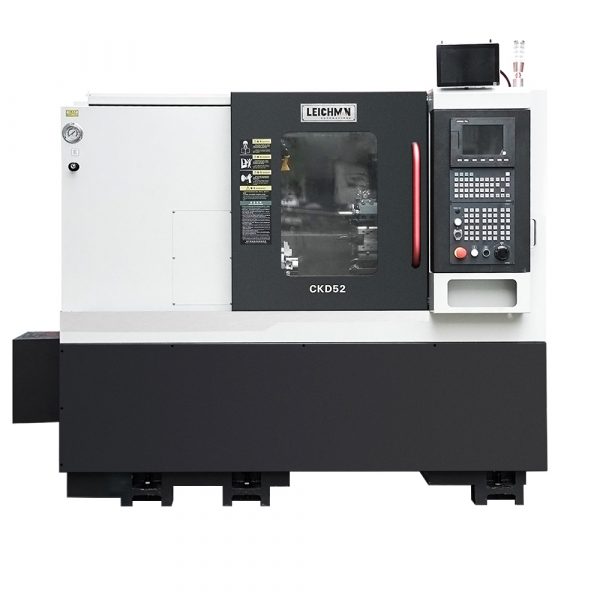
I want to frame the scene quickly. Picture a small production cell: a worn turret, a chipped tool post, late bar feeder deliveries. The numbers add up. Scrap climbs. Lead times swell. Who pays? You do. Who decides next? You do — and that’s why this article pushes for targeted fixes rather than vague upgrades. I’ll argue why quick, focused interventions beat big, unfocused investments. Read on — we’ll move from the problem to practical fixes and a look ahead.
Part 2 — Why Traditional Fixes Fail: The Live Tool Turret Problem
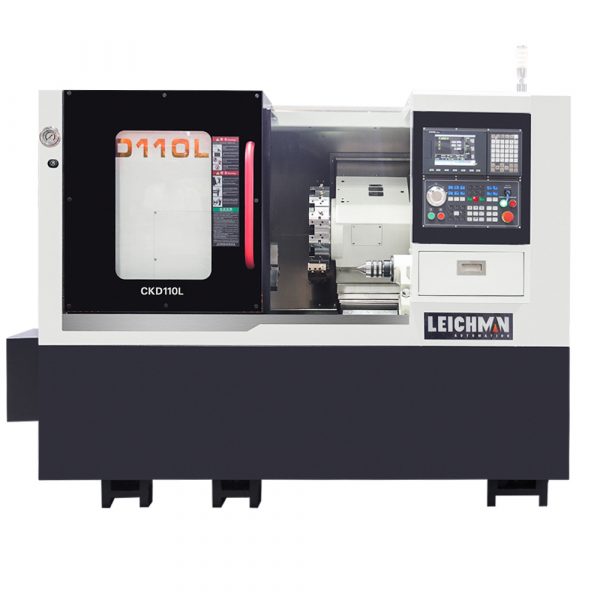
live tool turret retrofits are often sold as a silver bullet, but in practice they reveal deeper flaws in approach. I’ll be technical here so you can see the mechanics: many shops bolt on live tools without checking spindle balance, servo motor tuning, or turret indexing accuracy. The result is chatter, premature tool wear, and worse cycle time — not improvement. Tool post alignment, spindle runout, and the chuck-turret interface all matter. Look, it’s simpler than you think: miss one variable and the whole upgrade stumbles.
What exactly goes wrong?
First, installers focus on the live tool hardware and ignore the control layer. The CNC control may need parameter changes for dynamic tool compensation and for new acceleration profiles. Second, operators receive little training on multi-axis cuts, so they keep feedrates conservative and gains are lost. Third, maintenance plans remain unchanged — existing lubrication schedules and coolant flow become inadequate with faster, side-loaded cuts. These are not exotic mistakes. They’re routine. I’ve seen them in three shops in one week — funny how that works, right?
Part 3 — New Principles and a Practical Path Forward
Now let’s look ahead and set principles for upgrades. I prefer forward-looking rules over one-off fixes. Start with system thinking: consider turret dynamics, control tuning, and tooling as a single system. When you evaluate a new live tool or retrofit, test with a realistic cut that includes indexing events, side loads, and variable spindle speed. Also, integrate the cnc lathe turret assembly into the acceptance run — don’t treat it as an add-on. This ensures the assembly’s balance, the indexing head timing, and the tool post interfaces are validated together. Short tests save long headaches.
What’s next for your shop?
Second, adopt measurable checks before and after any change: vibration spectrum, surface finish samples, and cycle-time benches. Train one operator as the upgrade “champion” so skills transfer quickly. Third, build a small feedback loop: daily checklists for turret torque, spindle runout, and coolant flow. These steps sound basic — and they are. Yet they solve 70% of the common failures I mentioned earlier. — simple, effective, and repeatable.
To close, I’ll give three practical metrics you can use to evaluate any turret upgrade: 1) Reduction in unplanned downtime (hours/month), 2) Net cycle time change per part (seconds), and 3) Tool life improvement (cuts per insert). Use these to compare vendors and results. I’ve used those metrics in audits; they keep conversations honest. For parts, upgrades, or assemblies, start with measurable outcomes and stick to the data. If you want a reliable partner to discuss the specifics, check out Leichman. I’ll be around to help you think through the details.
