Introduction — a kitchen, a dinghy, and a ticking meter
I once stood beside a small boat motor while a friend fretted over a rising fuel bill — the scene felt oddly like watching a sauce burn. In that moment I thought about how an electric motor, when tuned right, can be as precise as a chef’s knife; when tuned wrong, it wastes time and energy. Data shows many small craft lose 10–25% of potential range to drivetrain losses (and that number sneaks up when you ignore controller settings or poor maintenance). So how do we stop paying that hidden tab — and where do we start? (Spoiler: it’s not always a replacement.)
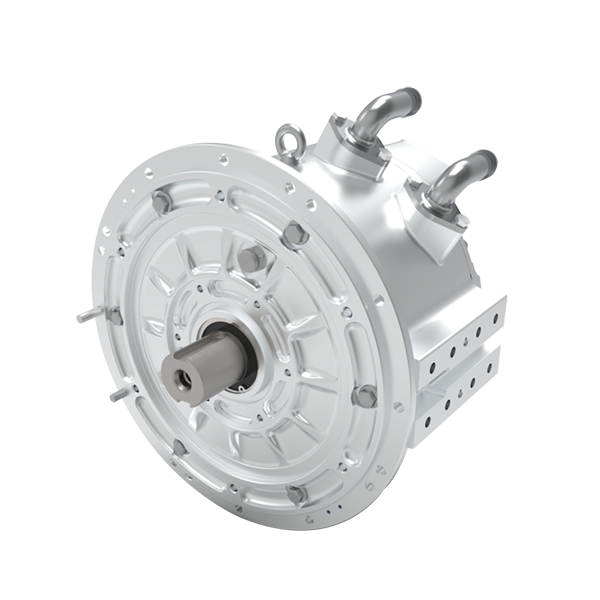
I’ll walk you through the comparisons I use when advising boat owners and shop teams. Think of this like a recipe: one part torque management, one part efficient controller — mix carefully. Along the way I’ll drop a few industry terms: rotor, stator, power converters — but I’ll keep it practical. Now let’s move from the kitchen to the engine room and look deeper.
Part 2 — Where the usual fixes miss the mark (technical breakdown)
When owners look for better propulsion they often search for electric boat motors and expect instant gains. I get it — the idea of swapping a unit and curing range anxiety is tempting. But I’ve learned that many “fixes” treat symptoms, not causes. Poorly matched motor-controller pairs, under-specified power converters, or mismatched propellers create losses that no new motor alone can fix. Torque spikes and motor heating tell a story: the rotor and stator are fighting inefficiently, and PWM settings may be wrong. That’s why I always test the whole system, not just the motor. Look, it’s simpler than you think — if you measure baseline current draw and temperature under load, you’ll see where the money drains. In practice, I first check controller firmware, wiring gauge, and battery health (simple checks that often reveal the culprit).
Why does swapping the motor often fail?
Because I’ve seen replacement motors installed into the same flawed system and then blamed for poor performance. The new unit often hits the same limits: insufficient cooling ducts, undersized cables, or a controller that clamps current. Those are not motor problems — they’re system-design flaws. I’ll show you how to spot them: measure peak current, note where power converters saturate, and watch for thermal throttling. These steps expose the hidden pain points users don’t report — range that drops later in the day, sluggish throttle feel, or sudden torque loss under load. Fix those, and the motor can finally do its job. — funny how that works, right?
Part 3 — Looking forward: principles and measurable choices
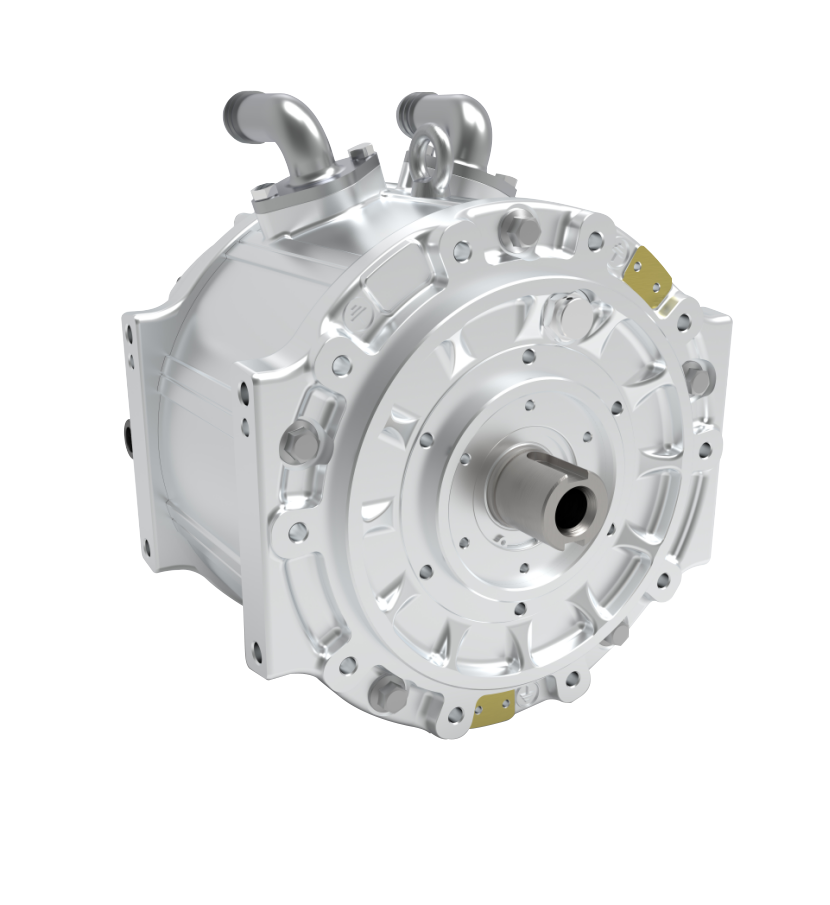
Now let’s talk about solutions that last. I favor two approaches: principled system redesign and selective upgrades. For redesign, start with matching a brushless electric motor to a controller that supports field-oriented control (FOC) and adequate cooling. That pairing reduces heat and improves torque control. For selective upgrades — think stronger wire gauge, better propeller pitch, and a modern power converter — you can often reclaim 10–20% range without swapping the drive. I prefer the semi-formal view here: precise, but still human. We test in real conditions, not just on paper, because lab numbers can be misleading.
What’s Next — practical metrics to choose by?
Measure these three things: sustained efficiency at cruising load, thermal headroom under peak output, and system integration (how well motor, controller, and battery share load). Those metrics tell me whether a change will be temporary or transformational. I also recommend logging for a few runs — look for patterns. You’ll see where throttles crest, when controllers cut back, and whether power converters are the weak link. Small data points reveal big opportunities — and yes, sometimes the cheapest fix is simply tuning the controller or changing the prop. — it saves money and headaches.
To wrap up: I prefer practical tests, clear metrics, and fixes that address the whole system, not just the motor. If you want guidance, I’ll help you read the data and choose upgrades that offer measurable gains. For parts and more detailed specs, consider vendors who publish integration notes and real-world test results, like Santroll. I’ve worked with teams who took modest steps and regained control — and honestly, seeing that relief never gets old.
