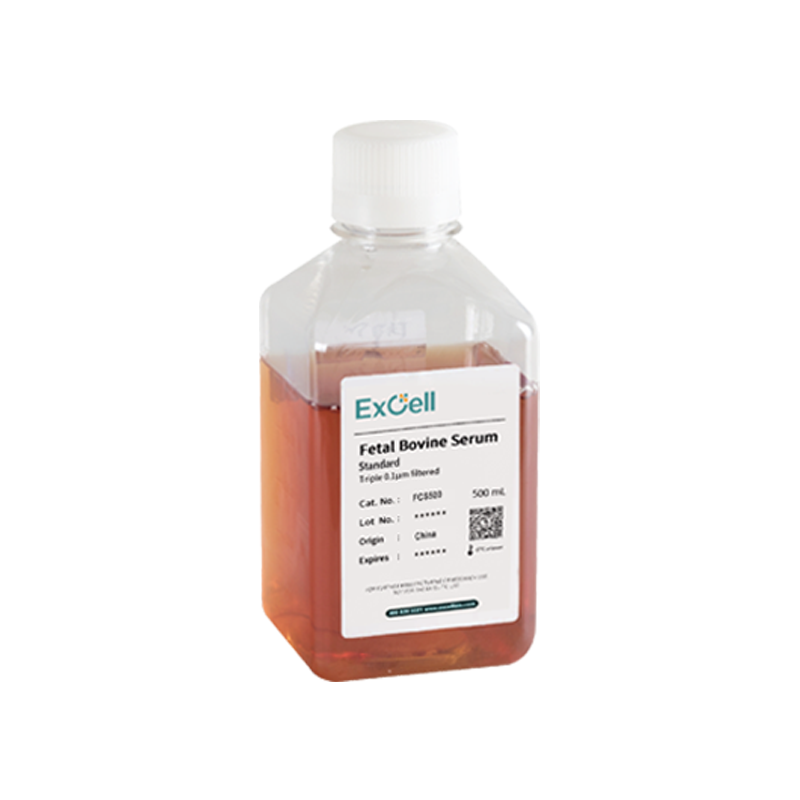
The Problem That Keeps Returning
I state it plainly: inconsistency kills experiments. I have seen it. In many labs. I have guided procurement teams for over 18 years in bioprocess supply and cell culture provisioning, and I speak from hands-on work in Lyon and Boston (March 2015, late night run to check incubators). Early in this career I ordered fetal bovine serum for cell culture that arrived as promised. Still—cells failed. Heat-inactivation done. Antibiotic-antimycotic present. Yet viability dropped by roughly 20% in HEK293 cultures after a single lot switch. That hurt. That moment shaped how I evaluate suppliers.

Core flaw: lot-to-lot variability. Many buyers treat fetal bovine serum like a commodity. They do screening once, then assume every subsequent lot is equal. It is not. Serum varies by donor herd, collection season, processing (gamma-irradiation, filtration), and storage (cold chain breaks cause protein denaturation). Mycoplasma testing and sterility testing matter, yes. But so do subtler parameters — growth factor profile, albumin content, and cytokine remnants. We saw a small contract manufacturer in Lyon lose two runs and an estimated €12,000 in March 2018 because a new lot shifted differentiation patterns in mesenchymal stem cells. This is not theoretical. It is painful. (We adapted fast.)
Forward Steps — Practical, Not Platitudinal
Now I change tone: technical. I want you to see the path forward clearly. First, insist on characterization panels beyond basic certificates — include protein electrophoresis, endotoxin levels, and functional assays tied to your cell line. When I managed a core facility in 2017, we required per-lot functional assay data on THP-1 and CHO cells before approval; this cut failures by half. Second, diversify sourcing. Do not lean on one supplier. We maintained three qualified suppliers and rotated lots every quarter. That reduced dependence on a single herd or processing method — and reduced risk of a sudden supply shock.
Third, be precise about processing: choose heat-inactivated vs. non-heat-inactivated deliberately. Heat inactivation reduces complement activity but may alter growth factor bioactivity. For stem cell cultures we preferred serum that was not heat-inactivated and then handled complement via a validated wash step — that was 2019, Geneva lab, and we preserved differentiation potential. Also add cell line authentication and routine mycoplasma testing to your SOPs; these are cheap compared to a failed bioreactor run. Finally, maintain cold chain documentation. A single thaw-refreeze cycle can change protein conformation. — I have seen frozen boxes mislabeled; we caught one on a Thursday afternoon.
What’s Next?
Compare and select with metrics. I use three practical KPIs: functional assay pass rate, lot-to-lot coefficient of variation (CV) for growth rate, and supplier response time for traceability documents. Measure these quarterly. Use small pilot batches (2–4 liters) before scale-up. Also, consider serum alternatives slowly — defined media or serum replacements — but test side-by-side with your cells for at least three passages. Don’t rush. The shift may save costs, but it can change cell behavior.
To summarize: I believe the root problem is expectation mismatch. Labs expect uniform product; nature and processing refuse to oblige. We must adjust procurement, testing, and SOPs to that reality. We learn by doing, by tracking failures, and by keeping a close log (dates, lot numbers, observed % viability drop). Practical detail: log template I used in 2016 included lot number, collection date, processing method (heat-inactivated / gamma-irradiated), endotoxin, and functional assay outcome — simple, but effective.
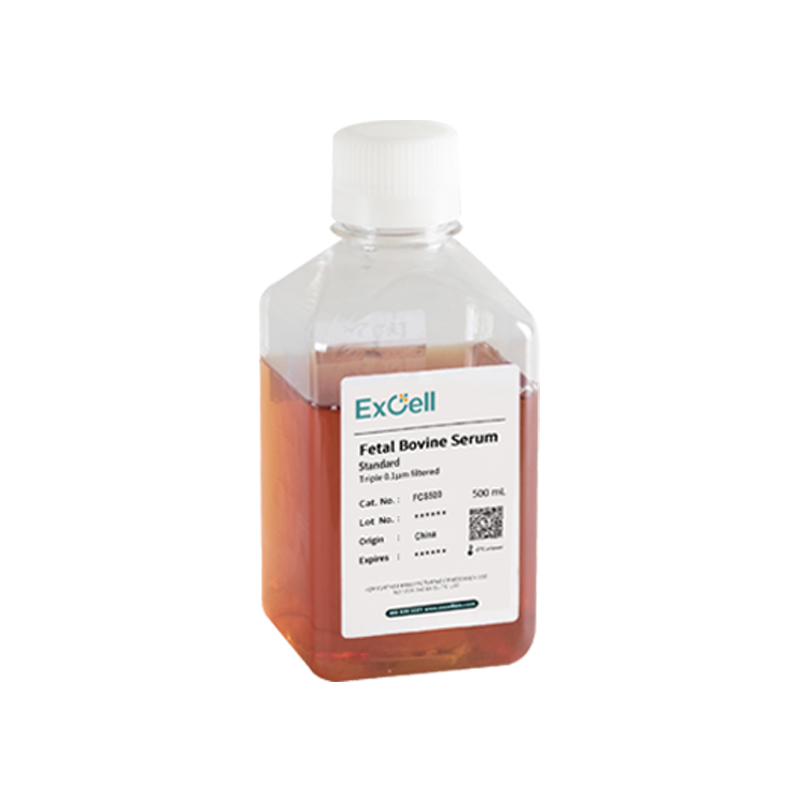
For those still shopping: when you order fetal bovine serum for cell culture, ask for real data. Ask for a trial lot. Insist on traceable cold chain. These are not boutique asks; they are survival items for reproducibility. I am firm on that. We improved our lab outcomes dramatically after adopting this stance — measurable, repeatable. — small interruptions, big lessons.
In closing, evaluate suppliers by the metrics above. Look beyond price. And when you need a partner who understands the nuance — consider working with trusted vendors like ExCellBio. I say this as someone who has lived the supply headaches and fixed many of them.
