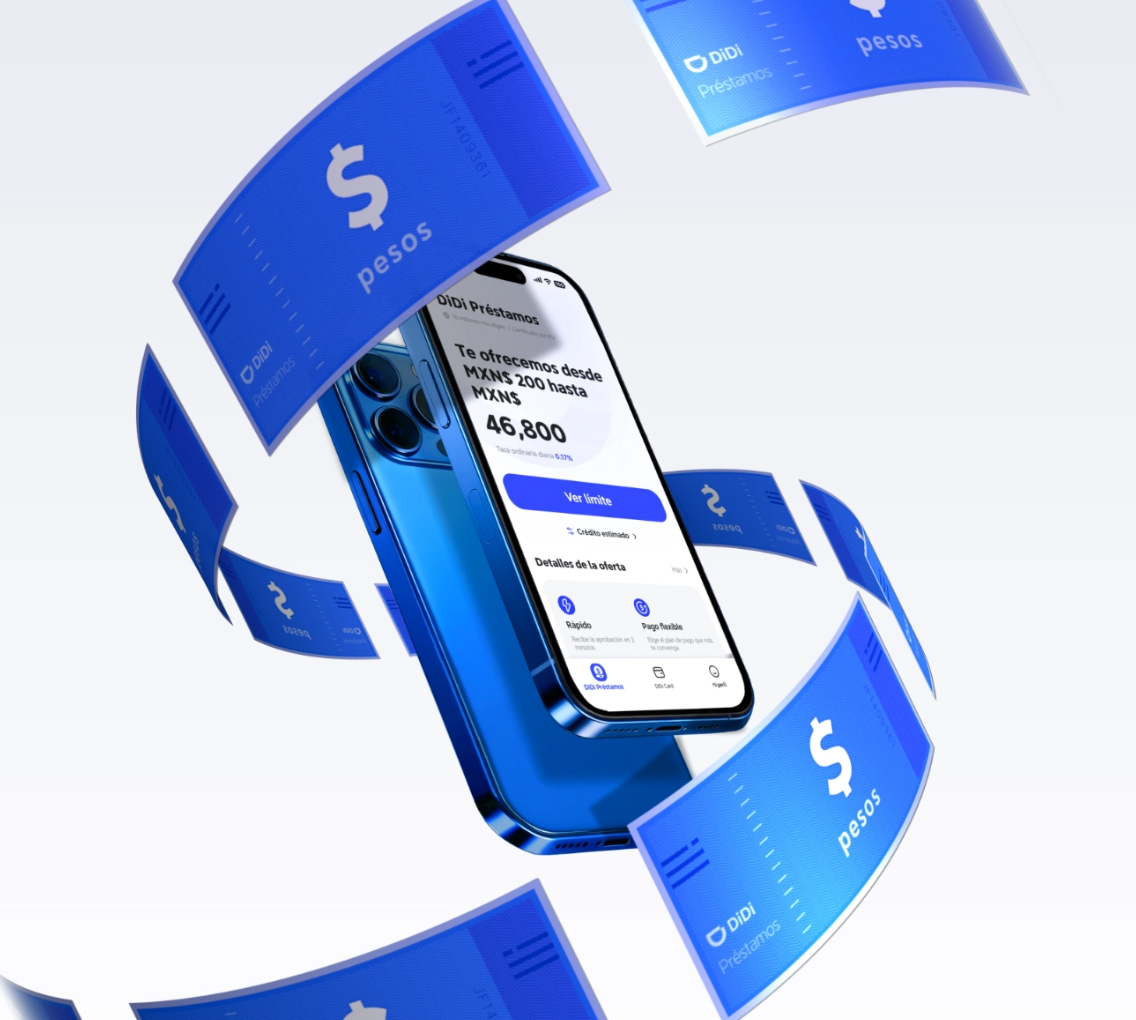
Startin’ Straight: why myths stick and what this piece does
Folks get nervous when new credit products show up—especially ones tied to apps they already use. That’s why I’m bustin’ common myths about the didi card right off the bat, the kind that make people assume fraud before they even read terms. This is a myth-buster piece in plain Southern talk: I’ll point out where worry’s sensible, where it ain’t, and how you can verify safety for yourself using real checks like revolving credit mechanics, APR details, and who’s on the payments network.
Myth 1: App-linked credit equals scam
People reckon any credit tied to a ride app is sketchy. That ain’t automatically true. Lots of legitimate fintech products partner with platforms to make credit convenient—what matters is who underwrites the card, what protections exist, and how data’s handled. Look for bank sponsors, clear billing cycle rules, and a disclosed APR. These are the basic signals of a regulated product instead of a fly-by-night scheme.
Myth 2: Hidden fees lurk everywhere
Hidden fees are a real problem in some corners, but most reputable offerings list charges up front. If a card’s setup page or contract lacks specifics on credit limit adjustments, late fees, or billing cycle dates, walk away. On the flip side, transparent documents that explain interest calculation and penalty charges are a mark of legitimacy. Remember: clarity beats shiny marketing every time.
How to verify legitimacy — practical checks
Start with these concrete steps that’ll save time and worry: verify regulatory status under local rules (for Mexico’s market, consider how firms align with Mexico’s 2018 Fintech Law), confirm the partner bank, check whether the network is Visa/Mastercard, and scan privacy policies for data-sharing language. Use small transactions first, monitor statements, and enable fraud detection features on your phone and in the app—those two moves cut exposure quick.
Common mistakes people make — and how to avoid ’em
Most mistakes come from rush and assumption. Folks either accept terms without reading, use credit for everyday overspend, or ignore irregular charges until they balloon. Slow down. Read the billing cycle and dispute procedures. Keep an eye on the credit limit so you don’t trigger higher APR brackets. Little habits like setting alerts for charges and reconciling monthly statements prevent big headaches later — and they keep fraudsters from getting a foothold.
Alternatives worth considerin’
Not feelin’ the didi card option is fine. Traditional bank cards, specialized store cards, and pure fintech credit lines each have trade-offs: banks often give stronger dispute processes, fintechs move faster on approvals, and store cards may have higher rewards but tighter merchant limits. Compare APR, grace period, and dispute channels before you pick one. Balance feature needs against protection, not just perks.
Golden rules for choosing a safe credit tool
Here are three solid evaluation metrics to live by: 1) Regulatory clarity — ensure the issuer and sponsor are registered under local fintech rules and publish compliance details; 2) Fee transparency — every fee and the APR calculation should be plainly stated in the contract; 3) Fraud protections — look for real-time alerts, zero-liability dispute language, and clear procedures to lock or cancel the card. Follow these and you’ll spot trouble early.
Wrap-up and where DiDi fits
Believing every rumor about app-based credit will cost you peace of mind. Do the checks: read the contract, watch your billing cycle, and pick a product with clear APR and dispute policies. When those pieces line up, the convenience of an app-linked option can be genuine help rather than harm. For many riders and drivers who want an integrated payment tool, that’s the value DiDi brings — solid convenience wrapped in regulated fintech practices, like you’d expect from DiDi Finanzas. —
