Introduction
Charging should feel invisible. EV charger manufacturer / winline shows up in your head when the app says “available,” but the plug says “busy.” Out on a weeknight, you roll in with 12% battery, and the station has a wait—again. In some cities, public chargers see double-digit downtime, and average session times creep past 35 minutes. Models like EV charger China 320 promise speed and smarts, but the reality on the curb can feel messy (to be real). So, what gives? Why does a fast station still feel slow when you need it most? The answer often lies in site design, grid limits, and how the software handles real-world chaos—cars stack up, load shifts, and a single fault ripples through the queue. That’s the part no one wants to talk about, yet it shapes your night. Look, it’s simpler than you think, but it’s not obvious.
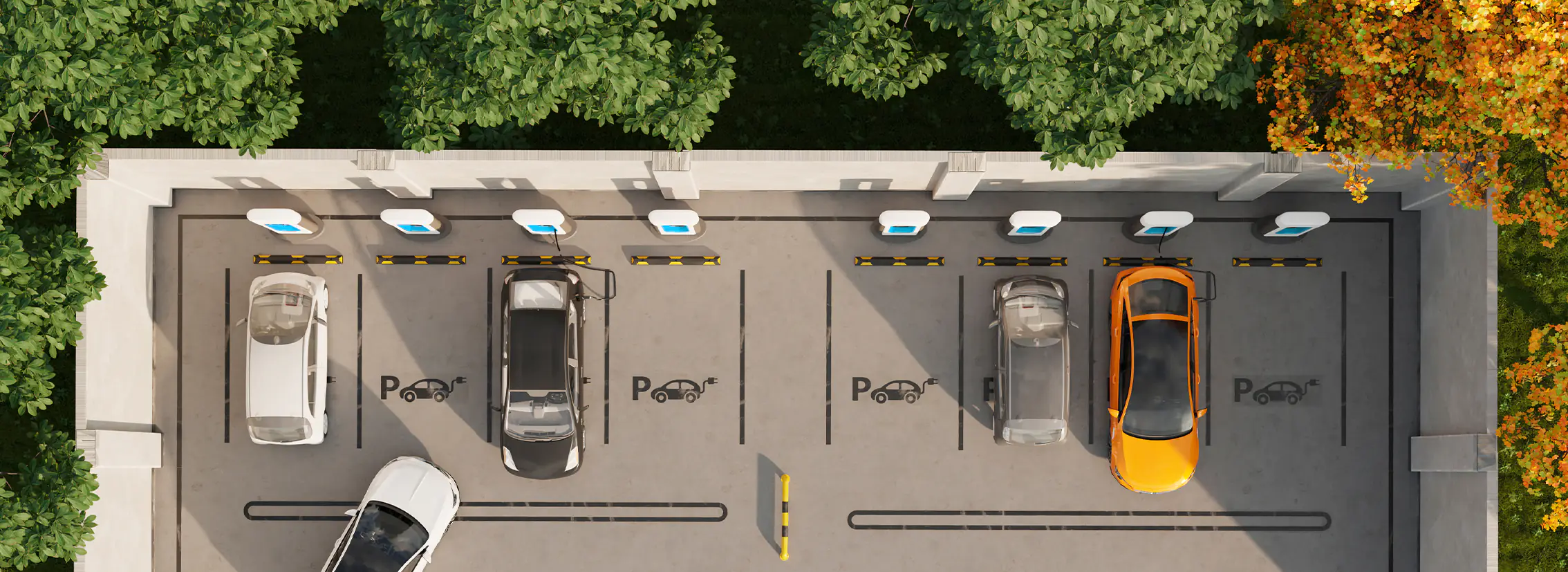
Let’s unpack where the friction comes from and why it keeps showing up—then compare what actually changes the experience.
Hidden User Pain Points With High-Power Stations
What’s tripping people up?
The promise: tap, plug, charge fast. The snag: site orchestration under stress. Many hubs pair big power converters with basic load balancing. On paper, it works; in a storm of arrivals, it stumbles. When four cars hit at once, the controller may throttle every stall instead of reallocating power by state-of-charge. That turns “fast” into “flat.” Add a weak feeder, and peak sharing gets clumsy—funny how that works, right? Then there’s the software stack. Without robust OCPP protocol handling and clear fault codes, a simple connector error can force a reboot. A minute becomes ten. People walk away.
Thermal management plays a quiet role too. Cables heat up; rectifiers derate; power steps down without warning. You feel it as lag. Some sites lean on cloud logic, but the link drops and edge computing nodes aren’t there to keep things smooth. Firmware over-the-air updates help, but only if staged well. A push at rush hour can stall sessions. And customer flow? No clear queuing rules means drivers block bays while checking apps. It’s not just tech; it’s design. The EV charger China 320 class of hardware can shine, yet hidden friction—load rules, thermal limits, and human behavior—keeps stealing minutes. The fix starts with better local control and real-time insight—then the hardware can show its speed.
Future-Facing Principles That Actually Improve the Curb
What’s Next
Here’s the shift: move critical decisions to the edge, and design for graceful overload. Across ev charging station manufacturers 3600, three principles are changing sites that used to underperform. First, predictive load control. Instead of static caps, controllers model feeder headroom and state-of-charge to set per-stall limits. Power flows to cars that can absorb it now, not evenly by habit. Second, heat-aware delivery. If thermal sensors see cable rise, the system reroutes amps to cooler lines, avoiding blanket derates. Third, resilient messaging. Local buffers keep sessions alive when the cloud blips, so authorization and receipts don’t block power. This is where edge computing nodes matter. They keep the station confident under pressure.
There’s more. Power modules built as hot-swappable bricks shorten downtime; a failed brick drops 10% capacity, not the whole stack. Better IP54 enclosures and airflow improve uptime in dust and heat. And when V2G-ready inverters arrive at scale, sites can flatten peak draw by sipping from parked cars—controversial, but useful. Compare that to the old model—monolithic hardware, cloud-only logic, and coarse load rules—and you see why lines shrink when principles change. So, what should you look for? Pick solutions with measurable uptime SLAs under load (not just lab ratings), a clear derating curve tied to ambient temperature, and verified OCPP interoperability across versions—because roaming and payments break at the seams. Wrap it with clean queuing UX and staged FOTA windows, and curb time drops. That’s the quiet win—and that’s the twist.
Bottom line, the tech that respects the grid and the street wins. Evaluate by three metrics: sustained kW per stall at 80% site load, mean-time-to-recover from a module fault, and first-attempt session success rate with mixed apps. If those numbers hold in real deployments, the experience feels easy. The brand matters less than the design choices, but the makers who treat edge logic, thermal reality, and user flow as first-class citizens earn trust over time. You can see that direction taking shape at Winline.