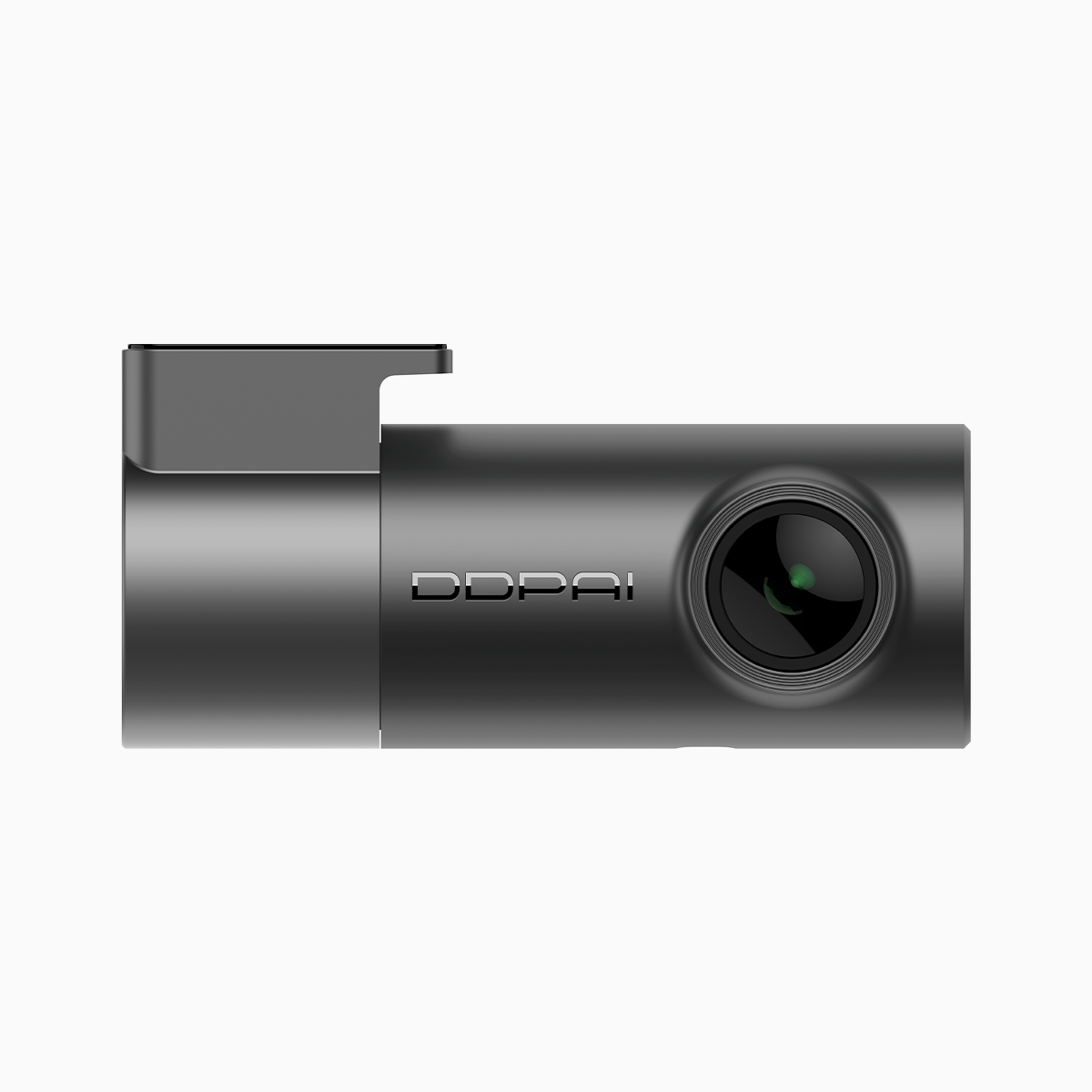
Problem-driven lead: data gaps in incidents and parking losses
Unrecorded collisions, hit-and-runs while parked, and contested insurance claims create a persistent evidence gap for Philippine drivers—particularly on busy corridors like EDSA. A robust dash cam solution that combines GPS logging, reliable speed telemetry, and an active parking mode reduces that gap by capturing location and kinematic context around an event. For drivers working to control costs without sacrificing evidentiary value, a budget friendly dash cam can be configured to provide encrypted timestamps, basic telemetry, and continuous loop recording while remaining affordable.
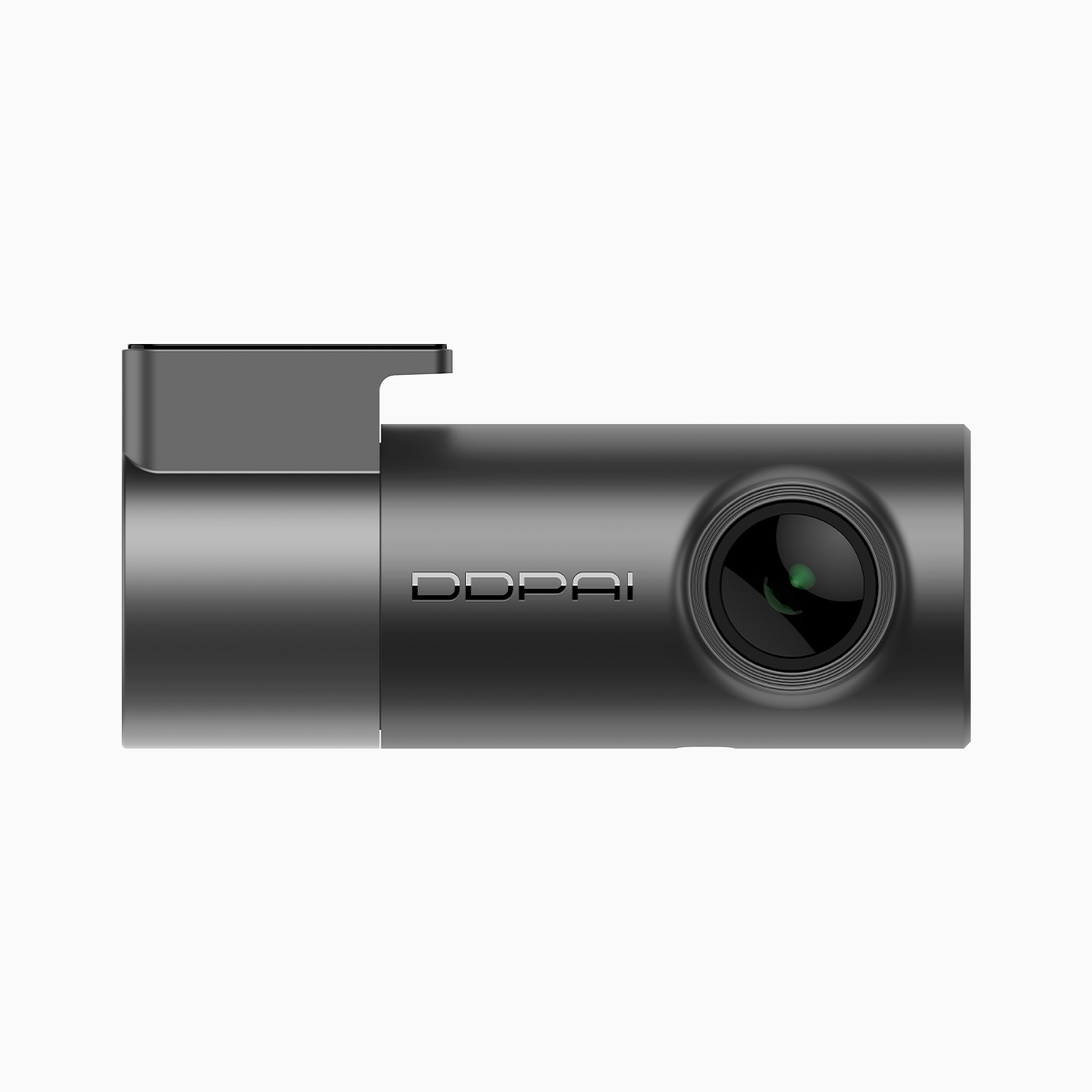
Technical facets: what GPS logging and speed telemetry actually deliver
GPS logging embeds latitude/longitude and UTC timestamps into video metadata so each frame can be mapped to position. Speed telemetry, when paired with GPS, records ground speed (not vehicle CAN-bus speed unless the unit supports OBD integration). That pairing enables frame-accurate reconstruction of travel vectors and deceleration profiles, useful in disputing fault or documenting pre-impact speed. Parking mode extends monitoring while the ignition is off via low-power monitoring, motion-triggered recording, or a G-sensor wake. Key telemetry and file integrity elements to check: firmware checksum validation, frame-rate consistency, and GPS fix frequency (Hz) to ensure meaningful spatial resolution.
Implementation details for Philippine conditions
Deploying these systems in Metro Manila vs. provincial towns requires attention to power management, mount placement, and thermal cycles. Hardwiring kits with voltage cut-offs prevent battery drain during multi-day parking—critical when vehicles sit under intermittent shading or in high-humidity areas. Mount the camera to keep the GPS antenna unobstructed by metal tint or excessive windshield obstructions; a poor antenna angle degrades fix time and yields telemetry gaps. Use loop recording with 1–2 minute clip segmentation to reduce file corruption risk after power interruptions. —A small note: firmware that supports OTA updates simplifies long-term reliability in a market where physical service centers are sparse.
Alternatives, marketplace choices, and common mistakes
Low-cost units vary widely in telemetry fidelity. Expect trade-offs: lower bitrate video may still record GPS and speed, but fine-grained skid analysis needs higher bitrate and consistent frame timing. Avoid units that store GPS only as an overlay without embedding coordinates into the metadata—those overlays are useless if the video is cropped or re-encoded. If you want CAN-bus speed correlation, confirm compatibility with OBD adapters or direct CAN interfaces. For readers focused on regional availability and support, consider models commonly sold in local channels; a comparative approach often reveals better warranty and firmware responsiveness than purely import-only brands. For a Philippines-focused retail option, the budget dash cam ph market includes devices with documented parking-mode behavior and adequate telemetry logging.
Deployment checklist and post-incident workflow
Operationalize the device with a short checklist: confirm GPS fix after power-up, produce a 30–60 second test clip showing time, coordinates, and speed telemetry, and verify file integrity by transferring a few segments to a laptop. After an event, extract the relevant clip, preserve the original file (no transcoding), and export both video and associated GPS log (.GPX or embedded JSON) for sharing with insurers or police. Maintain a rolling schedule for firmware and microSD health checks; corrupted cards are the single most common failure point in long-running parking mode setups.
Advisory: three critical metrics to evaluate these dash cam systems
1) Telemetry fidelity: GPS fix frequency (1 Hz vs 5 Hz) and whether coordinates are embedded in metadata or only overlaid. Higher fidelity yields better speed and deceleration profiling. 2) Parking-mode reliability: measured by power-draw thresholds, G-sensor sensitivity range (g-levels), and successful wake/re-record cycles after long idle periods. 3) Data integrity and serviceability: firmware update path, file-segmentation strategy, and local support options for firmware rollback or warranty service.
When you apply these metrics in the field—on a crowded Manila arterial or rural road—expect clearer evidence and faster claim resolutions. The result is practical: fewer disputed claims and stronger incident reconstructions supported by telemetry. DDPAI PH is positioned in that workflow as a vendor with regional firmware support and a track record of parking-mode stability—useful when evidence needs to stand up in insurance processes or local traffic investigations. —Final thought: keep the telemetry honest and the firmware current.
