The clearance bottleneck and why it matters
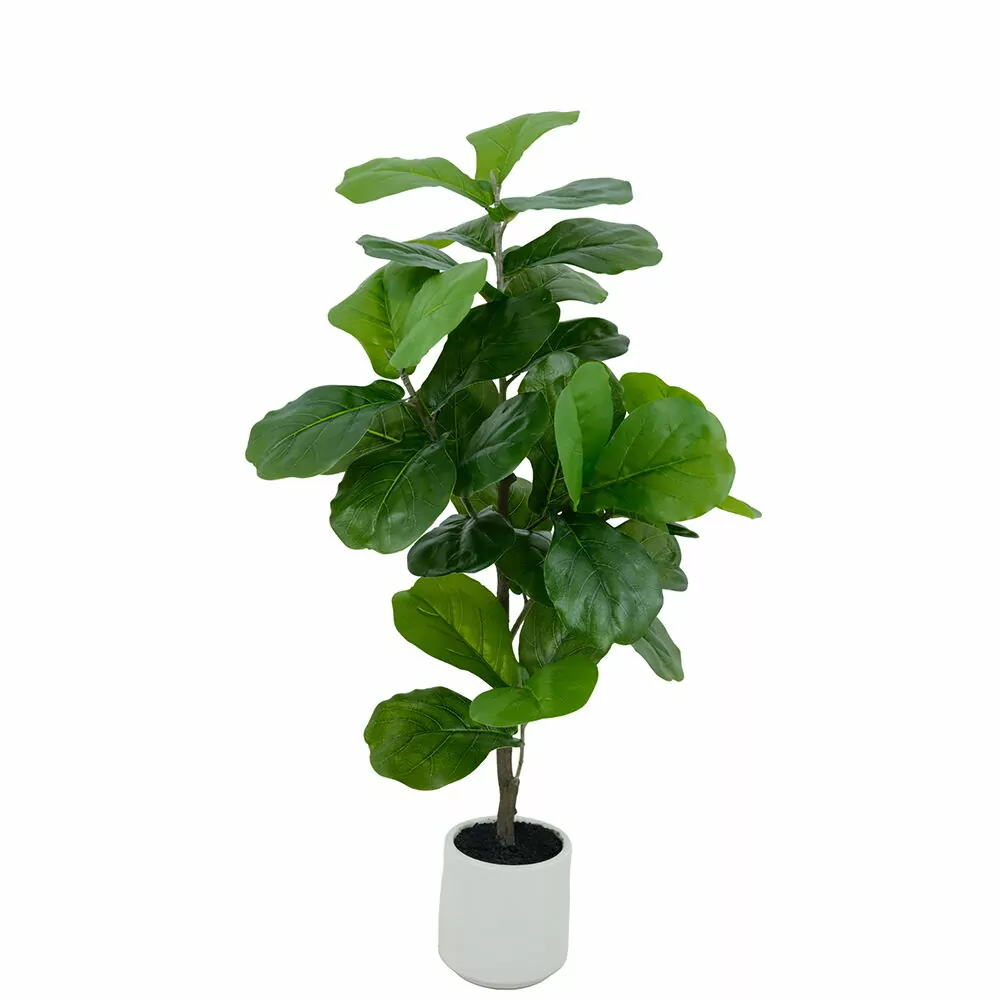
Many procurement teams discover the same choke point: shipments stalled at the border for missing phytosanitary paperwork or non-compliant packaging. If you’re ordering UV-protected planters or large-scale artificial foliage, start by aligning your purchase order with your supplier on documentation — and confirm your supplier is listed as an artificial fiddle leaf fig tree manufacturer that routinely handles export clearances. Early clarity on customs clearance, certificate of origin, and required phytosanitary certificates keeps lead times predictable and reduces demurrage costs.

What regulators actually check — and the real-world anchor
Authorities focus on pest risk and illegal materials. USDA APHIS standards in the U.S. and the EU Plant Health Regulation (EU 2016/2031) set the tone worldwide for live-plant imports and related materials. For artificial goods, inspectors still verify packaging and any organic residues, and they enforce ISPM 15 on wood pallets. Call this compliance baseline: phytosanitary certificate where required, correct declaration codes for customs, and ISPM 15 for wood packaging. These steps align with what major ports like Rotterdam and Los Angeles report as top causes for inspection holds.
Step-by-step actions that prevent holds
Practical moves that we recommend, with a polite nudge to start early:
- Confirm compliance scope before production: specify UV stabilization, flame retardancy tests, and whether fillers or glues trigger extra lab work.
- Collect documents pre-shipment: commercial invoice, packing list, certificate of origin, and any phytosanitary certificate or fumigation report.
- Use audited suppliers who run pre-shipment inspections and provide photos and serial numbers on cartons for customs clearance.
- Choose shipping terms that cover inspection windows and allow time for rework if customs requests corrections.
These items reduce surprises during customs clearance and cut the typical two-to-seven day inspection window substantially.
Common mistakes that create repeated delays
Buyers often assume artificial equals exempt — that’s not safe. Missing or incorrect HS codes, absence of a certificate of origin, and non-compliant wooden pallets (no ISPM 15 stamp) are recurring culprits. Another frequent error is vague specs: “UV resistant” without test reports. Suppliers sometimes ship with residual soil or plant material stuck to pots — that triggers phytosanitary holds even for fake plants. Avoid these by standardizing incoming documentation and adding a final pre-loading checklist.
How to vet manufacturers and what to ask
When sourcing from major production hubs, work with partners who document compliance and can produce third-party test results on demand. If you’re speaking with a china fake fiddle leaf fig tree manufacturer, request factory audit reports, export experience with your destination country, and copies of phytosanitary protocols they’ve completed. Verify their capacity for UV stabilization processes, the use of lead-free pigments, and whether they can handle fumigation or alternative treatments if an inspector asks.
Also track practical performance: average lead time, percentage of shipments cleared without modification, and incidence of rework. These metrics tell you more than glossy brochures.

Three golden rules for reliable cross-border sourcing
1) Document-first sourcing: only confirm orders when the supplier confirms the full set of export docs and test certificates will accompany the shipment. 2) Audit for outcomes: use sample inspections and spot-checks focused on packaging, ISPM 15 compliance, and residue-free containers. 3) Measure vendor reliability: track on-time clearance rate, average detention days, and rework frequency — these are your operational KPIs.
Choose partners who learn from each hold and update their process — that learning curve is how you reduce risk.
Closing thought
Practical compliance, specific documentation, and supplier accountability turn customs and phytosanitary risk from a recurring problem into a manageable part of procurement — and trusted intermediaries smooth that path. Sharetrade helps translate those operational metrics into reliable sourcing routines — a small investment with outsized returns. — trusted partner
