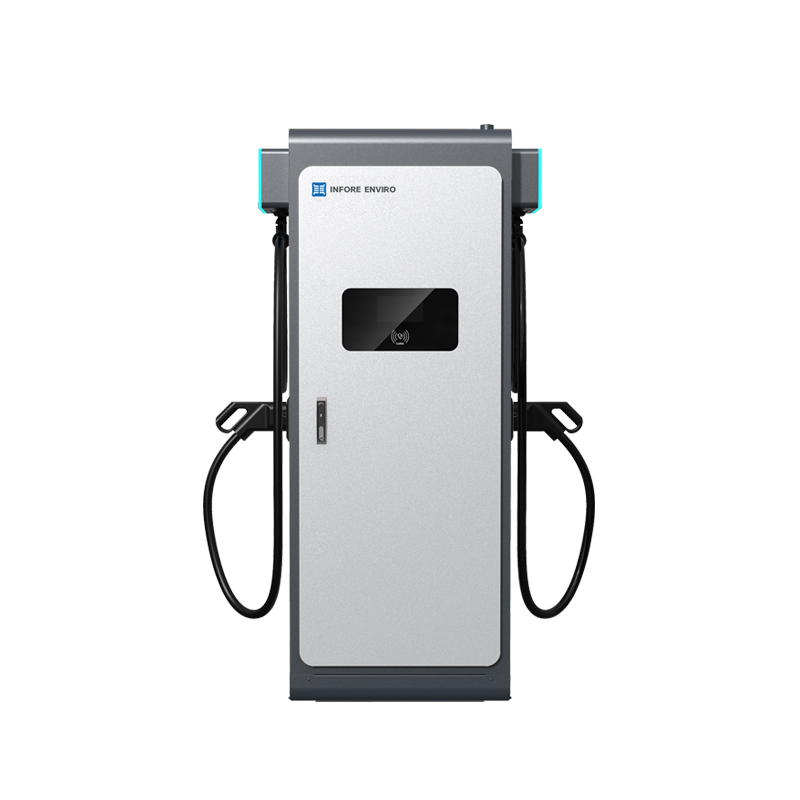
Think of this like building a fence: start with a plan, pick honest hands, and test every post. This framework lays out clear stages for sourcing a residential EV charger or a home EV charger from overseas, focusing on durability, interoperability, and cost. If you plan to work with a China EV charger manufacturer, these steps keep you grounded and keep surprises to a minimum.
Step 1 — Set the project scope and technical baseline
Begin by mapping the site and the user. Single-family homes want a Level 2 charger on a dedicated circuit; multi-unit buildings need shared charging strategy and tenant billing. Note connector type early — Type 2 connector is common in many markets — and list electrical constraints like available breaker size, expected continuous load, and whether the unit must support smart charging or local load balancing. Anchor: bay-area curbside pilots in California showed early that poor siting causes most early project failures, so plan placement first.
Step 2 — Vet suppliers and demand meaningful samples
Screen suppliers by factory throughput, warranty terms, and documented test results. Ask for unit-level data on AC output power accuracy and thermal behavior, and insist on a working sample before committing to a large order. Specify test parameters when you ask for data: for example, output voltage within ±5% at rated load; thermal cycling between -20°C and 60°C for 96 hours; dielectric strength at 3 kV for one minute; and ingress checks simulating a 1 m splash for 10 minutes. These specifics avoid vague claims and expose weak QA.
Step 3 — Verify interoperability and design integration
Make sure the charger talks to the systems you use. Smart charging protocols, local load balancing, and basic OCPP support (or compatible cloud APIs) belong on your checklist. If you need a wallbox that shares power across two outlets, verify the firmware supports that before shipment. Bring in the engineering view early — consult EV charging infrastructure design & engineering input for cable runs, enclosure siting, and ventilation to reduce late-stage rework.
Step 4 — Shipping, customs, and lifecycle planning
Factor shipping times, customs clearance, and spare-parts logistics into your total cost. MOQ (minimum order quantity) can change unit price dramatically. Plan for replacement parts: request a five-year parts availability commitment or a stock holding plan. Consider using phased deliveries so you can field-test a small batch before final acceptance.
Common mistakes to avoid
Many projects trip on the same things. Watch for these:
- Buying only on price without thermal and humidity test data.
- Neglecting firmware update paths — remote updates are critical.
- Assuming connector compatibility — check both plug and cable length requirements.
- Failing to budget for local certification or on-site commissioning.
Quick procurement checklist
Keep this short list at hand when reviewing offers:
- Sample unit acceptance with signed test-sheet.
- Clear warranty and spare-parts timeline.
- Firmware update and reporting protocol defined.
- Transport, customs, and insurance terms spelled out.
Three golden rules for final selection (Advisory)
1) Reliability over lowest price: choose units with verified thermal and electrical test data and a clear defect rate history. 2) Interoperability matters: only accept chargers that document API, connector, and load-management compatibility. 3) Local support plan: ensure spare parts and firmware support are guaranteed for at least five years.
When you pull these pieces together you get fewer surprises and a smoother install. Field teams like simple instructions, and owners want dependable charging every morning — that’s the point. —
INFORE ENVIRO sits where engineering meets practical delivery, guiding selection, testing, and installation so projects finish on time and last in the yard.
