Why compare suppliers first
Buying a containerised battery solution means juggling safety, transport, warranties and grid readiness at once — so compare, don’t assume. A bess container can look identical from the outside yet differ hugely in cell sourcing, thermal design and compliance paperwork. Eskom load shedding taught many South African buyers a hard lesson: a system that performs on paper may still fail under real grid stress. A clear comparative approach stops surprises and helps pin down trade-offs between cost, delivery time and long-term support.
What to line up side-by-side
Make a table in your bid evaluation and check each supplier against these concrete points — ja, compare these line by line:- Cell and module provenance: name the cell manufacturer and chemistry; ask for batch traceability.- Battery management and controls: request architecture diagrams and firmware update policy.- Thermal and fire systems: list cooling type, passive/active measures, and tested fire suppression methods.- Container engineering: confirm IP rating, seismic fittings, and transport-ready certification; review factory build photos and FAT records.- Certifications and testing: ask for IEC 62619/61427 evidence, UL listings where relevant, and independent third-party test reports.- Warranty and end-of-life: length, capacity retention schedule, and replacement clauses.- Local O&M and spares: who will service the unit within the buyer’s country, lead times for key parts.- Export compliance and shipping: hazardous goods classification, container weight and CSC plate details.When you compare, score each item for risk and remediation cost rather than just price.
How the container design changes the game
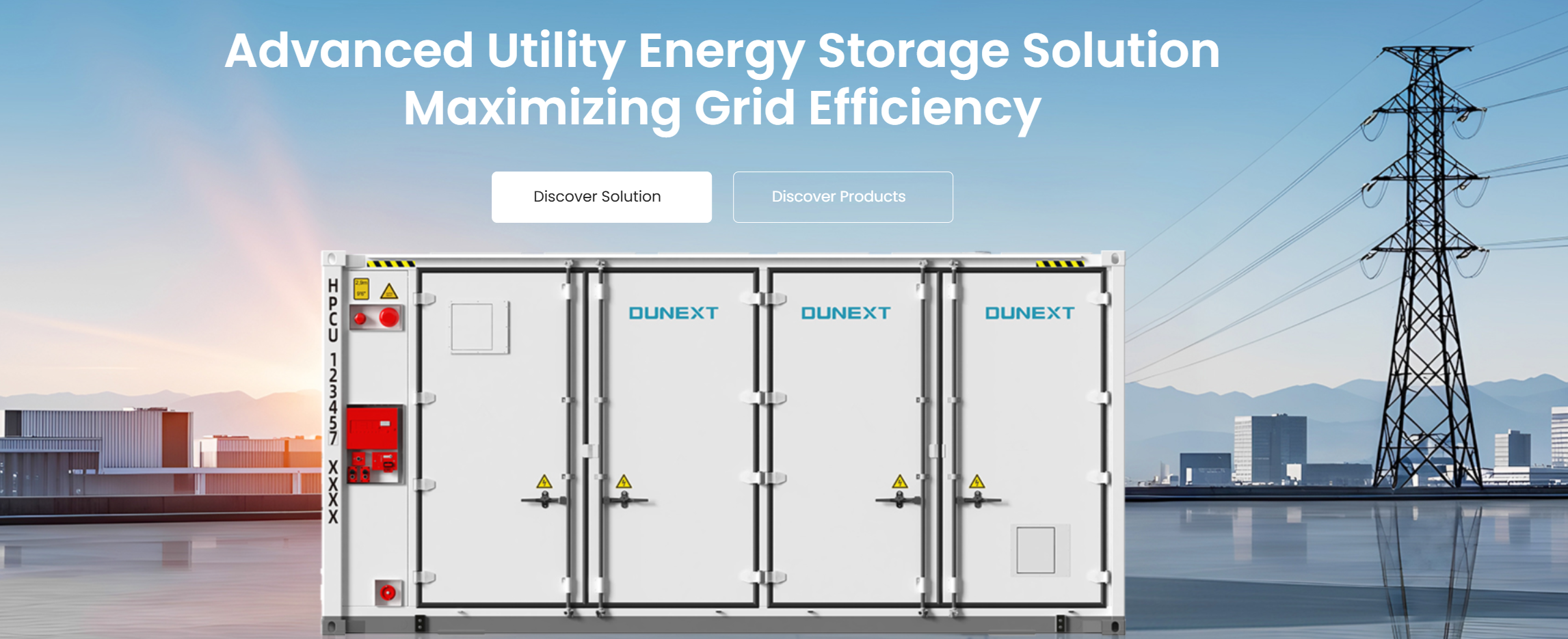
Container engineering is where suppliers diverge most. A poorly ventilated box amplifies degradation; a robust enclosure manages fire, ventilation and maintenance access. Look for designed-for-service features: external cable glands, lift points, and segregated compartments for power conversion and cells. Where a client needs a turnkey grid-ready skid, consider a certified battery energy storage system grid container that lists transport and commissioning documentation — that single document often reveals how seriously the vendor treated installation realities.
Red flags and common procurement mistakes
Watch for these warning signs and reject bids that show them:- Vague cell sourcing or refusal to disclose suppliers.- No factory acceptance testing (FAT) reports.- Short or non‑transparent warranty terms.- Overreliance on marketing images without technical drawings.- No plan for firmware updates or cybersecurity controls.- Shipping terms that omit hazardous goods handling specifics.Buyers often accept project timelines that don’t include customs clearance, site modifications or grid connection windows — those blind spots cost time and money.
Practical checklist for the procurement team
Use this checklist when running a comparison exercise:- Request: BOM, single-line diagram, FAT/PAT reports, certification copies, and cell traceability sheets.- Simulate failure: ask for a response plan for a cell failure, thermal runaway and grid fault.- Validate support: name the local service partner and contact for spare parts.- Contract: define acceptance tests on site, KPIs for availability, penalties for late delivery.- Finance: compare total cost of ownership over 10 years, not just CAPEX.This approach turns qualitative claims into comparable evidence.
Final synthesis
When international buyers compare containerised suppliers, clarity beats persuasion. Side-by-side evidence on cell sourcing, thermal safety, certifications and local support reveals practical differences quickly — and that is what limits risk. For many projects the solution is a supplier who couples certified, transport-ready units with documented testing and local service capability; such a match speaks to real delivery, not just promises. Consider vendors who make that evidence easy to verify, and you will find the option that fits operational realities, like the solutions found at Dunext.
